11 Hospitals

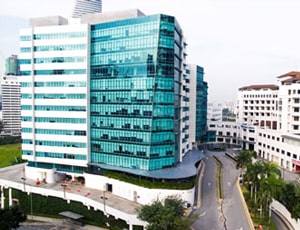
Prince Court Medical Centre
Kuala Lumpur, Malaysia
Number of Beds: 277
Year of Establishment: 2007
The Urology Department at Prince Court Medical Centre in Malaysia specialises in the urinary tract and male reproductive system. It addresses conditions like kidney stones, urinary tract infection (UTI), incontinence, prostate enlargement, bladder problems, male infertility, and kidney, bladder, or prostate cancer. Diagnostic procedures involved in urology include ultrasound, CT scans, cystoscopy, PSA testing, and urodynamic studies.
Treatment varies from medication and dietary changes to surgeries like TURP (for prostate enlargement), lithotripsy (for kidney stones), and minimally invasive robotic-assisted procedures. Pediatric urology deals with congenital defects, and andrology deals with male reproductive health. Urologists in Malaysia also deal with complicated conditions like erectile dysfunction, testicular cancer, and renal failure, requiring dialysis or transplant.
- Accreditation

Please Enquire
- Excellence in Healthcare Services in 2019 - Awarded by APAC Insider for Parkway Pantai's exceptional healthcare services and high patient satisfaction.
- Best Healthcare Brand in 2018 - Awarded by Influential Brands for Parkway Pantai's contribution to the healthcare industry and patient care.
- Best Hospital Group in 2017 - Awarded by HR Asia for Parkway Pantai's commitment to employee welfare and development, which ultimately benefits the patients.
- Best Private Healthcare Provider in Asia-Pacific in 2016 - Awarded by Global Health and Travel for Parkway Pantai's exceptional healthcare services and facilities.
- Best Healthcare Provider in Southeast Asia in 2015 - Awarded by MIMS for Parkway Pantai's exceptional medical services, innovative technology, and patient care
- Accreditation


Sunway Medical Centre
Kuala Lumpur, Malaysia
Number of Beds: 724
Year of Establishment: 1999
The Urology Centre at Sunway Medical Centre in Kuala Lumpur provides thorough treatment for various urological disorders that impact both men and women.
For conditions involving the kidneys, bladder, and prostate, such as kidney stones, overactive bladder, male infertility, benign prostatic hyperplasia, and urological malignancies, the centre offers state-of-the-art diagnostic and therapeutic alternatives. Shock wave lithotripsy (ESWL), percutaneous nephrolithotomy (PCNL), flexible ureteroscopy, and medical expulsive therapy are among the services offered. The centre integrates imaging, laboratory, and pathology services for comprehensive patient treatment. It has state-of-the-art outpatient urology clinics, an endoscopic suite, and on-site lithotripsy. A multidisciplinary urological cancer team customises treatment plans.
Sunway Medical Centre maintains excellent standards and is accredited by the Malaysian Society for Quality in Health (MSQH) and the Australian Council on Healthcare Standards (ACHS).
- Accreditation


The Urology Department at Parkcity Medical Centre provides advanced, comprehensive care for urinary and male reproductive health. Utilising advanced technologies such as the da Vinci Xi robotic-assisted surgical system and the Biobot fusion prostate biopsy system, the department ensures precise diagnosis and treatment of prostate, bladder, and kidney cancers. Services include endoscopic procedures, erectile dysfunction care, testosterone therapy, and preventive screenings. Parkcity Medical Centre offers one-stop diagnostic centers for conditions like hematuria and lower urinary tract symptoms. Led by pioneering urologists, the multidisciplinary team emphasises minimally invasive techniques, faster recovery, and high-quality, patient-centred care.
ParkCity Medical Centre in Kuala Lumpur has been JCI-accredited and holds MSQH accreditation. The centre maintains high standards of care and offers treatment for vascular and thoracic conditions, ensuring quality outcomes and patient satisfaction.
- Accreditation

Subang Jaya Medical Centre
Kuala Lumpur, Malaysia
Number of Beds: 442
Year of Establishment: 1985
The Urology Department at Subang Jaya Medical Centre (SJMC) provides advanced, comprehensive care for urinary and male reproductive health. Utilising cutting-edge technologies such as the da Vinci Xi robotic-assisted surgical system and the Biobot fusion prostate biopsy system, the department ensures precise diagnosis and treatment of prostate, bladder, and kidney cancers. Services include endoscopic procedures, erectile dysfunction care, testosterone therapy, and preventive screenings. SJMC offers one-stop diagnostic centers for conditions like hematuria and lower urinary tract symptoms. Led by pioneering urologists such as Dr. Bala Sundaram, the multidisciplinary team emphasises minimally invasive techniques, faster recovery, and high-quality, patient-centred care.
Subang Jaya Medical Centre (SJMC) in Kuala Lumpur is accredited by Joint Commission International (JCI) and ISO, reflecting its commitment to global healthcare standards.
- Accreditation
Please Enquire

The Urology Department at Ara Damansara Medical Centre in Malaysia specialises in the urinary tract and male reproductive system. It addresses conditions like kidney stones, urinary tract infection (UTI), incontinence, prostate enlargement, bladder problems, male infertility, and kidney, bladder, or prostate cancer. Diagnostic procedures involved in urology include ultrasound, CT scans, cystoscopy, PSA testing, and urodynamic studies.
Treatment varies from medication and dietary changes to surgeries like TURP (for prostate enlargement), lithotripsy (for kidney stones), and minimally invasive robotic-assisted procedures. Pediatric urology deals with congenital defects, and andrology deals with male reproductive health. Urologists in Malaysia also deal with complicated conditions like erectile dysfunction, testicular cancer, and renal failure, requiring dialysis or transplant.
- Accreditation

- Consumer Choice Award in 2021 - Awarded by the American Academy of Cosmetic Surgery (AACS) for the medical group's commitment to providing exceptional patient care in the field of cosmetic surgery.
- Best Aesthetic Clinic in Malaysia in 2020 - Awarded by the Global Health and Travel Awards for the medical group's excellence in providing aesthetic treatments.
- Outstanding Plastic Surgery Service Award in 2019 - Awarded by the Golden Globe Tigers for the medical group's outstanding service in the field of plastic surgery.
- Best Medical Spa in 2018 - Awarded by the Luxury Lifestyle Awards for the medical group's exceptional medical spa services and innovative treatments.
- Best Aesthetic Practice in 2017 - Awarded by the MyFaceMyBody Awards for the medical group's excellence in the field of aesthetic treatments and cosmetic surgery.
- Accreditation


Bukit Tinggi Medical Centre
Kuala Lumpur, Malaysia
Number of Beds: 171
Year of Establishment: 2016
The Urology Department at Bukit Tinggi Medical Centre provides advanced, comprehensive care for urinary and male reproductive health. Utilising cutting-edge technologies such as the da Vinci Xi robotic-assisted surgical system and the Biobot fusion prostate biopsy system, the department ensures precise diagnosis and treatment of prostate, bladder, and kidney cancers. Services include endoscopic procedures, erectile dysfunction care, testosterone therapy, and preventive screenings. Bukit Tinggi Medical Centre offers one-stop diagnostic centers for conditions like hematuria and lower urinary tract symptoms. Led by pioneering urologists, the multidisciplinary team emphasises minimally invasive techniques, faster recovery, and high-quality, patient-centred care.
Bukit Tinggi Medical Centre (BTMC) is accredited by the Malaysian Society for Quality in Health (MSQH), reflecting adherence to national healthcare standards.
- Accreditation

- Asia Pacific Enterprise Awards: Inspirational Brand Award (2023)
- Kuala Lumpur Mayor’s Tourism Awards: Platinum Award Recipient
- Global Health Asia Pacific Awards
- Specialty Hospital of the Year: Neurology
- Dental Service Provider of the Year in Asia Pacific
- Excellence Award: Geriatric and Gerontology Services
- Best Managed Hospital Award
- Malaysia Health and Wellness Brand Awards
- Eldercare Innovation Awards Finalist
- Health Tourism Recognition Award by Ministry of Health Malaysia
- Accreditation
Please Enquire

- Healthcare Asia: Employee Engagement of the Year (2019)
- Paediatric Service Provider of the Year in Asia-Pacific (2021)
- Obstetrics and Gynaecology Service Provider of the Year in Asia-Pacific (2024)
- Women and Children Specialist Provider of the Year in Asia-Pacific (2024)
- Advanced Paediatric Service Provider of the Year in Asia-Pacific (2024)
- Gold Class 1 Award for excellence and organisational performance.

Damansara Specialist Hospital 2 (DSH2), Kuala Lumpur
Kuala Lumpur, Malaysia
Number of Beds: 132
Ask your healthcare adviser for the best multiple options and choose the one that meets your expectations
Request for an Expert Opinion

Are you having trouble peeing or need help with your kidneys? Doctors in Malaysia are extremely gentle and use small tools to repair your body without causing significant cuts. They check you with cool machines that work fast, and the hospitals feel like fancy hotels with soft beds and friendly nurses who simply explain everything, like telling a bedtime story.
Once your treatment is complete, you can visit incredible places, such as jungles with playful monkeys or beaches with bright blue water. The food is tasty (and healthy too!), and most people speak English, so everything’s easy to understand. The best part? Your whole family can come along, making it feel like a happy vacation while you heal.
Why Choose a Urology Hospital in Malaysia?
Here are some simple reasons why you should go to a Urology hospital in Malaysia:
- Kind and Skilled Doctors: The urologists in Malaysia are super kind and well-trained. They know how to make you feel safe while using the best tools to gently fix problems.
- No Big Cuts, Just Tiny Tools: Many hospitals utilise intelligent machines and tiny cameras to diagnose and treat problems inside the body. It means less pain, faster healing, and no scary scars.
- Affordable Treatments: The cost of urology care in Malaysia is much lower than in countries like the US or UK, without compromising quality.
- Modern Technology: Hospitals utilise the latest medical technology and minimally invasive techniques to facilitate faster recovery and reduced pain.
- Comfortable Facilities: The hospitals provide clean, modern, and comfortable environments for relaxation and recovery.
- Quick Access to Treatment: You can get fast appointments and treatment, reducing long waiting times compared to other countries.
Common Urology Treatments
- Hypospadias Surgery
- Management Of Erectile Dysfunction
- Nephrectomy
- Reversal Of Vasectomy
- Vasectomy
- Vasectomy Reversal
- Inguinal Hernia Repair
- Kidney Stone Removal
- Eswl
- Penile Implant
International Patient Support for Urology in Malaysia
Leading Urology hospitals in Malaysia give special care to international patients, making the journey smooth and stress-free. These services include:.
- Airport Pickups and Drop-offs – Friendly drivers help you get to and from the hospital with ease and confidence.
- Language Help – Translators are available to ensure you and the doctors can communicate effectively.
- Personal Care Teams – A special team helps you at every step, from check-ups to recovery.
- Help with Visas and Travel – Hospitals offer assistance with visa paperwork and travel planning.
- Comfortable Stay Options – You can stay in a nice recovery room or a nearby hotel arranged by the hospital.
- Follow-up Support – Even after surgery, you can receive help online or through phone calls to monitor your healing progress.
- Fast-Track Checkups: Special, quick appointments to minimise your wait time.
- After-Care Friends: Doctors who call to check on you even after you go home.
Patient Stories
More Related Information
Some of the top rated docotrs are:
Top rated hospitals in other destinations are:
- Singapore
- Parkway East Hospital, Joo Chiat Pl
- Mount Elizabeth Hospital, Mount Elizabeth
- Farrer Park Hospital, Connexion
- Thomson Medical Center, Thomson Road
- Mount Elizabeth Novena Hospital, Novena
- Switzerland
- India
- Nanavati Hospital, Mumbai
- Aakash Healthcare Super Speciality Hospital, Delhi
- Neurogen Hospital, Mumbai
- Sarvodaya Hospital, Faridabad
- New Age Wockhardt Hospital, Mumbai
- Lithuania
- Morocco
FAQ's Related to Malaysia
These hospitals have state-of-the-art infrastructure and are well-equipped with advanced technologies. With a two-tier healthcare system in Malaysia, the hospitals are highly advanced because of extensive support from the Malaysian government through investment in medical infrastructure. At par with most of the well-developed countries, the hospitals in Malaysia have outperformed in the last ten years with the help of well-trained staff and excellent facilities. Malaysia has a large pool of quality hospitals, such as Beverly Wilshire Medical Group, Kuala Lumpur; Parkway Pantai, Kuala Lumpur; Gleneagles Hospital, Kuala Lumpur; and KPJ Ampang Puteri Specialist Hospital, Ampang.
MSQH, which promotes safety and quality in the healthcare services in Malaysia, has entered into partnership with Malaysia’s Ministry of Health, Association of Private Hospitals Malaysia and Malaysian Medical Association. There is a strict evaluation process for receiving healthcare accreditation in Malaysia and the interested hospitals have to meet all the requirements set by the accreditation bodies. Total 12 hospitals in Malaysia have JCI certification and each of them complies with the global standards. The hospitals in Malaysia follow the healthcare standards set by Malaysian Society for Quality in Health (MSQH) and JCI.
An emerging global giant in medical tourism, Malaysia has one of the most strong healthcare systems in the world supported by solid governmental participation in the market and public-private healthcare collaboration. The quality of healthcare in Malaysia is at par with most developed countries due to its cutting-edge technology, advanced infrastructure, and skilled medical professionals. Malaysia not only offers world-class, affordable treatment to medical tourists but also enhances their overall wellbeing through its food, cultural diversity, and heritage spots. With world-class hospitals, Malaysia has made great achievements in the field of IVF and cardiology.
Malaysia has a very stringent evaluation process for doctor’s certification and all medical professionals have to complete three years of service in the public sector to ensure they have achieved an extreme level of professionalism. Doctors in Malaysia have reported best results with many procedures, but their expertise in infertility treatments and cardiology has been globally recognized The doctors in Malaysia have deep expertise in their specialty area and most of them are trained internationally before they start work in their home country. The good quality of doctors in Malaysia is mainly attributed to their receiving education and training at reputed universities in the country and around the world.
eVISA can be availed through online platforms and is valid for 3 months. You need to provide the following things to obtain an eVisa:
- Medical certificate issued by the registered medical practitioner
- Two recent passport size photographs
- Valid passport
- Details of the person travelling
- Two blank pages on the passport
- Travelling and accommodation details
- Civil status certificate Medical tourists can apply for eVisa for traveling to Malaysia to get medical treatment and reside there for a period of 30 days under the Malaysian Healthcare Travellers Program (MHTP). Two attendants can accompany the patient to Malaysia under Medical Attendant Visa.
Malaysia has also reported great achievements in orthopedic surgeries and some of the popular procedures include hip replacement, shoulder replacement, knee replacement surgery. The popular procedures available in Malaysia are cosmetic surgery, vitiligo treatment, cancer care, dental work, discectomy, prostate surgery. Malaysia has reached a great height in cancer treatment through gene therapy which has many benefits, such as minimal adverse effects of current chemo-drugs, shorter treatment time, and reduced treatment costs. Fertility hospitals and clinics have reported high success rates in IFV due to a number of reasons like the use of the latest technology, trained experts, adherence to strict protocols and safety standards, and a holistic treatment approach.
Both Penang and Kuala Lumpur are the centres of attraction for medical tourists as they are serviced by airlines from around the world; have a number of reasonably-priced hotel rooms and an excellent public transportation system. With highly trained and qualified doctors and a large pool of multispecialty hospitals, Malaysia offers a great medical travel experience. These cities are most preferred by medical tourists because of many other reasons like a large number of hospitals, rich culture, scenic value, availability of translators, and safety of tourists. Some of the leading medical tourism destinations in Malaysia are Malacca, Kuala Lumpur, Kota Kinabalu, Ampang, and Penang.
Travellers arriving from countries with a risk of Yellow Fever may need an International Certificate of Vaccination. Before traveling to Malaysia, it is suggested to get pre-exposure vaccination against rabies. Also, children are more at more risk. Make sure you get vaccinated for Japanese encephalitis before you travel to Malaysia because this is a common disease there. A medical tourist traveling to Malaysia needs to get
- Hepatitis A,
- Covid
- Hepatitis B,
- Typhoid
- Yellow fever
- Japanese encephalitis
- Rabies
- Meningitis
- Polio
- Measles