Browse verified doctors or let our care team help you find the doctor best suited to your condition, treatment goals, and budget.

Primus Super Speciality Hospital offers advanced Kidney Transplant services using modern transplant techniques and internationally accepted treatment protocols. Established in 2001, the NABH accredited hospital is located in Delhi, India, with 250 beds, providing comprehensive transplant care for local and international patients.
A kidney transplant involves placing a healthy kidney from a suitable donor into a patient with advanced kidney failure. The donor may be living or deceased, depending on availability and eligibility. Before transplantation, the patient and donor undergo detailed medical, immunological, and compatibility assessments to determine suitability and support safe transplant planning.
Delhi, India
Fortis Flt. Lt. Rajan Dhall Hospital provides Kidney Transplant using contemporary transplant surgery techniques and evidence-based clinical care. Founded in 2006, the NABH accredited hospital is based in Delhi, India, with 162 beds and services for domestic and international patients.
During transplantation, a functioning donor kidney is implanted into the recipient and connected to the major blood vessels and bladder to restore kidney function. Depending on the circumstances, a living or deceased donor kidney may be used. Before treatment, specialists assess kidney function, cardiovascular health, infection status, and donor-recipient compatibility.
At Fortis Hospital, Mulund, patients can access Kidney Transplant supported by specialised transplant facilities and experienced nephrology and surgical teams. Established in 2002, the JCI, NABH accredited hospital is located in Mumbai, India, and has 315 beds.
Kidney transplantation is a treatment option for selected patients with end-stage kidney disease who meet the medical criteria for transplantation. The procedure involves surgically connecting the donor kidney to the recipient's blood vessels and urinary system. Comprehensive donor-recipient evaluation, including blood group and tissue compatibility testing, is performed before surgery.
Manipal Hospital, Hebbal offers specialised Kidney Transplant using modern surgical technology and established transplant protocols. Established in 1991, the NABL, NABH accredited hospital is situated in Bangalore, India, with 280 beds, serving local and international patients.
Kidney transplantation involves replacing the function of failed kidneys by implanting a healthy donor kidney. A transplant may use a living or deceased donor, depending on medical suitability and availability. Before surgery, the transplant team conducts extensive recipient and donor evaluations, including compatibility testing and assessment of overall health, to develop an appropriate transplant plan.
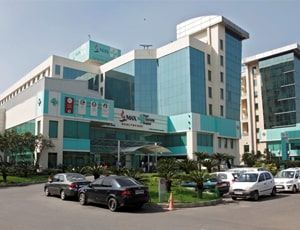
At Max Super Speciality Hospital, Saket, patients can access Kidney Transplant supported by specialised transplant facilities and experienced nephrology and surgical teams. Established in 2006, the JCI, NABH accredited hospital is located in Delhi, India, and has 539 beds.
Kidney transplantation is a treatment option for selected patients with end-stage kidney disease who meet the medical criteria for transplantation. The procedure involves surgically connecting the donor kidney to the recipient's blood vessels and urinary system. Comprehensive donor-recipient evaluation, including blood group and tissue compatibility testing, is performed before surgery.
Gurgaon, India
At Fortis Memorial Research Institute, patients can access Kidney Transplant supported by specialised transplant facilities and experienced nephrology and surgical teams. Established in 2013, the JCI, NABH, NABL accredited hospital is located in Gurgaon, India, and has 311 beds.
Kidney transplantation is a treatment option for selected patients with end-stage kidney disease who meet the medical criteria for transplantation. The procedure involves surgically connecting the donor kidney to the recipient's blood vessels and urinary system. Comprehensive donor-recipient evaluation, including blood group and tissue compatibility testing, is performed before surgery.
With advanced transplant infrastructure, VPS Rockland Hospital offers Kidney Transplant for eligible patients with advanced or end-stage kidney disease. Established in 2013, the NABH, NABL accredited hospital is located in Gurgaon, India, and has 345 beds.
Kidney transplantation can provide an alternative to long-term dialysis for suitable patients. The transplant team carefully evaluates both the recipient and potential donor through blood tests, imaging, tissue typing, and other medical assessments. After surgery, lifelong immunosuppressive medication and regular medical monitoring are generally required to help prevent rejection.
At Asian Institute of Medical Sciences, patients can access Kidney Transplant supported by specialised transplant facilities and experienced nephrology and surgical teams. Established in 2010, the NABL, NABH accredited hospital is located in Faridabad, India, and has 425 beds.
Kidney transplantation is a treatment option for selected patients with end-stage kidney disease who meet the medical criteria for transplantation. The procedure involves surgically connecting the donor kidney to the recipient's blood vessels and urinary system. Comprehensive donor-recipient evaluation, including blood group and tissue compatibility testing, is performed before surgery.
At Apollo Hospital International Limited, patients can access Kidney Transplant supported by specialised transplant facilities and experienced nephrology and surgical teams. Established in 2003, the NABH, JCI accredited hospital is located in Ahmedabad, India, and has 300 beds.
Kidney transplantation is a treatment option for selected patients with end-stage kidney disease who meet the medical criteria for transplantation. The procedure involves surgically connecting the donor kidney to the recipient's blood vessels and urinary system. Comprehensive donor-recipient evaluation, including blood group and tissue compatibility testing, is performed before surgery.
Manipal Hospital, Gurugram provides Kidney Transplant using contemporary transplant surgery techniques and evidence-based clinical care. Founded in 2008, the NABL, NABH accredited hospital is based in Gurgaon, India, with 380 beds and services for domestic and international patients.
During transplantation, a functioning donor kidney is implanted into the recipient and connected to the major blood vessels and bladder to restore kidney function. Depending on the circumstances, a living or deceased donor kidney may be used. Before treatment, specialists assess kidney function, cardiovascular health, infection status, and donor-recipient compatibility.
Metro Hospital offers specialised Kidney Transplant using modern surgical technology and established transplant protocols. Established in 1997, the NABL, NABH, ISO accredited hospital is situated in Noida, India, with 289 beds, serving local and international patients.
Kidney transplantation involves replacing the function of failed kidneys by implanting a healthy donor kidney. A transplant may use a living or deceased donor, depending on medical suitability and availability. Before surgery, the transplant team conducts extensive recipient and donor evaluations, including compatibility testing and assessment of overall health, to develop an appropriate transplant plan.
With advanced transplant infrastructure, Sanar International Hospital offers Kidney Transplant for eligible patients with advanced or end-stage kidney disease. Established in 2018, the NABH, JCI, AACI accredited hospital is located in Gurugram, India, and has 150 beds.
Kidney transplantation can provide an alternative to long-term dialysis for suitable patients. The transplant team carefully evaluates both the recipient and potential donor through blood tests, imaging, tissue typing, and other medical assessments. After surgery, lifelong immunosuppressive medication and regular medical monitoring are generally required to help prevent rejection.
Chennai, India
The Madras Institute of Orthopedics and Traumatology offers advanced Kidney Transplant services using modern transplant techniques and internationally accepted treatment protocols. Established in 1999, the JCI, NABH accredited hospital is located in Chennai, India, with 1000 beds, providing comprehensive transplant care for local and international patients.
A kidney transplant involves placing a healthy kidney from a suitable donor into a patient with advanced kidney failure. The donor may be living or deceased, depending on availability and eligibility. Before transplantation, the patient and donor undergo detailed medical, immunological, and compatibility assessments to determine suitability and support safe transplant planning.
VPS Lakeshore Hospital provides Kidney Transplant using contemporary transplant surgery techniques and evidence-based clinical care. Founded in 2003, the NABH, ISO accredited hospital is based in Kochi, India, with 350 beds and services for domestic and international patients.
During transplantation, a functioning donor kidney is implanted into the recipient and connected to the major blood vessels and bladder to restore kidney function. Depending on the circumstances, a living or deceased donor kidney may be used. Before treatment, specialists assess kidney function, cardiovascular health, infection status, and donor-recipient compatibility.
With advanced transplant infrastructure, The Medical Park offers Kidney Transplant for eligible patients with advanced or end-stage kidney disease. Established in 1987, the accredited hospital is located in Chennai, India, and has 300 beds.
Kidney transplantation can provide an alternative to long-term dialysis for suitable patients. The transplant team carefully evaluates both the recipient and potential donor through blood tests, imaging, tissue typing, and other medical assessments. After surgery, lifelong immunosuppressive medication and regular medical monitoring are generally required to help prevent rejection.

A 72-year-old patient, Horst Kruessmann from Germany, underwent successful renal transplant surgery in India.

This is the journey of Kisagero Rhobi and how MediGence helped him to undergo Kidney Transplantation in India. Relieve his journey from the eyes of…
| Speciality | Transplants |
| Procedure | Kidney Transplant |
| Success Rate | 90-95% at 1 year, 75-85% at 5 years |
| Recovery Time | 6-8 weeks |
| Treatment Time | 3-4 hours |
| Chances of Recurrence | Varies by condition by patient |
Several Kidney Transplant hospitals in India use state-of-the-art medical technology. These facilities use modern imaging tools, surgical instruments, and transplant machines for pre-operative evaluations, surgery, and post-operative care.
The top hospitals that provide Kidney Transplants in India have the following features:
The success rate of kidney transplants in India is generally relatively high. Studies show that the success rate for a kidney transplant from a living donor is between 90% and 95%. For dead donor transplants, the success percentage is a little lower but still reasonably high, ranging between 80% and 90%.
You can explore the list of trustworthy, accredited hospitals in India that provide Kidney Transplants on the MediGence platform. It also shows the profiles of nephrologists by their experience, success rates, and reviews to help you find the best ones to connect with. This results in a seamless and informed journey to find the most personalised medical solutions for treatment.
Few hospitals in India offer Kidney Transplants:
The cost of a Kidney Transplant in India typically ranges from (USD 11000 - 15000), depending on the hospital, location, and the complexity of the condition.
Many hospitals in India offering Kidney Transplants specialise in treating international patients. They arrange travel and accommodation and plan treatment. Even Top-Notch Hospitals like Artemis, Fortis, and Medanta provide excellent treatment and care for their global patients.
There are some of the risks associated with transplant such as:
Recovery from a kidney transplant in India typically takes 6 to 12 weeks. The patient is usually hospitalised and monitored for 7-10 days after surgery, and the lethargy and discomfort last at least several weeks. Light activities can generally be resumed after 6-8 weeks, and full recovery takes 3 to 6 months, depending on individual variables and difficulties.
You can consult with nephrologists before travelling to India for a Kidney Transplant through the MediGence platform. MediGence offers teleconsultations with top nephrologists, allowing you to discuss your medical condition, treatment options, and expert advice.
In India, post-operative care for kidney transplant patients involves immunosuppressive medications to prevent organ rejection, regular testing of kidney function, and infection control measures because of the suppressed immune system. The patient should follow a specific diet, avoid heavy lifting, and gradually return to moderate activity.
India is one of the most sought-after destinations for Kidney Transplants due to its advanced healthcare facilities, well-qualified doctors, and cost-effective treatment. The country has world-class medical technology and internationally accredited hospitals. MediGence ensures a hassle-free experience with personalised assistance from selecting the hospital, travel, and post-treatment care.
MediGence will contact you to arrange an appointment for a Kidney Transplant in India. Our case manager will connect you with the top hospitals, schedule consultations with the specialists, and guide you throughout the process, including travel and treatment planning.
A kidney transplant usually takes 3 to 4 weeks in India. This includes pre-surgical assessments, surgery, and the initial hospital recovery stage. After discharge, you must stay in India for follow-up assessments to ensure proper healing, check your kidney function, and modify the medications prescribed.
During surgery, the surgeon makes an incision on the bottom part of one side of the abdominal cavity to insert the new kidney. They are left in place unless the kidneys cause complications like hypertension, stones, pain, or infection.
The new kidney's blood vessels attach to those in the lower abdomen immediately above one of your legs.
The ureter, the tube that connects the kidney to the bladder, is attached to the bladder of the new kidney.
MediGence will assist you in preparing for a Kidney Transplant in India by providing end-to-end assistance for a hassle-free experience. We connect you with the best hospitals and experienced nephrologists for an initial consultation, make necessary diagnostic tests, and provide a treatment plan tailored to your needs.
Our Case Manager will help you coordinate travel, visas, and accommodation and provide personalised support during your stay. MediGence offers the best and safest care in state-of-the-art medical facilities.

For a Kuwaiti family facing end-stage kidney disease, the questions are always the same: Where can we find the best surgeon? How much will it really cost? And how do we know the hospital is trustworthy?