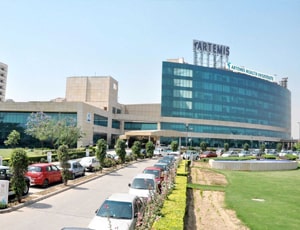
Kuala Lumpur, Malaysia
Number of Beds: 277
Year of Establishment: 2007
Medical Tourism Hospital of the Year 2024
Clinical Service Initiative of the Year 2024
Best in Community Involvement of the Year 2023
Brand of the Year in Healthcare of the Year 2023
Orthopaedic Service Provider of the Year 2023
Clinical Service Initiative of the Year 2023
Medical Tourism Hospital of the Year of the Year 2023
Top Children’s Hospital of the Year 2022
MRO Service Star of the Year 2022


Awarded by: Confederation of Indian Industry (CII)
Awarded by: Quality Council of India, in association with the Ministry of Health & Family Welfare
Awarded by: Federation of Indian Chambers of Commerce & Industry (FICCI)
Awarded by: Indian Excellence Awards
Awarded by: World Health Organization (WHO)

Kuala Lumpur, Malaysia
Number of Beds: 724
Year of Establishment: 1999
Frost & Sullivan: 2024 Malaysian Hospital Market Leadership Award
College of American Pathologists (CAP) Accreditation
Healthcare Asia Awards 2024: Hospital of the Year (Malaysia)
Healthcare Asia Awards 2024: Health Promotion Initiative of the Year
Reader’s Digest Trusted Brand 2024
Newsweek World’s Best Hospitals 2024
World Stroke Organisation (WSO) Angels Awards 2023 - Gold Award (Q4)
World Stroke Organisation (WSO) Angels Awards 2023 - Gold Award (Q3)

Istanbul, Turkey
Number of Beds: 441
Year of Establishment: 2022


2023, Best Specialized Hospital Asia Pacific – Endocrinology
2023, Best Specialized Hospital Asia Pacific – Cardiology
2022, GlobalHealth Asia Pacific Child Development and Paediatric Service Provider of the Year in Asia Pacific
2022, Frost & Sullivan – Malaysia Emerging Hospital Company of the year award
2022, Malaysian Healthcare Tourism Corporation (MHTC) Elite member (Jan 2022 - Dec 2022)
2022, Malaysian Society for Quality in Health (MSQH) - (2020-2024)
2019, Healthcare Infection Control Management Resources (HICMR)
2018, The Brand Laureate Best Brand – Brand leadership Award (2018-2019)


Kuala Lumpur, Malaysia
Number of Beds: 442
Year of Establishment: 1985
Healthcare Asia Awards 2024, Subang Jaya Medical Centre wins ESG Program of the Year
Frost & Sullivan, Subang Jaya Medical Centre wins Best Practices Award, Malaysian Best Hospital Company of the Year
GlobalHealth Asia-Pacific Awards, Subang Jaya Medical Centre wins Hospital of the Year in Asia-Pacific
GlobalHealth Asia-Pacific Awards, Subang Jaya Medical Centre wins Advanced Genetic Centre Provider of the Year in Asia-Pacific
GlobalHealth Asia-Pacific Awards, Subang Jaya Medical Centre wins Diabetes Service Provider of the Year in Asia-Pacific
GlobalHealth Asia-Pacific Awards, Subang Jaya Medical Centre wins Multi-Disciplinary Oncology Service Provider of the Year in Asia-Pacific
GlobalHealth Asia-Pacific Awards, Subang Jaya Medical Centre wins CSR Service of the Year in Asia-Pacific
GlobalHealth MedTech Awards, Subang Jaya Medical Centre wins the Excellence in Digital Health Innovation of the Year


Ask your healthcare adviser for the best multiple options and choose the one that meets your expectations

| Speciality | Orthopedics |
| Procedure | Bow Leg Correction |
| Success Rate | 85-95% |
| Recovery Time | 6-12 months |
| Treatment Time | 1-2 hours |
| Chances of Recurrence | Low |
Bow Leg Correction, also known as osteotomy, is a surgical procedure aimed at straightening the legs in individuals suffering from bowed legs (also known as varus deformity). During the procedure, the surgeon makes small cuts in the bones of the lower leg, including the tibia or femur, and then realigns them into a more normal position.
Bow leg correction is a common procedure used to treat medical conditions like Blount's disease (a growth disorder that causes the inner part of the shinbone to slow down while the outer part continues to grow, leading to bowing of the legs), Rickets (caused by vitamin D deficiency, leading to weak and bowed bones), and Osteomalacia (Softening of the bones due to vitamin D deficiency or other factors).
The recovery process after Bow Leg Correction typically entails wearing a cast or brace to support the legs as they heal. Patients may need to use crutches or a walker for a few weeks to avoid putting weight on the healing bones. Physical therapy is frequently recommended to help regain leg strength and range of motion. The full recovery period varies depending on the severity of the bowing and the individual's healing process, but most patients can resume normal activities within a few months of surgery. Follow-up visits with the surgeon are required to monitor the healing process and ensure a successful outcome.

There's nothing quite as empowering as walking with confidence. Yet for many people living with bow legs (genu varum) or knock knees (genu valgum), that simple act can become a source of discomfort, insecurity, and even pain. These disorders frequently...