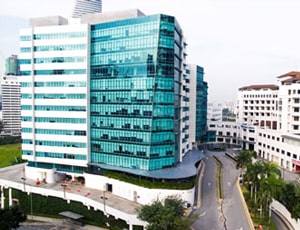
Kuala Lumpur, Malaysia
Number of Beds: 277
Year of Establishment: 2007
Medical Tourism Hospital of the Year 2024
Clinical Service Initiative of the Year 2024
Best in Community Involvement of the Year 2023
Brand of the Year in Healthcare of the Year 2023
Orthopaedic Service Provider of the Year 2023
Clinical Service Initiative of the Year 2023
Medical Tourism Hospital of the Year of the Year 2023
Top Children’s Hospital of the Year 2022
MRO Service Star of the Year 2022

Kuala Lumpur, Malaysia
Number of Beds: 724
Year of Establishment: 1999
Frost & Sullivan: 2024 Malaysian Hospital Market Leadership Award
College of American Pathologists (CAP) Accreditation
Healthcare Asia Awards 2024: Hospital of the Year (Malaysia)
Healthcare Asia Awards 2024: Health Promotion Initiative of the Year
Reader’s Digest Trusted Brand 2024
Newsweek World’s Best Hospitals 2024
World Stroke Organisation (WSO) Angels Awards 2023 - Gold Award (Q4)
World Stroke Organisation (WSO) Angels Awards 2023 - Gold Award (Q3)

2023, Best Specialized Hospital Asia Pacific – Endocrinology
2023, Best Specialized Hospital Asia Pacific – Cardiology
2022, GlobalHealth Asia Pacific Child Development and Paediatric Service Provider of the Year in Asia Pacific
2022, Frost & Sullivan – Malaysia Emerging Hospital Company of the year award
2022, Malaysian Healthcare Tourism Corporation (MHTC) Elite member (Jan 2022 - Dec 2022)
2022, Malaysian Society for Quality in Health (MSQH) - (2020-2024)
2019, Healthcare Infection Control Management Resources (HICMR)
2018, The Brand Laureate Best Brand – Brand leadership Award (2018-2019)

Kuala Lumpur, Malaysia
Number of Beds: 442
Year of Establishment: 1985
Healthcare Asia Awards 2024, Subang Jaya Medical Centre wins ESG Program of the Year
Frost & Sullivan, Subang Jaya Medical Centre wins Best Practices Award, Malaysian Best Hospital Company of the Year
GlobalHealth Asia-Pacific Awards, Subang Jaya Medical Centre wins Hospital of the Year in Asia-Pacific
GlobalHealth Asia-Pacific Awards, Subang Jaya Medical Centre wins Advanced Genetic Centre Provider of the Year in Asia-Pacific
GlobalHealth Asia-Pacific Awards, Subang Jaya Medical Centre wins Diabetes Service Provider of the Year in Asia-Pacific
GlobalHealth Asia-Pacific Awards, Subang Jaya Medical Centre wins Multi-Disciplinary Oncology Service Provider of the Year in Asia-Pacific
GlobalHealth Asia-Pacific Awards, Subang Jaya Medical Centre wins CSR Service of the Year in Asia-Pacific
GlobalHealth MedTech Awards, Subang Jaya Medical Centre wins the Excellence in Digital Health Innovation of the Year

Global Health Asia Pacific Awards 2023, Sports Rehabilitation and Physiotherapy Service Provider Of The Year In Asia Pacific
Newsweek Best Specialized Hospital APAC 2023, Paediatrics
Healthcare Asia Awards 2023, Vaccination Delivery of the Year - Malaysia
Malaysian Healthcare & Wellness Excellence Award 2023

Kuala Lumpur, Malaysia
Number of Beds: 171
Year of Establishment: 2016
Ask your healthcare adviser for the best multiple options and choose the one that meets your expectations

| Speciality | Ophthalmology |
| Procedure | Macular Degeneration Surgery |
| Success Rate | Varies by condition |
| Recovery Time | Several weeks to several months |
| Treatment Time | 2-3 hours |
| Chances of Recurrence | Varies by condition |
Macular degeneration surgery is also known as macular translocation or macular hole repair. The surgery aims to restore or improve central vision by repositioning the macula, the central part of the retina responsible for sharp vision. In macular translocation, the surgeon detaches the macula from the underlying layers of the eye and repositions it to a healthier area. This relocation can be done using various techniques, such as sutures or retinal tacks. By moving the macula away from the damaged area, the surgery can potentially improve vision and reduce the impact of AMD on central vision.
The surgery is performed to treat certain forms of age-related macular degeneration (AMD). The surgery aims to treat specific complications associated with AMD, such as macular holes or areas of damage in the macula.
After macular degeneration surgery, patients can expect a period of recovery to allow the eye to heal. The recovery process typically involves some discomfort, redness, and sensitivity in the treated eye. Vision may be blurry initially, but it improves gradually over time. Patients are advised to rest and avoid strenuous activities for a few weeks. They may need to use eye drops as prescribed to prevent infection and reduce inflammation. Regular follow-up visits with the ophthalmologist are recommended. Overall, the recovery may take 3-4 weeks.
There are several factors for ranking the hospitals on the basis of the procedure. To rank these hospitals in Malaysia for Macular Degeneration Surgery, take the following aspects into account- Popularity for the procedure, Infrastructure, Availability of the Procedure, Experienced doctors, Technology used, Cost, Facilities provided, Success Rate
Your health is a top priority for MediGence, and we make sure you get it effortlessly. We make sure that your healthcare journey should be easy and hassle-free while receiving treatment overseas. Just a few of our unmatched caregiving services & benefits are Accommodation or hotel stays, Airport transfers, Care Packages for Recuperation, 24/7 help, Online Consultation, Dedicated Case Manager, and Customized Treatment Packages with an ensured 30% savings. We also provide several additional advantages to help you receive first-rate medical care.
Yes, you can avail a video consultation with the specialist before travelling to Malaysia. When our patient advisors connect with you regarding your query, you can place your request of having an online consultation with the specialist. They will verify the doctor's consultation availability. Once confirmed, a payment link will be provided to you so you may schedule your online consultation.
Many people around the world consider Macular Degeneration Surgery in Malaysia to be trustworthy due to the high success rate and excellent hospital infrastructure. Many other factors make Malaysia the preferred choice for Macular Degeneration Surgery. These include:
The length of recovery after treatment is determined by the patient's overall health as well as the criticality of the treatment. In addition, post-treatment rehabilitation is extremely important for speeding up recovery and minimizing recovery time. Following surgery, patients must return for follow-up appointments to ensure proper healing and to expedite the healing process.