Browse verified doctors or let our care team help you find the doctor best suited to your condition, treatment goals, and budget.

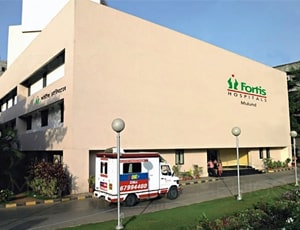
Fortis Hospital, Mulund offers specialised Cholangiocarcinoma (Bile Duct Cancer) Treatment using modern surgical and medical oncology technologies and established treatment protocols. Established in 2002, the JCI, NABH accredited hospital is situated in Mumbai, India, with 315 beds, serving local and international patients.
Treatment may include surgery, chemotherapy, targeted therapy, immunotherapy, radiation therapy, or biliary drainage procedures, depending on the cancer's location and stage. Molecular testing may identify specific alterations that could make targeted treatment appropriate. Before therapy, specialists conduct comprehensive imaging, pathology, staging, and liver-function assessments to develop an individualised treatment plan.
Manipal Hospital, Hebbal provides Cholangiocarcinoma (Bile Duct Cancer) Treatment using contemporary hepatobiliary and oncology techniques and evidence-based care. Founded in 1991, the NABL, NABH accredited hospital is based in Bangalore, India, with 280 beds and services for domestic and international patients.
The treatment approach depends on whether the cancer is intrahepatic, perihilar, or distal bile duct cancer and whether it can be surgically removed. Depending on the diagnosis, treatment may involve liver or bile duct surgery, chemotherapy, radiation, targeted therapy, or immunotherapy. Imaging, pathology, and molecular profiling help guide treatment planning.
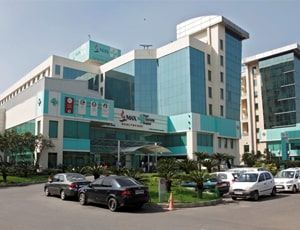
Max Super Speciality Hospital, Saket offers specialised Cholangiocarcinoma (Bile Duct Cancer) Treatment using modern surgical and medical oncology technologies and established treatment protocols. Established in 2006, the JCI, NABH accredited hospital is situated in Delhi, India, with 539 beds, serving local and international patients.
Treatment may include surgery, chemotherapy, targeted therapy, immunotherapy, radiation therapy, or biliary drainage procedures, depending on the cancer's location and stage. Molecular testing may identify specific alterations that could make targeted treatment appropriate. Before therapy, specialists conduct comprehensive imaging, pathology, staging, and liver-function assessments to develop an individualised treatment plan.
Gurgaon, India
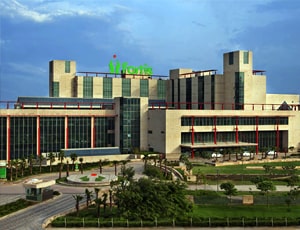
Fortis Memorial Research Institute offers specialised Cholangiocarcinoma (Bile Duct Cancer) Treatment using modern surgical and medical oncology technologies and established treatment protocols. Established in 2013, the JCI, NABH, NABL accredited hospital is situated in Gurgaon, India, with 311 beds, serving local and international patients.
Treatment may include surgery, chemotherapy, targeted therapy, immunotherapy, radiation therapy, or biliary drainage procedures, depending on the cancer's location and stage. Molecular testing may identify specific alterations that could make targeted treatment appropriate. Before therapy, specialists conduct comprehensive imaging, pathology, staging, and liver-function assessments to develop an individualised treatment plan.
Medicana Sivas Hospital provides Cholangiocarcinoma (Bile Duct Cancer) Treatment using contemporary hepatobiliary and oncology techniques and evidence-based care. Founded in 2015, the JCI accredited hospital is based in Sivas, Turkey, with 105 beds and services for domestic and international patients.
The treatment approach depends on whether the cancer is intrahepatic, perihilar, or distal bile duct cancer and whether it can be surgically removed. Depending on the diagnosis, treatment may involve liver or bile duct surgery, chemotherapy, radiation, targeted therapy, or immunotherapy. Imaging, pathology, and molecular profiling help guide treatment planning.
Acibadem University Hospital Atakent provides Cholangiocarcinoma (Bile Duct Cancer) Treatment using contemporary hepatobiliary and oncology techniques and evidence-based care. Founded in 2014, the JCI accredited hospital is based in Istanbul, Turkey, with 278 beds and services for domestic and international patients.
The treatment approach depends on whether the cancer is intrahepatic, perihilar, or distal bile duct cancer and whether it can be surgically removed. Depending on the diagnosis, treatment may involve liver or bile duct surgery, chemotherapy, radiation, targeted therapy, or immunotherapy. Imaging, pathology, and molecular profiling help guide treatment planning.
At Iranian Hospital, patients can access comprehensive Cholangiocarcinoma Treatment supported by advanced diagnostic, surgical, and oncology facilities. Established in 1970, the accredited hospital is located in Dubai, United Arab Emirates, and has 220 beds.
Bile duct cancer treatment is personalised according to the tumour's location, stage, and overall health of the patient. Potentially operable tumours may be treated with surgery, while patients with advanced disease may receive systemic therapies such as chemotherapy, targeted medicines, or immunotherapy. Biliary drainage or stenting may also be used to relieve obstruction when required.
Istinye University Bahcesehir - LIV Hospital offers advanced Cholangiocarcinoma (Bile Duct Cancer) Treatment using modern oncology and hepatobiliary surgery techniques and internationally accepted treatment protocols. Established in 2016, the ISO, JCI accredited hospital is located in Istanbul, Turkey, with 394 beds, providing comprehensive cancer care for local and international patients.
Treatment depends on the location, stage, and extent of the bile duct cancer. Surgery may be considered for tumours that can be completely removed, while advanced disease may require chemotherapy, targeted therapy, immunotherapy, or radiation therapy. Detailed imaging, tissue diagnosis, and molecular testing may help specialists determine the most appropriate treatment approach.
KCM Clinic offers advanced Cholangiocarcinoma (Bile Duct Cancer) Treatment using modern oncology and hepatobiliary surgery techniques and internationally accepted treatment protocols. Established in 2006, the ISO accredited hospital is located in Jelenia Gora, Poland, with 85 beds, providing comprehensive cancer care for local and international patients.
Treatment depends on the location, stage, and extent of the bile duct cancer. Surgery may be considered for tumours that can be completely removed, while advanced disease may require chemotherapy, targeted therapy, immunotherapy, or radiation therapy. Detailed imaging, tissue diagnosis, and molecular testing may help specialists determine the most appropriate treatment approach.
Life Kingsbury Hospital provides Cholangiocarcinoma (Bile Duct Cancer) Treatment using contemporary hepatobiliary and oncology techniques and evidence-based care. Founded in 1918, the accredited hospital is based in Cape Town, South Africa, with 212 beds and services for domestic and international patients.
The treatment approach depends on whether the cancer is intrahepatic, perihilar, or distal bile duct cancer and whether it can be surgically removed. Depending on the diagnosis, treatment may involve liver or bile duct surgery, chemotherapy, radiation, targeted therapy, or immunotherapy. Imaging, pathology, and molecular profiling help guide treatment planning.
At Asian Institute of Medical Sciences, patients can access comprehensive Cholangiocarcinoma Treatment supported by advanced diagnostic, surgical, and oncology facilities. Established in 2010, the NABL, NABH accredited hospital is located in Faridabad, India, and has 425 beds.
Bile duct cancer treatment is personalised according to the tumour's location, stage, and overall health of the patient. Potentially operable tumours may be treated with surgery, while patients with advanced disease may receive systemic therapies such as chemotherapy, targeted medicines, or immunotherapy. Biliary drainage or stenting may also be used to relieve obstruction when required.
Apollo Hospital International Limited offers specialised Cholangiocarcinoma (Bile Duct Cancer) Treatment using modern surgical and medical oncology technologies and established treatment protocols. Established in 2003, the NABH, JCI accredited hospital is situated in Ahmedabad, India, with 300 beds, serving local and international patients.
Treatment may include surgery, chemotherapy, targeted therapy, immunotherapy, radiation therapy, or biliary drainage procedures, depending on the cancer's location and stage. Molecular testing may identify specific alterations that could make targeted treatment appropriate. Before therapy, specialists conduct comprehensive imaging, pathology, staging, and liver-function assessments to develop an individualised treatment plan.
Manipal Hospital, Gurugram provides Cholangiocarcinoma (Bile Duct Cancer) Treatment using contemporary hepatobiliary and oncology techniques and evidence-based care. Founded in 2008, the NABL, NABH accredited hospital is based in Gurgaon, India, with 380 beds and services for domestic and international patients.
The treatment approach depends on whether the cancer is intrahepatic, perihilar, or distal bile duct cancer and whether it can be surgically removed. Depending on the diagnosis, treatment may involve liver or bile duct surgery, chemotherapy, radiation, targeted therapy, or immunotherapy. Imaging, pathology, and molecular profiling help guide treatment planning.
Manipal Hospitals Goa, Dona Paula provides Cholangiocarcinoma (Bile Duct Cancer) Treatment using contemporary hepatobiliary and oncology techniques and evidence-based care. Founded in 1994, the NABH accredited hospital is based in Panjim, India, with 235 beds and services for domestic and international patients.
The treatment approach depends on whether the cancer is intrahepatic, perihilar, or distal bile duct cancer and whether it can be surgically removed. Depending on the diagnosis, treatment may involve liver or bile duct surgery, chemotherapy, radiation, targeted therapy, or immunotherapy. Imaging, pathology, and molecular profiling help guide treatment planning.
With advanced hepatobiliary oncology infrastructure, Metro Hospital offers Cholangiocarcinoma Treatment for patients requiring specialised care for bile duct cancer. Established in 1997, the NABL, NABH, ISO accredited hospital is located in Noida, India, and has 289 beds.
For selected patients with resectable disease, surgery may involve removal of the affected bile duct, part of the liver, or other nearby tissues, depending on tumour location. Advanced disease may require systemic treatment or palliative procedures such as biliary stenting. A multidisciplinary team evaluates imaging, pathology, tumour stage, and overall health before recommending treatment.