Browse verified doctors or let our care team help you find the doctor best suited to your condition, treatment goals, and budget.

Medical Park Antalya Hospital provides Cholangiocarcinoma (Bile Duct Cancer) Treatment using contemporary hepatobiliary and oncology techniques and evidence-based care. Founded in 2008, the JCI accredited hospital is based in Antalya, Turkey, with 228 beds and services for domestic and international patients.
The treatment approach depends on whether the cancer is intrahepatic, perihilar, or distal bile duct cancer and whether it can be surgically removed. Depending on the diagnosis, treatment may involve liver or bile duct surgery, chemotherapy, radiation, targeted therapy, or immunotherapy. Imaging, pathology, and molecular profiling help guide treatment planning.
At Medical Park Tarsus Hospital, patients can access comprehensive Cholangiocarcinoma Treatment supported by advanced diagnostic, surgical, and oncology facilities. Established in 2015, the JCI accredited hospital is located in Istanbul, Turkey, and has 100 beds.
Bile duct cancer treatment is personalised according to the tumour's location, stage, and overall health of the patient. Potentially operable tumours may be treated with surgery, while patients with advanced disease may receive systemic therapies such as chemotherapy, targeted medicines, or immunotherapy. Biliary drainage or stenting may also be used to relieve obstruction when required.
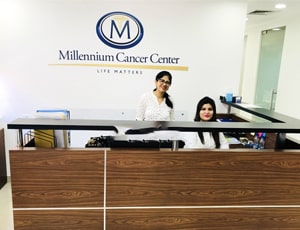
At Millennium Cancer Center, patients can access comprehensive Cholangiocarcinoma Treatment supported by advanced diagnostic, surgical, and oncology facilities. Established in 2004, the accredited hospital is located in Gurgaon, India, and has 100 beds.
Bile duct cancer treatment is personalised according to the tumour's location, stage, and overall health of the patient. Potentially operable tumours may be treated with surgery, while patients with advanced disease may receive systemic therapies such as chemotherapy, targeted medicines, or immunotherapy. Biliary drainage or stenting may also be used to relieve obstruction when required.
VM Medical Park Samsun Hospital offers advanced Cholangiocarcinoma (Bile Duct Cancer) Treatment using modern oncology and hepatobiliary surgery techniques and internationally accepted treatment protocols. Established in 2017, the JCI accredited hospital is located in Samsun, Turkey, with 300 beds, providing comprehensive cancer care for local and international patients.
Treatment depends on the location, stage, and extent of the bile duct cancer. Surgery may be considered for tumours that can be completely removed, while advanced disease may require chemotherapy, targeted therapy, immunotherapy, or radiation therapy. Detailed imaging, tissue diagnosis, and molecular testing may help specialists determine the most appropriate treatment approach.
VM Medical Park Ankara offers specialised Cholangiocarcinoma (Bile Duct Cancer) Treatment using modern surgical and medical oncology technologies and established treatment protocols. Established in 2014, the JCI accredited hospital is situated in Ankara, Turkey, with 327 beds, serving local and international patients.
Treatment may include surgery, chemotherapy, targeted therapy, immunotherapy, radiation therapy, or biliary drainage procedures, depending on the cancer's location and stage. Molecular testing may identify specific alterations that could make targeted treatment appropriate. Before therapy, specialists conduct comprehensive imaging, pathology, staging, and liver-function assessments to develop an individualised treatment plan.
Avcilar Anadolu Hospital offers advanced Cholangiocarcinoma (Bile Duct Cancer) Treatment using modern oncology and hepatobiliary surgery techniques and internationally accepted treatment protocols. Established in 1998, the JCI accredited hospital is located in Istanbul, Turkey, with 120 beds, providing comprehensive cancer care for local and international patients.
Treatment depends on the location, stage, and extent of the bile duct cancer. Surgery may be considered for tumours that can be completely removed, while advanced disease may require chemotherapy, targeted therapy, immunotherapy, or radiation therapy. Detailed imaging, tissue diagnosis, and molecular testing may help specialists determine the most appropriate treatment approach.
With advanced hepatobiliary oncology infrastructure, Carolina Medical Center offers Cholangiocarcinoma Treatment for patients requiring specialised care for bile duct cancer. Established in 1998, the ISO accredited hospital is located in Warsaw, Poland, and has 60 beds.
For selected patients with resectable disease, surgery may involve removal of the affected bile duct, part of the liver, or other nearby tissues, depending on tumour location. Advanced disease may require systemic treatment or palliative procedures such as biliary stenting. A multidisciplinary team evaluates imaging, pathology, tumour stage, and overall health before recommending treatment.
At Centre International Carthage Medical, patients can access comprehensive Cholangiocarcinoma Treatment supported by advanced diagnostic, surgical, and oncology facilities. Established in 2014, the accredited hospital is located in Monastir, Tunisia, and has 120 beds.
Bile duct cancer treatment is personalised according to the tumour's location, stage, and overall health of the patient. Potentially operable tumours may be treated with surgery, while patients with advanced disease may receive systemic therapies such as chemotherapy, targeted medicines, or immunotherapy. Biliary drainage or stenting may also be used to relieve obstruction when required.
Woodlands Hospital offers advanced Cholangiocarcinoma (Bile Duct Cancer) Treatment using modern oncology and hepatobiliary surgery techniques and internationally accepted treatment protocols. Established in 2001, the accredited hospital is located in Darlington, United Kingdom, with 38 beds, providing comprehensive cancer care for local and international patients.
Treatment depends on the location, stage, and extent of the bile duct cancer. Surgery may be considered for tumours that can be completely removed, while advanced disease may require chemotherapy, targeted therapy, immunotherapy, or radiation therapy. Detailed imaging, tissue diagnosis, and molecular testing may help specialists determine the most appropriate treatment approach.
Burjeel Specialty Hospital, Sharjah offers specialised Cholangiocarcinoma (Bile Duct Cancer) Treatment using modern surgical and medical oncology technologies and established treatment protocols. Established in 2019, the JCI accredited hospital is situated in Sharjah, United Arab Emirates, with 75 beds, serving local and international patients.
Treatment may include surgery, chemotherapy, targeted therapy, immunotherapy, radiation therapy, or biliary drainage procedures, depending on the cancer's location and stage. Molecular testing may identify specific alterations that could make targeted treatment appropriate. Before therapy, specialists conduct comprehensive imaging, pathology, staging, and liver-function assessments to develop an individualised treatment plan.
With advanced hepatobiliary oncology infrastructure, Tx Hospitals Banjara Hills offers Cholangiocarcinoma Treatment for patients requiring specialised care for bile duct cancer. Established in 2020, the JCI, NABH accredited hospital is located in Hyderabad, India, and has 100 beds.
For selected patients with resectable disease, surgery may involve removal of the affected bile duct, part of the liver, or other nearby tissues, depending on tumour location. Advanced disease may require systemic treatment or palliative procedures such as biliary stenting. A multidisciplinary team evaluates imaging, pathology, tumour stage, and overall health before recommending treatment.
Arab Medical Center offers advanced Cholangiocarcinoma (Bile Duct Cancer) Treatment using modern oncology and hepatobiliary surgery techniques and internationally accepted treatment protocols. Established in 1997, the JCI accredited hospital is located in Amman, Jordan, with 243 beds, providing comprehensive cancer care for local and international patients.
Treatment depends on the location, stage, and extent of the bile duct cancer. Surgery may be considered for tumours that can be completely removed, while advanced disease may require chemotherapy, targeted therapy, immunotherapy, or radiation therapy. Detailed imaging, tissue diagnosis, and molecular testing may help specialists determine the most appropriate treatment approach.
Ara Damansara Medical Centre offers advanced Cholangiocarcinoma (Bile Duct Cancer) Treatment using modern oncology and hepatobiliary surgery techniques and internationally accepted treatment protocols. Established in 2012, the JCI, MSQH accredited hospital is located in Kuala Lumpur, Malaysia, with 220 beds, providing comprehensive cancer care for local and international patients.
Treatment depends on the location, stage, and extent of the bile duct cancer. Surgery may be considered for tumours that can be completely removed, while advanced disease may require chemotherapy, targeted therapy, immunotherapy, or radiation therapy. Detailed imaging, tissue diagnosis, and molecular testing may help specialists determine the most appropriate treatment approach.
Fortis Hospital offers specialised Cholangiocarcinoma (Bile Duct Cancer) Treatment using modern surgical and medical oncology technologies and established treatment protocols. Established in 2006, the JCI, NABH accredited hospital is situated in Mohali, India, with 276 beds, serving local and international patients.
Treatment may include surgery, chemotherapy, targeted therapy, immunotherapy, radiation therapy, or biliary drainage procedures, depending on the cancer's location and stage. Molecular testing may identify specific alterations that could make targeted treatment appropriate. Before therapy, specialists conduct comprehensive imaging, pathology, staging, and liver-function assessments to develop an individualised treatment plan.
Delhi, India
At Fortis Flt. Lt. Rajan Dhall Hospital, patients can access comprehensive Cholangiocarcinoma Treatment supported by advanced diagnostic, surgical, and oncology facilities. Established in 2006, the NABH accredited hospital is located in Delhi, India, and has 162 beds.
Bile duct cancer treatment is personalised according to the tumour's location, stage, and overall health of the patient. Potentially operable tumours may be treated with surgery, while patients with advanced disease may receive systemic therapies such as chemotherapy, targeted medicines, or immunotherapy. Biliary drainage or stenting may also be used to relieve obstruction when required.