4 Hospitals
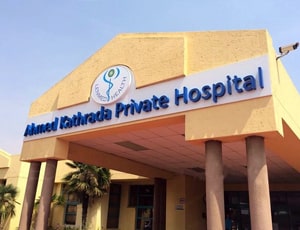
- Best Private Hospital in South Africa, 2020 - Ahmed Kathrada Private Hospital in Johannesburg was named the Best Private Hospital in South Africa in 2020 by the International Healthcare Commission.
- Best Hospital for Cardiology, 2019 - Ahmed Kathrada Private Hospital in Johannesburg was named the Best Hospital for Cardiology in 2019 by the South African Medical Association.
- Best Hospital for Orthopedics, 2019 - Ahmed Kathrada Private Hospital in Johannesburg was named the Best Hospital for Orthopedics in 2019 by the South African Medical Association.
- Best Hospital for Neurology, 2019 - Ahmed Kathrada Private Hospital in Johannesburg was named the Best Hospital for Neurology in 2019 by the South African Medical Association.
- Best Hospital for Pulmonology, 2019 - Ahmed Kathrada Private Hospital in Johannesburg was named the Best Hospital for Pulmonology in 2019 by the South African Medical Association.
- Accreditation


Please Enquire

Life Kingsbury Hospital, located in Cape Town, South Africa, is dedicated to providing a full spectrum of oncology services as part of its holistic healthcare model. The hospital caters to a variety of cancers, including breast, colorectal, gynaecological, and pediatric types. Patients can access cutting-edge treatments like chemotherapy, radiotherapy, brachytherapy, and targeted therapies. Additionally, the oncology department features specialised services such as bone marrow transplants and Mohs surgery. With top-notch facilities and a passionate team of experts, Life Kingsbury Hospital is focused on offering personalised and effective cancer care to those in South Africa.

- Best Private Hospital in South Africa 2021 - Netcare Linksfield Hospital was named the best private hospital in South Africa by the International Medical Travel Journal.
- Best Hospital for Patient Experience 2020 - The hospital received this award from the South African Patient Experience Society for its commitment to improving patient experience.
- Best Hospital for Gastroenterology 2019 - Netcare Linksfield Hospital was recognized for its exceptional gastroenterology services by the Global Health & Pharma Awards.
- Best Hospital for Cardiology 2018 - The hospital received this award from the South African Society of Cardiovascular Intervention for its outstanding cardiology services.
- Best Hospital for Emergency Care 2017 - Netcare Linksfield Hospital was named the best hospital for emergency care by the Discovery Health Quality Awards.
- Accreditation

- Best Hospital in KwaZulu-Natal, 2018, Standard Bank KZN Top Business Awards: eThekwini Hospital and Heart Centre received this award for its outstanding healthcare services in KwaZulu-Natal.
- Best Hospital in Durban, 2019, KZN Health Excellence Awards: This award recognized eThekwini Hospital and Heart Centre for its exceptional healthcare services in Durban.
- Best Private Hospital in South Africa, 2019, KZN Health Excellence Awards: This award recognized eThekwini Hospital and Heart Centre for its outstanding private healthcare services in South Africa.
- Best Hospital in Durban, 2020, KZN Health Excellence Awards: This award recognized eThekwini Hospital and Heart Centre for its exceptional healthcare services in Durban.
- Best Private Hospital in KwaZulu-Natal, 2020, Standard Bank KZN Top Business Awards: This award recognized eThekwini Hospital and Heart Centre for its outstanding private healthcare services in KwaZulu-Natal.
Ask your healthcare adviser for the best multiple options and choose the one that meets your expectations
Request for an Expert Opinion

Patient Stories
More Related Information
Some of the top rated docotrs are:
Top rated hospitals in other destinations are:
- Israel
- Herzliya Medical Center, herzliya
- Sheba Medical Center, Tel Hashomer
- Tel Aviv Sourasky Medical Center (Ichilov Medical Center), Tel-Aviv
- Kaplan Medical Centre, Rehovot
- Lis Maternity Hospital, Tel-Aviv
- Singapore
- Thomson Medical Center, Thomson Road
- Parkway East Hospital, Joo Chiat Pl
- Gleneagles Hospital, Napier Road
- Farrer Park Hospital, Connexion
- Mount Elizabeth Novena Hospital, Novena
- Morocco
- Malaysia
- Tunisia
FAQ's Related to South Africa
The popular multispecialty hospital groups in South Africa are:
- Ahmed Al-Kadi Private Hospital
- Busamed Hillcrest Private Hospital
- Busamed Gateway Private Hospital
- Busamed Modderfontein Private Hospital
- Busamed Lowveld Hospital
- Lenmed Ethekwini Hospital and Heart Centre
- Busamed Paardevlei Private Hospital
- Life Bay View Private Hospital
- Lenmed Shifa Hospital
To ensure that integrated and coordinated care is provided, COHSASA develops as well as measures standards in all areas and departments of a healthcare facility. Clinics and Hospitals that comply with standards are initially given two-year accreditations and this period is extended if they are consistent in providing quality care. The hospitals in South Africa receive accreditation from Joint Commission International (JCI) and Council for Health Service Accreditation of Southern Africa (COHSASA). The SafeCare program introduced by JCI, COHSASA, and SafeCare Foundation aims at using internationally recognized standards to provide health care delivery.
The hospitals in South Africa strive to take the stress out of your medical holiday by helping you with all kinds of organization and administrative tasks, as well as provide all-inclusive care and assistance on a 24/7 basis. South Africa has also liberal laws for the application of stem cells in medical practice, making the country a leading destination for patients who need advanced medical treatment. South Africa’s growing popularity in medical tourism is also attributed to factors like a large pool of accredited hospitals, advanced technology, world-class facilities provided by hospitals, global exposure of doctors. Affordable healthcare and superior infrastructure are the main reasons for the popularity of South Africa in the medical tourism sector.
Most of the doctors in South Africa are trained in foreign countries like Cuba and Australia which orientate them towards quality health care. With quality at their core, the well-trained and highly qualified doctors in South Africa provide world-class treatment. The high quality of doctors in the country is attributed to factors like their patient-centric approach, incorporation of the human touch in treatment, education at reputed colleges, and adherence to global standards. Doctors in South Africa are known for their deep expertise in dental procedures and fertility treatments.
People who require medical treatment for longer than three months must apply for a temporary residency permit. You can get a medical visa to South Africa for 90 days. The High Commission of India decides for how long a visa could be extended. An application for a visa is not accepted more than 30 days prior to departure and the validity of a visa begins from the date of issue by the Consulate of India in South Africa and not from the date of travel. Make sure you have the below-listed documents while applying for a medical visa:
- Proof of stay in South Africa
- Signed official medical letter from medical institution
- Signed medical letter from a recognized local practitioner
- Passport
- Passport-sized photographs
- Online Application form
- Full return flight reservation
Some popular procedures available in South Africa are hip replacement, anterior cruciate ligament (ACL) reconstruction, total knee replacement, meniscus repairs. Egg donation program is very popular in the country and you have an option of having either a surgical or non-surgical procedure, with very low waiting times. Cosmetic surgery and infertility treatment are some of the other popular procedures in South Africa which have a high success rate. Some other procedures which have gained popularity in South Africa are cosmetic surgery and infertility treatment.
Cape Town is a world-class tourism attraction and is home to a variety of people from different cultures, as well as some of the top-class doctors and state-of-the-art medical facilities in the world South Africa has a number of modern urban centers, such as Cape Town, Johannesburg, Pretoria, and Durban. Johannesburg’s healthcare system is on par with Great Britain and the city’s public and private healthcare industry works closely with South Africa's medical schools to create internationally recognized medical specialists. Besides providing quality treatment, these cities are also known for having a better public transportation system, cheap hotels, and connectivity through airlines.
Yes, some vaccines are highly recommended or required for South Africa. WHO and the National Travel Health Network and Centre recommend the following vaccinations: hepatitis A, yellow fever, rabies and tetanus, hepatitis B, typhoid, cholera. Infants of age 6 to 11 months should get a single dose of measles-mumps-rubella (MMR) vaccine before they travel to South Africa. You need to go for typhoid vaccination if you are going to stay with friends or relatives or visiting smaller cities or rural areas. It is best to refer to the travel advisory to know in detail about the required vaccines. You can also get in touch with your doctor or the hospital in South Africa for more information on vaccination.