Browse verified doctors or let our care team help you find the doctor best suited to your condition, treatment goals, and budget.

Medipol Bahçelievler Hospital provides specialised Stroke Treatment with a focus on rapid diagnosis, evidence-based acute stroke management, advanced neurovascular intervention, and individualized rehabilitation. Established in 2022, the JCI accredited hospital is located in Istanbul, Turkey and operates 441 beds, with modern emergency, neurological, neurointerventional, intensive-care, and rehabilitation infrastructure.
Stroke Treatment is tailored according to stroke type, severity, timing, affected blood vessels or brain structures, and the patient's underlying risk factors. A detailed assessment may include neurological examination, CT or MRI of the brain, vascular imaging, cardiac evaluation, and laboratory investigations. The treatment team develops an individualized plan to address the immediate stroke, manage complications, reduce the risk of another stroke, and support recovery of mobility, communication, swallowing, cognition, and daily functioning.
At Florence Nightingale Hospital, Stroke Treatment is performed using specialized stroke-management protocols and comprehensive neurological assessment. Established in 1989, this JCI accredited hospital in Istanbul, Turkey has 804 beds and offers advanced emergency, neurovascular, neurosurgical, and rehabilitation services.
Stroke Treatment may be considered for patients presenting with symptoms such as sudden weakness, facial drooping, speech difficulty, vision changes, or loss of coordination. Rapid brain imaging, commonly CT or MRI, helps determine whether the stroke is ischemic or hemorrhagic and identifies the appropriate treatment pathway. Depending on the findings, patients may receive clot-dissolving medication, endovascular thrombectomy, neurosurgical treatment, or supportive medical management.
NPISTANBUL Brain Hospital offers advanced Stroke Treatment using modern neurological, emergency, and rehabilitation techniques and individualized cerebrovascular care plans. Established in 2007, the JCI accredited hospital is located in Istanbul, Turkey and has 160 beds, providing comprehensive stroke care for local and international patients.
Stroke Treatment is planned according to the type of stroke, affected area of the brain, time since symptom onset, and the patient's overall medical condition. Ischemic stroke may be treated with intravenous thrombolysis and, in eligible patients with a large-vessel blockage, mechanical thrombectomy. Hemorrhagic stroke may require blood pressure management, reversal of anticoagulation, surgical intervention, or other specialized treatment. Rehabilitation is an important part of recovery following stroke.
Antalya Anadolu Hastanesi is a trusted healthcare provider for Stroke Treatment, offering comprehensive stroke care supported by experienced neurologists, neurointerventional specialists, neurosurgeons, emergency physicians, critical-care teams, and rehabilitation professionals. Established in 2006, the - accredited hospital is situated in Antalya, Turkey and has 114 beds.
Stroke Treatment aims to restore or protect brain function, limit neurological injury, and prevent recurrent cerebrovascular events. For eligible ischemic strokes, intravenous thrombolysis may dissolve the clot responsible for reduced blood flow, while mechanical thrombectomy can physically remove a clot from selected large blood vessels. Hemorrhagic stroke management focuses on controlling bleeding, reducing pressure within the skull when necessary, and addressing the underlying cause.
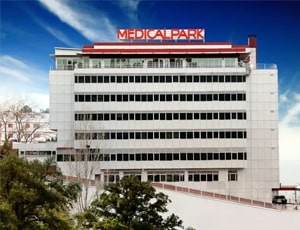
Medical Park Trabzon Star Hospital is a trusted healthcare provider for Stroke Treatment, offering comprehensive stroke care supported by experienced neurologists, neurointerventional specialists, neurosurgeons, emergency physicians, critical-care teams, and rehabilitation professionals. Established in 2011, the JCI- accredited hospital is situated in Trabzon, Turkey and has 120 beds.
Stroke Treatment aims to restore or protect brain function, limit neurological injury, and prevent recurrent cerebrovascular events. For eligible ischemic strokes, intravenous thrombolysis may dissolve the clot responsible for reduced blood flow, while mechanical thrombectomy can physically remove a clot from selected large blood vessels. Hemorrhagic stroke management focuses on controlling bleeding, reducing pressure within the skull when necessary, and addressing the underlying cause.
Medical Park Usak Hospital provides specialised Stroke Treatment with a focus on rapid diagnosis, evidence-based acute stroke management, advanced neurovascular intervention, and individualized rehabilitation. Established in 2013, the JCI accredited hospital is located in Usak, Turkey and operates 106 beds, with modern emergency, neurological, neurointerventional, intensive-care, and rehabilitation infrastructure.
Stroke Treatment is tailored according to stroke type, severity, timing, affected blood vessels or brain structures, and the patient's underlying risk factors. A detailed assessment may include neurological examination, CT or MRI of the brain, vascular imaging, cardiac evaluation, and laboratory investigations. The treatment team develops an individualized plan to address the immediate stroke, manage complications, reduce the risk of another stroke, and support recovery of mobility, communication, swallowing, cognition, and daily functioning.
Medical Park Tokat Hospital is a trusted healthcare provider for Stroke Treatment, offering comprehensive stroke care supported by experienced neurologists, neurointerventional specialists, neurosurgeons, emergency physicians, critical-care teams, and rehabilitation professionals. Established in 2015, the JCI- accredited hospital is situated in Tokat, Turkey and has 157 beds.
Stroke Treatment aims to restore or protect brain function, limit neurological injury, and prevent recurrent cerebrovascular events. For eligible ischemic strokes, intravenous thrombolysis may dissolve the clot responsible for reduced blood flow, while mechanical thrombectomy can physically remove a clot from selected large blood vessels. Hemorrhagic stroke management focuses on controlling bleeding, reducing pressure within the skull when necessary, and addressing the underlying cause.
At VM Medical Park Samsun Hospital, Stroke Treatment is performed using specialized stroke-management protocols and comprehensive neurological assessment. Established in 2017, this JCI accredited hospital in Samsun, Turkey has 300 beds and offers advanced emergency, neurovascular, neurosurgical, and rehabilitation services.
Stroke Treatment may be considered for patients presenting with symptoms such as sudden weakness, facial drooping, speech difficulty, vision changes, or loss of coordination. Rapid brain imaging, commonly CT or MRI, helps determine whether the stroke is ischemic or hemorrhagic and identifies the appropriate treatment pathway. Depending on the findings, patients may receive clot-dissolving medication, endovascular thrombectomy, neurosurgical treatment, or supportive medical management.
Choosing VM Medical Park Ankara for Stroke Treatment gives patients access to experienced stroke specialists, advanced brain imaging, neurointerventional facilities, intensive care support, and structured rehabilitation services. Established in 2014, the JCI accredited hospital in Ankara, Turkey has 327 beds and provides specialized cerebrovascular care.
Stroke Treatment requires rapid assessment because treatment options for acute ischemic stroke can be time-dependent. After initial stabilization, the medical team evaluates neurological function and performs appropriate imaging to identify the type and location of the stroke. Depending on the patient's condition, treatment may include thrombolytic medication, mechanical thrombectomy, management of blood pressure and blood glucose, treatment of brain swelling, or surgery. Following the acute phase, rehabilitation may include physiotherapy, occupational therapy, speech and language therapy, and other supportive services.
Avcilar Anadolu Hospital offers advanced Stroke Treatment using modern neurological, emergency, and rehabilitation techniques and individualized cerebrovascular care plans. Established in 1998, the JCI accredited hospital is located in Istanbul, Turkey and has 120 beds, providing comprehensive stroke care for local and international patients.
Stroke Treatment is planned according to the type of stroke, affected area of the brain, time since symptom onset, and the patient's overall medical condition. Ischemic stroke may be treated with intravenous thrombolysis and, in eligible patients with a large-vessel blockage, mechanical thrombectomy. Hemorrhagic stroke may require blood pressure management, reversal of anticoagulation, surgical intervention, or other specialized treatment. Rehabilitation is an important part of recovery following stroke.
Eregli Anadolu Hospital offers advanced Stroke Treatment using modern neurological, emergency, and rehabilitation techniques and individualized cerebrovascular care plans. Established in 1998, the JCI accredited hospital is located in Zonguldak, Turkey and has 75 beds, providing comprehensive stroke care for local and international patients.
Stroke Treatment is planned according to the type of stroke, affected area of the brain, time since symptom onset, and the patient's overall medical condition. Ischemic stroke may be treated with intravenous thrombolysis and, in eligible patients with a large-vessel blockage, mechanical thrombectomy. Hemorrhagic stroke may require blood pressure management, reversal of anticoagulation, surgical intervention, or other specialized treatment. Rehabilitation is an important part of recovery following stroke.
Baskent University Istanbul Hospital offers advanced Stroke Treatment using modern neurological, emergency, and rehabilitation techniques and individualized cerebrovascular care plans. Established in 1993, the JCI, ISO accredited hospital is located in Istanbul, Turkey and has 144 beds, providing comprehensive stroke care for local and international patients.
Stroke Treatment is planned according to the type of stroke, affected area of the brain, time since symptom onset, and the patient's overall medical condition. Ischemic stroke may be treated with intravenous thrombolysis and, in eligible patients with a large-vessel blockage, mechanical thrombectomy. Hemorrhagic stroke may require blood pressure management, reversal of anticoagulation, surgical intervention, or other specialized treatment. Rehabilitation is an important part of recovery following stroke.
Choosing Istanbul Oncology Hospital for Stroke Treatment gives patients access to experienced stroke specialists, advanced brain imaging, neurointerventional facilities, intensive care support, and structured rehabilitation services. Established in 2008, the JCI accredited hospital in Istanbul, Turkey it has adequate bed capacity and provides specialized cerebrovascular care.
Stroke Treatment requires rapid assessment because treatment options for acute ischemic stroke can be time-dependent. After initial stabilization, the medical team evaluates neurological function and performs appropriate imaging to identify the type and location of the stroke. Depending on the patient's condition, treatment may include thrombolytic medication, mechanical thrombectomy, management of blood pressure and blood glucose, treatment of brain swelling, or surgery. Following the acute phase, rehabilitation may include physiotherapy, occupational therapy, speech and language therapy, and other supportive services.
Choosing Medical Park Gebze Hospital for Stroke Treatment gives patients access to experienced stroke specialists, advanced brain imaging, neurointerventional facilities, intensive care support, and structured rehabilitation services. Established in 2015, the JCI accredited hospital in Kocaeli, Turkey has 120 beds and provides specialized cerebrovascular care.
Stroke Treatment requires rapid assessment because treatment options for acute ischemic stroke can be time-dependent. After initial stabilization, the medical team evaluates neurological function and performs appropriate imaging to identify the type and location of the stroke. Depending on the patient's condition, treatment may include thrombolytic medication, mechanical thrombectomy, management of blood pressure and blood glucose, treatment of brain swelling, or surgery. Following the acute phase, rehabilitation may include physiotherapy, occupational therapy, speech and language therapy, and other supportive services.
Guven Hospital is a trusted healthcare provider for Stroke Treatment, offering comprehensive stroke care supported by experienced neurologists, neurointerventional specialists, neurosurgeons, emergency physicians, critical-care teams, and rehabilitation professionals. Established in 1975, the GHA- accredited hospital is situated in Ankara, Turkey and has 254 beds.
Stroke Treatment aims to restore or protect brain function, limit neurological injury, and prevent recurrent cerebrovascular events. For eligible ischemic strokes, intravenous thrombolysis may dissolve the clot responsible for reduced blood flow, while mechanical thrombectomy can physically remove a clot from selected large blood vessels. Hemorrhagic stroke management focuses on controlling bleeding, reducing pressure within the skull when necessary, and addressing the underlying cause.

Baby Ilumbe Darwin, a one-year-old baby, was diagnosed with cerebral palsy, which is a common neurological disorder that appears in infancy or early childhood and…
| Speciality | Neurology |
| Procedure | Stroke Treatment |
| Success Rate | Varies by condition |
| Recovery Time | Varies by condition |
| Treatment Time | Varies by condition |
| Chances of Recurrence | Varies by condition |
Stroke treatment involves a combination of various interventions to minimize damage to the brain. The treatment approach depends on the type of stroke, whether it is ischemic (caused by a blood clot) or hemorrhagic (caused by bleeding in the brain). Ischemic stroke treatment may involve medications to dissolve or remove the clot, while hemorrhagic stroke treatment focuses on stopping bleeding and relieving pressure on the brain.
Stroke treatment can address a range of medical conditions, including ischemic stroke, hemorrhagic stroke, transient ischemic attacks (TIAs), and certain underlying risk factors that contribute to stroke, such as high blood pressure, atrial fibrillation, and carotid artery disease. The goal is to prevent further damage to the brain, restore blood flow, and manage risk factors to reduce the likelihood of future strokes.
The recovery process after a stroke depends on the severity of the stroke and individual factors. The recovery process includes rehabilitation programs like physical therapy, occupational therapy, speech therapy, and other specialized therapies. The focus is on improving motor skills, restoring speech and language abilities, and regaining independence in daily activities. Recovery is gradual and may take months or even years. Doctors may suggest lifestyle modifications and prescribe certain medications to prevent future strokes.
According to the procedure, hospitals are ranked based on a variety of components. In Turkey, Hospitals for Stroke Treatment are ranked on the basis of the following factors- Availability of the Procedure, Popularity of the procedure & hospital, Infrastructure, Pricing structure, Experienced Medical Professionals, Technology Employed, Facilities Available for the Patients & Visitors, Success Rate of the Hospital.
MediGence works incredibly diligently to ensure that you get the best possible medical travel experience that is also accessible and reasonable. We make sure that your healthcare journey should be easy and hassle-free while receiving treatment overseas. Our value-based services include airport transfers, accommodation, 24/7 assistance, Virtual consultation, case manager, and prenegotiated treatment packages with upto a 30% discount. To help you receive top-notch medical treatment, we also provide a number of additional benefits.
Yes. You can avail a video consultation with a specialist before you plan your medical travel. You can place your request to our patient advisors for scheduling your online consultation with the specialist. They will get in touch with the doctor to check his/her availability. After receiving confirmation, the appointment will be scheduled and you will receive a payment link to book your session.
Doctors from Turkey are well-renowned in the medical fraternity around the world. We have compiled a list of some of the top doctors in Turkey to assist you in selecting the most appropriate specialist-
Numerous people have started traveling to Turkey for Stroke Treatment because of the nation's state-of-the-art healthcare system and high success rate. Stroke Treatment is the best option when it comes to Turkey for a variety of reasons including:
Depending on the patient's health and the complexity of the treatment, different procedures have different recovery times. Other factors like continuously taking rehab sessions and enrolling in postoperative care sessions also greatly impact the recovery time of the patient. Patients must also visit for follow-ups post-surgery to ensure proper healing and speed up the recovery process.