Browse verified doctors or let our care team help you find the doctor best suited to your condition, treatment goals, and budget.

At Acibadem International Hospital, Hemispherectomy is performed using advanced epilepsy surgery techniques and multidisciplinary neurological assessment. Established in 1989, the JCI accredited hospital in Istanbul, Turkey has 112 beds and provides comprehensive pediatric and adult neurosurgical services.
Hemispherectomy may be recommended for carefully selected patients with debilitating epilepsy that does not respond adequately to anti-seizure medications. Before surgery, specialists perform detailed assessments such as video EEG, MRI, neuropsychological testing, and other functional studies to identify the seizure-producing hemisphere and evaluate the expected neurological outcome. During surgery, the abnormal hemisphere is largely removed or functionally disconnected from the rest of the brain. Postoperative rehabilitation may be required to support movement, speech, and other neurological functions.
NPISTANBUL Brain Hospital offers dedicated Hemispherectomy supported by experienced epilepsy surgeons, advanced neuroimaging, and specialized neurophysiology facilities. Established in 2007, the JCI accredited hospital is situated in Istanbul, Turkey and has 160 beds supporting comprehensive epilepsy care.
Hemispherectomy is a major neurosurgical procedure used for selected patients whose seizures originate from a severely diseased or dysfunctional cerebral hemisphere. The procedure separates the affected hemisphere from the healthy hemisphere so that abnormal electrical activity cannot readily propagate. In many cases, the operation involves functional disconnection rather than complete removal of the hemisphere. Careful preoperative evaluation is essential because the potential benefits and neurological risks depend on the underlying brain disorder and the function already supported by each hemisphere.
Istanbul, Turkey
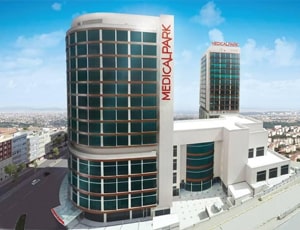
At Istinye University Medical Park Gaziosmanpasa Hospital, Hemispherectomy is performed using advanced epilepsy surgery techniques and multidisciplinary neurological assessment. Established in 2015, the ISO, JCI accredited hospital in Istanbul, Turkey has 197 beds and provides comprehensive pediatric and adult neurosurgical services.
Hemispherectomy may be recommended for carefully selected patients with debilitating epilepsy that does not respond adequately to anti-seizure medications. Before surgery, specialists perform detailed assessments such as video EEG, MRI, neuropsychological testing, and other functional studies to identify the seizure-producing hemisphere and evaluate the expected neurological outcome. During surgery, the abnormal hemisphere is largely removed or functionally disconnected from the rest of the brain. Postoperative rehabilitation may be required to support movement, speech, and other neurological functions.
Choosing Liv Hospital Ulus for Hemispherectomy gives patients access to specialist-led epilepsy surgery, advanced brain mapping and imaging, and coordinated neurological rehabilitation. Established in 2013, the JCI accredited hospital is located in Istanbul, Turkey and operates 154 beds with modern neurosurgical infrastructure.
Hemispherectomy may be considered when severe epilepsy originates primarily from one cerebral hemisphere and remains uncontrolled despite appropriate medical treatment. The surgeon disconnects the affected hemisphere from the healthy side, with the exact technique determined by the underlying disease and patient's anatomy. The goal is to significantly reduce or stop disabling seizures while minimizing neurological complications. Following surgery, rehabilitation may address mobility, balance, speech, and other functions depending on the patient's needs.
Medicana International Ankara Hospital provides specialized Hemispherectomy with a focus on controlling severe drug-resistant seizures and improving neurological function in appropriately selected patients. Established in 2008, the JCI accredited hospital is located in Ankara, Turkey and operates 215 beds with advanced neurosurgical and epilepsy-care facilities.
Hemispherectomy is a specialized epilepsy surgery in which most or all of one cerebral hemisphere is disconnected from the functioning brain. It may be considered for patients with severe, drug-resistant epilepsy arising predominantly from one side of the brain, particularly when seizures significantly affect daily life. The procedure aims to prevent abnormal electrical activity from spreading to the healthy hemisphere. Depending on the underlying condition, different techniques may be used, including functional hemispherectomy or hemispherotomy.
Medicana International Samsun Hospital provides specialized Hemispherectomy with an emphasis on precise seizure-focus management, careful preservation of neurological function, and individualized postoperative rehabilitation. Established in 2011, the JCI accredited hospital is based in Samsun, Turkey and has 249 beds supported by modern neurosurgical and epilepsy-care facilities.
Hemispherectomy is generally reserved for severe, medication-resistant epilepsy associated with significant abnormalities affecting one side of the brain. Before surgery, a multidisciplinary epilepsy team evaluates seizure patterns, brain structure, neurological function, and developmental status to determine whether the procedure is appropriate. During the operation, the affected hemisphere is disconnected, and in some techniques, portions of abnormal brain tissue are also removed. Long-term follow-up and rehabilitation are important for monitoring seizure control and supporting recovery of motor, cognitive, and functional abilities.
Medicana International Istanbul provides specialized Hemispherectomy with a focus on controlling severe drug-resistant seizures and improving neurological function in appropriately selected patients. Established in 1992, the JCI accredited hospital is located in Istanbul, Turkey and operates 186 beds with advanced neurosurgical and epilepsy-care facilities.
Hemispherectomy is a specialized epilepsy surgery in which most or all of one cerebral hemisphere is disconnected from the functioning brain. It may be considered for patients with severe, drug-resistant epilepsy arising predominantly from one side of the brain, particularly when seizures significantly affect daily life. The procedure aims to prevent abnormal electrical activity from spreading to the healthy hemisphere. Depending on the underlying condition, different techniques may be used, including functional hemispherectomy or hemispherotomy.
Memorial Antalya Hospital provides specialized Hemispherectomy with a focus on controlling severe drug-resistant seizures and improving neurological function in appropriately selected patients. Established in 2010, the JCI accredited hospital is located in Antalya, Turkey and operates 114 beds with advanced neurosurgical and epilepsy-care facilities.
Hemispherectomy is a specialized epilepsy surgery in which most or all of one cerebral hemisphere is disconnected from the functioning brain. It may be considered for patients with severe, drug-resistant epilepsy arising predominantly from one side of the brain, particularly when seizures significantly affect daily life. The procedure aims to prevent abnormal electrical activity from spreading to the healthy hemisphere. Depending on the underlying condition, different techniques may be used, including functional hemispherectomy or hemispherotomy.
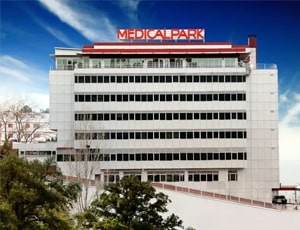
Medical Park Trabzon Star Hospital provides specialized Hemispherectomy with an emphasis on precise seizure-focus management, careful preservation of neurological function, and individualized postoperative rehabilitation. Established in 2011, the JCI accredited hospital is based in Trabzon, Turkey and has 120 beds supported by modern neurosurgical and epilepsy-care facilities.
Hemispherectomy is generally reserved for severe, medication-resistant epilepsy associated with significant abnormalities affecting one side of the brain. Before surgery, a multidisciplinary epilepsy team evaluates seizure patterns, brain structure, neurological function, and developmental status to determine whether the procedure is appropriate. During the operation, the affected hemisphere is disconnected, and in some techniques, portions of abnormal brain tissue are also removed. Long-term follow-up and rehabilitation are important for monitoring seizure control and supporting recovery of motor, cognitive, and functional abilities.
Choosing Medical Park Usak Hospital for Hemispherectomy gives patients access to specialist-led epilepsy surgery, advanced brain mapping and imaging, and coordinated neurological rehabilitation. Established in 2013, the JCI accredited hospital is located in Usak, Turkey and operates 106 beds with modern neurosurgical infrastructure.
Hemispherectomy may be considered when severe epilepsy originates primarily from one cerebral hemisphere and remains uncontrolled despite appropriate medical treatment. The surgeon disconnects the affected hemisphere from the healthy side, with the exact technique determined by the underlying disease and patient's anatomy. The goal is to significantly reduce or stop disabling seizures while minimizing neurological complications. Following surgery, rehabilitation may address mobility, balance, speech, and other functions depending on the patient's needs.
Asya Hospital provides specialized Hemispherectomy with an emphasis on precise seizure-focus management, careful preservation of neurological function, and individualized postoperative rehabilitation. Established in 1993, the TMA accredited hospital is based in Istanbul, Turkey and has 150 beds supported by modern neurosurgical and epilepsy-care facilities.
Hemispherectomy is generally reserved for severe, medication-resistant epilepsy associated with significant abnormalities affecting one side of the brain. Before surgery, a multidisciplinary epilepsy team evaluates seizure patterns, brain structure, neurological function, and developmental status to determine whether the procedure is appropriate. During the operation, the affected hemisphere is disconnected, and in some techniques, portions of abnormal brain tissue are also removed. Long-term follow-up and rehabilitation are important for monitoring seizure control and supporting recovery of motor, cognitive, and functional abilities.
Medical Park Antalya Hospital provides specialized Hemispherectomy with a focus on controlling severe drug-resistant seizures and improving neurological function in appropriately selected patients. Established in 2008, the JCI accredited hospital is located in Antalya, Turkey and operates 228 beds with advanced neurosurgical and epilepsy-care facilities.
Hemispherectomy is a specialized epilepsy surgery in which most or all of one cerebral hemisphere is disconnected from the functioning brain. It may be considered for patients with severe, drug-resistant epilepsy arising predominantly from one side of the brain, particularly when seizures significantly affect daily life. The procedure aims to prevent abnormal electrical activity from spreading to the healthy hemisphere. Depending on the underlying condition, different techniques may be used, including functional hemispherectomy or hemispherotomy.
At Medical Park Tarsus Hospital, Hemispherectomy is performed using advanced epilepsy surgery techniques and multidisciplinary neurological assessment. Established in 2015, the JCI accredited hospital in Istanbul, Turkey has 100 beds and provides comprehensive pediatric and adult neurosurgical services.
Hemispherectomy may be recommended for carefully selected patients with debilitating epilepsy that does not respond adequately to anti-seizure medications. Before surgery, specialists perform detailed assessments such as video EEG, MRI, neuropsychological testing, and other functional studies to identify the seizure-producing hemisphere and evaluate the expected neurological outcome. During surgery, the abnormal hemisphere is largely removed or functionally disconnected from the rest of the brain. Postoperative rehabilitation may be required to support movement, speech, and other neurological functions.
Choosing Medical Park Tokat Hospital for Hemispherectomy gives patients access to specialist-led epilepsy surgery, advanced brain mapping and imaging, and coordinated neurological rehabilitation. Established in 2015, the JCI accredited hospital is located in Tokat, Turkey and operates 157 beds with modern neurosurgical infrastructure.
Hemispherectomy may be considered when severe epilepsy originates primarily from one cerebral hemisphere and remains uncontrolled despite appropriate medical treatment. The surgeon disconnects the affected hemisphere from the healthy side, with the exact technique determined by the underlying disease and patient's anatomy. The goal is to significantly reduce or stop disabling seizures while minimizing neurological complications. Following surgery, rehabilitation may address mobility, balance, speech, and other functions depending on the patient's needs.
VM Medical Park Samsun Hospital provides specialized Hemispherectomy with a focus on controlling severe drug-resistant seizures and improving neurological function in appropriately selected patients. Established in 2017, the JCI accredited hospital is located in Samsun, Turkey and operates 300 beds with advanced neurosurgical and epilepsy-care facilities.
Hemispherectomy is a specialized epilepsy surgery in which most or all of one cerebral hemisphere is disconnected from the functioning brain. It may be considered for patients with severe, drug-resistant epilepsy arising predominantly from one side of the brain, particularly when seizures significantly affect daily life. The procedure aims to prevent abnormal electrical activity from spreading to the healthy hemisphere. Depending on the underlying condition, different techniques may be used, including functional hemispherectomy or hemispherotomy.

Ms Patience from Uganda travelled to India for cosmetic surgery in May 2017. She got her treatment done in Asian Institute of Medical Sciences in…

Lobna (from Sudan) was diagnosed with meningioma, a form of non-cancerous brain tumor. Her family members decided to take her to one of the most…