Your Notifications
All done, no notifications

Best Deep Brain Stimulation Hospitals in Tunisia

Browse verified doctors or let our care team help you find the doctor best suited to your condition, treatment goals, and budget.

3
Hospitals Shortlisted
2
Medical Cities
60 - 80%
Success Rate
Deep Brain Stimulation: Cost, Procedure and Clinics | MediGence
JCI/ISO 100,000+ Patients Assisted 24X7 Coordinator Visa & Travel handled
End-to-end care, from hospital selection to post-treatment follow-up.

Treatment Overview at a Glance

60 - 80%
Success Rate
4–8 weeks
Full Recovery
4-8 hrs
Procedure Time
21
Stay in Country

Deep Brain Stimulation - Tunisia Vs the World

$15k - $25k
$21k - $28k
$25k - $40k
$25k - $40k
$28k - $45k
$30k - $45k
$30k - $37k
$41k - $58k
$43k - $60k
$55k - $90k
$56k - $65k
$65k - $80k

Top brain and spine specialist Doctors Available for Video Consultation

View All Doctors
Deep Brain Stimulation in Clinic Soukra: Costs, Top Doctors, and Reviews

Ariana, Tunisia

120+ Beds · 59+ Procedures
Get a Treatment Quote

Please Enquire

Required | alphabets and spaces
Required | A valid, working email address
Required | A valid contact
Deep Brain Stimulation in Taoufik Clinique: Costs, Top Doctors, and Reviews

Tunis, Tunisia

180+ Beds · 161+ Procedures
ISO
Get a Treatment Quote
Deep Brain Stimulation in Hannibal International Clinic: Costs, Top Doctors, and Reviews

Tunis, Tunisia

120+ Beds · 134+ Procedures
Get a Treatment Quote

Patient Stories

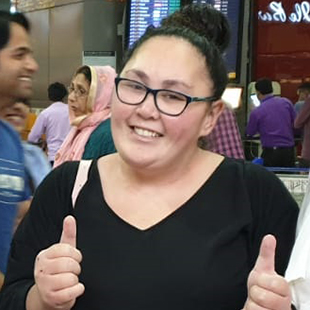
Chloe from Australia underwent Deep Brain Stimulation Surgery in India
Chloe Diane Mii Tangaroa
Chloe Diane from Australia underwent Deep Brain Stimulation Surgery in India

Patient Chloe Diane Mii Tangaroa has become worse over the last five years. She was suffering from chronic anxiety and most of the time depressed…

Nevine Safwat
Nevine Safwat
Ms. Safwat Underwent DBS Surgery in Artemis Hospital, India

The hospital services and the kind staff have exceeded my expectations. I appreciate the experts at Artemis Hospital for providing excellent counseling and consultations based…

Outcomes of Deep Brain Stimulation

SpecialityNeurology
ProcedureDeep Brain Stimulation
Success Rate85-95%
Recovery Time3-4 weeks
Treatment Time2-6 hours
Chances of Recurrence10-20%

What is a Deep Brain Stimulation and how does it work?

Deep Brain Stimulation (DBS) is a surgical procedure that involves the implantation of electrodes in specific areas of the brain to deliver electrical impulses. During the procedure, thin wires called leads are placed in precise brain regions, and a device known as a neurostimulator is implanted under the skin in the chest or abdomen. The neurostimulator sends electrical signals to the targeted brain areas, modulating abnormal brain activity and helping to relieve symptoms.

What medical conditions can be treated through Deep Brain Stimulation?

Deep Brain Stimulation is primarily used to treat movement disorders such as Parkinson's disease, essential tremor, and dystonia. It can also be beneficial for certain psychiatric conditions like obsessive-compulsive disorder (OCD) and Tourette syndrome. In these conditions, DBS helps to regulate and modulate abnormal brain activity, reducing symptoms such as tremors, rigidity, involuntary movements, and obsessive or compulsive behaviors.

What is the recovery process after a Deep Brain Stimulation?

The recovery process after Deep Brain Stimulation can vary depending on individual factors and the specific condition being treated. Typically, patients will need some time to adjust to the presence of the implanted device and may experience temporary discomfort or soreness at the surgical sites. Physical therapy, occupational therapy, and speech therapy may be recommended to help regain movement, coordination, and speech abilities. Regular follow-up visits with the healthcare team are recommended. Overall, it may take around a month for the patient to adjust to normal life after the procedure.

Frequently Asked Questions

What is the criteria/basis of ranking these hospitals for the Deep Brain Stimulation in Tunisia?

It's a fact that while ranking a hospital, certain factors need to be considered. While categorizing hospitals for Deep Brain Stimulation in Tunisia, some of the important factors are Infrastructure, Procedure Availability, Procedure Popularity, Technology, Affordability, Experienced Specialists, Quality of Resources, and Success Rate

What are the services offered by MediGence for smooth and hassle free travel?

With MediGence, you can avail quality healthcare along with convenience and cost-savings. By using our unmatched care services, you can have the best and hassle-free medical experience abroad. Some of our caregiving services & unmatched benefits include hotel stays or accommodation, airport transfers, dedicated case manager, care packages for recovery, online consultations with the specialist, 24/7 assistance, and prenegotiated treatment packages with an assured 30% discount. Other than these, there are multiple value-added services you can avail with MediGence

Is it possible to book a Video consultation with a specialist in Tunisia before I decide to travel?

Yes. MediGence gives you the privilege of scheduling an online consultation with a specialist in Tunisia. While talking to one of our experts, you can request a video consultation appointment. They will finalize your appointment after confirming the doctor's availability and sending the payment link.

Why Tunisia is a preferred destination for Deep Brain Stimulation?

Due to the country's cutting-edge healthcare system and high success rate, many people have begun traveling to Tunisia for Deep Brain Stimulation. In addition, there are other parameters that make Tunisia the ideal option for Deep Brain Stimulation. They include:

  • Affordable treatment plans
  • Experienced and certified specialists
  • Accredited hospitals
  • Latest medical technologies
  • Transparency and data privacy
What is the recovery time for Deep Brain Stimulation in Tunisia

The time of recovery after treatment depends on the patient’s overall health as well as the criticality of the treatment. The patient should make sure to take all rehabilitation sessions and follow postoperative care protocols, among other things, to reduce their recovery time. Following surgery, patients must return for follow-up appointments to ensure proper healing and hasten the healing process.

Get Expert Guidance for Your Treatment Journey
Connect with experienced specialists, book a video consultation, or request a second medical opinion.