7 Hospitals

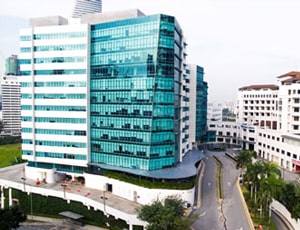
Prince Court Medical Centre
Kuala Lumpur, Malaysia
Number of Beds: 277
Year of Establishment: 2007
The infertility department at Prince Court Medical Centre in Malaysia assists couples with difficulty conceiving naturally. It assesses both male and female reproductive organs to detect reasons like hormonal imbalance, PCOS, low sperm count, tubal blockage, or age-related decrease in fertility. Tests conducted for infertility include hormone assays, semen analysis, ultrasound, hysterosalpingography, and laparoscopy.
The treatments range from ovulation induction and intrauterine insemination (IUI) to advanced assisted reproductive technology (ART) like IVF, ICSI, and freezing of embryos. Counselling and emotional support are an integral part of the process. The department comprises reproductive endocrinologists, embryologists, and counsellors who formulate customised treatment plans in Malaysia.
- Accreditation

Please Enquire
- Excellence in Healthcare Services in 2019 - Awarded by APAC Insider for Parkway Pantai's exceptional healthcare services and high patient satisfaction.
- Best Healthcare Brand in 2018 - Awarded by Influential Brands for Parkway Pantai's contribution to the healthcare industry and patient care.
- Best Hospital Group in 2017 - Awarded by HR Asia for Parkway Pantai's commitment to employee welfare and development, which ultimately benefits the patients.
- Best Private Healthcare Provider in Asia-Pacific in 2016 - Awarded by Global Health and Travel for Parkway Pantai's exceptional healthcare services and facilities.
- Best Healthcare Provider in Southeast Asia in 2015 - Awarded by MIMS for Parkway Pantai's exceptional medical services, innovative technology, and patient care
- Accreditation


Sunway Medical Centre
Kuala Lumpur, Malaysia
Number of Beds: 724
Year of Establishment: 1999
Comprehensive reproductive care is provided by Sunway Medical Center's Fertility Centre in Kuala Lumpur, which includes cryopreservation, intrauterine insemination (IUI), intracytoplasmic sperm injection (ICSI), in-vitro fertilisation (IVF), and pre-implantation genetic testing (PGT).
With cutting-edge technology like intracytoplasmic morphologically chosen sperm injection (IMSI), endometrial receptivity analysis (ERA), and time-lapse imaging, the centre can guarantee high success rates and individualised treatment regimens.
The centre, which has been accredited by the Reproductive Technology Accreditation Committee (RTAC) since 2023, complies with strict guidelines for reproductive healthcare.
- Accreditation


Parkcity Medical Centre in Kuala Lumpur offers comprehensive infertility services, combining advanced reproductive technologies with personalised care to support individuals and couples facing fertility challenges. Services include fertility assessments for both men and women, ovulation induction, intrauterine insemination (IUI), in vitro fertilization (IVF), intracytoplasmic sperm injection (ICSI), and surgical interventions for fertility-related conditions. The fertility team comprises experienced gynaecologists, reproductive specialists, and embryologists, working in state-of-the-art lab facilities. Parkcity Medical Centre emphasises a compassionate, patient-centred approach, guiding patients through every stage of their fertility journey with expert care and emotional support to maximise the chances of successful conception.
ParkCity Medical Centre in Kuala Lumpur has been JCI-accredited and holds MSQH accreditation. The centre maintains high standards of care and offers treatment for vascular and thoracic conditions, ensuring quality outcomes and patient satisfaction.
- Accreditation

Subang Jaya Medical Centre
Kuala Lumpur, Malaysia
Number of Beds: 442
Year of Establishment: 1985
Subang Jaya Medical Centre (SJMC) in Kuala Lumpur offers comprehensive infertility services, combining advanced reproductive technologies with personalised care to support individuals and couples facing fertility challenges. Services include fertility assessments for both men and women, ovulation induction, intrauterine insemination (IUI), in vitro fertilization (IVF), intracytoplasmic sperm injection (ICSI), and surgical interventions for fertility-related conditions. The fertility team comprises experienced gynaecologists, reproductive specialists, and embryologists, working in state-of-the-art lab facilities. SJMC emphasises a compassionate, patient-centred approach, guiding patients through every stage of their fertility journey with expert care and emotional support to maximise the chances of successful conception.
Subang Jaya Medical Centre (SJMC) in Kuala Lumpur is accredited by Joint Commission International (JCI) and ISO, reflecting its commitment to global healthcare standards.
- Accreditation
Please Enquire

- Healthcare Asia: Employee Engagement of the Year (2019)
- Paediatric Service Provider of the Year in Asia-Pacific (2021)
- Obstetrics and Gynaecology Service Provider of the Year in Asia-Pacific (2024)
- Women and Children Specialist Provider of the Year in Asia-Pacific (2024)
- Advanced Paediatric Service Provider of the Year in Asia-Pacific (2024)
- Gold Class 1 Award for excellence and organisational performance.

Damansara Specialist Hospital 2 (DSH2), Kuala Lumpur
Kuala Lumpur, Malaysia
Number of Beds: 132
Ask your healthcare adviser for the best multiple options and choose the one that meets your expectations
Request for an Expert Opinion

Many couples choose infertility hospitals in Malaysia because they offer world-class treatments at affordable prices. These hospitals are equipped with advanced technologies and led by internationally trained doctors. Patients receive personalised care in a comfortable and private setting, helping them feel supported throughout their fertility journey. The country’s reputation for medical excellence continues to attract hopeful parents from around the world.
What makes Malaysia stand out is the balance between high success rates and compassionate care. Unlike many Western countries, there’s no long waiting time, and treatment costs are transparent and budget-friendly. Hospitals here adhere to international medical standards and offer a more relaxing and stress-free environment. This combination makes Malaysia a trusted destination for fertility care.
Why Choose an Infertility Hospital in Malaysia?
Here are some simple reasons why you should go to an Infertility Hospital in Malaysia:
- Cutting-Edge Treatments: Infertility hospitals in Malaysia offer the latest procedures like Intrauterine Insemination (IUI) and In Vitro Fertilisation (IVF), with excellent success rates.
- Skilled Professionals: Patients are cared for by highly trained fertility specialists who provide tailored guidance throughout the entire process.
- Cost-Effective Care: Compared to many Western countries, the cost of infertility treatments in Malaysia is much more affordable, making it an excellent option for medical tourism.
- Comprehensive Assistance: International patients receive full support, including help with language, travel, and comfortable recovery accommodations.
- Welcoming Environment: The hospitals prioritise creating a compassionate, stress-free experience for patients, ensuring they feel cared for at every step.
Common Infertility Treatments
International Patient Support for Infertility in Malaysia
Leading Infertility hospitals in Malaysia give special care to international patients, making the journey smooth and stress-free. These services include:.
- Visa Assistance: We provide help with visa processing to make your travel to Malaysia easy and hassle-free.
- Language Support: Dedicated interpreters and multilingual staff to ensure clear communication throughout your treatment.
- Airport Pickup: Convenient transportation services from the airport to your accommodation and the hospital.
- Comfortable Accommodation: Assistance in booking comfortable stays that suit your needs during treatment and recovery.
- Post-Treatment Support: Continuous follow-up care, including consultations and guidance, even after you return home.
- Personalised Care: Each patient receives an individualised care plan to ensure a smooth and personalised experience during their treatment.
Patient Stories
More Related Information
Top rated hospitals in other destinations are:
- Singapore
- Mount Elizabeth Hospital, Mount Elizabeth
- Gleneagles Hospital, Napier Road
- Farrer Park Hospital, Connexion
- Thomson Medical Center, Thomson Road
- Mount Elizabeth Novena Hospital, Novena
- Switzerland
- India
- Medicover Fertility, Chandigarh, Chandigarh
- Apollo Hospital, Chennai
- Clear Medi Hospital, Delhi
- Primus Hospital, Delhi / NCR
- Millennium Cancer Center, Gurugram
- Lithuania
- Morocco
FAQ's Related to Malaysia
The hospitals in Malaysia have shown tremendous improvements in the last ten years and are now on par with well-developed countries, having both well-trained staff and excellent hospital facilities. These hospitals are supported by the latest medical technologies and superior infrastructure, ensuring world-class treatment. Malaysia has many reputed hospital groups, such as Gleneagles Hospital, Kuala Lumpur; and KPJ Ampang Puteri Specialist Hospital, Ampang; Beverly Wilshire Medical Group, Kuala Lumpur; Parkway Pantai, Kuala Lumpur. The Malaysian government extends large support to hospitals through boosting investments in medical infrastructure.
In Malaysia, most hospitals are accredited by Malaysian Society for Quality in Health (MSQH) and JCI. There is a strict evaluation process for receiving healthcare accreditation in Malaysia and the interested hospitals have to meet all the requirements set by the accreditation bodies. Total 12 hospitals in Malaysia have JCI certification and each of them complies with the global standards. MSQH, Malaysia’s Ministry of Health, Association of Private Hospitals Malaysia and Malaysian Medical Association have come together to raise the standards of healthcare in Malaysia.
Slowly overtaking many other countries as a medical tourism destination, Malaysia is offering affordable healthcare services with cutting-edge technology and skilled professionals. Malaysia is also popular among medical tourists because of its food, cultural diversity, and heritage spots. Malaysia is attracting a large number of medical tourists every year for cardiology and fertility treatments. Solid public-private healthcare collaboration and governmental participation have contributed to a strongly-built healthcare system in Malaysia, making it one of the most favored destinations for medical tourists.
Although the doctors in Malaysia have expertise in performing a wide range of procedures, they have delivered excellent results in IVF and cardiology. Malaysia produces one of the finest doctors in the world because it has a strict evaluation process for offering medical degrees, and also the doctors need to serve in the public sector for at least 3 years, making them attain a high level of professionalism. The doctors in Malaysia have deep expertise in their specialty area and most of them are trained internationally before they start work in their home country. The good quality of doctors in Malaysia is mainly attributed to their receiving education and training at reputed universities in the country and around the world.
Medical tourists under Malaysian Healthcare Travellers Program (MHTP) are eligible for applying for eVISA for traveling to Malaysia and living in the country for a period of 30 days. Maximum two persons can accompany the patient under separate Medical Attendant Visas and their visa validity will be the same as Medical Visa. eVISA remains valid for 3 months and it can be availed through online platforms. A candidate would require below things to apply for an eVisa.
- Medical certificate issued by the registered
- medical practitioner
- Two recent passport size photographs
- Valid passport
- Details of the person travelling
- Two blank pages on the passport
- Travelling and accommodation details
- Civil status certificate
Malaysia has also reported great achievements in orthopedic surgeries and some of the popular procedures include hip replacement, shoulder replacement, knee replacement surgery. The popular procedures available in Malaysia are cosmetic surgery, vitiligo treatment, cancer care, dental work, discectomy, prostate surgery. With a high success rate of 55 to 60, IVF in Malaysia is much affordable and performed using the latest technology. Malaysia has effectively treated a large number of cancer patients through gene therapy which brings several benefits like reduced treatment costs, shorter treatment time, and minimal adverse effects of current chemo-drugs.
Some other reasons why these cities have become the world’s epicenter of medical tourism are a large number of quality hospitals, rich culture, scenic value, and availability of translators, and safety of tourists. Kuala Lumpur and Penang attract most of the medical tourists due to their excellent public transportation system, availability of cheap accommodation, and connectivity through airlines. Backed by world-class hospitals with highly professional and talented hospitals and modern infrastructure, Malaysia delivers unmatched treatment. Some of the leading medical tourism destinations in Malaysia are Malacca, Kuala Lumpur, Kota Kinabalu, Ampang, and Penang.
Yes, some vaccines are recommended or required for Malaysia and these are:
- Hepatitis A,
- Covid
- Hepatitis B,
- Typhoid
- Yellow fever
- Japanese encephalitis
- Rabies
- Meningitis
- Polio
- Measles