Browse verified doctors or let our care team help you find the doctor best suited to your condition, treatment goals, and budget.

Choosing Amrita Hospital for Adrenalectomy gives patients access to experienced adrenal surgeons, advanced imaging facilities, and comprehensive perioperative endocrine care. Established in 2022, the NABH hospital in Faridabad, India has 2600 beds and provides specialized surgical services.
Adrenalectomy may be recommended when an adrenal mass is hormonally active, suspicious for malignancy, growing significantly, or causing symptoms. Before surgery, physicians evaluate the adrenal lesion using hormonal testing and imaging studies to determine the appropriate surgical approach. Selected patients may undergo minimally invasive adrenalectomy, which can involve laparoscopic or robotic techniques, while larger or invasive tumors may require open surgery. Following the procedure, patients are monitored for hormonal changes and other postoperative concerns, with hormone replacement provided when clinically necessary.
Sagrat Cor University Hospital provides specialized Adrenalectomy with a focus on precise tumor removal, minimally invasive surgery where appropriate, hormonal management, and comprehensive postoperative care. Established in 1970, the hospital is located in Barcelona, Spain, and operates 323 beds, with modern surgical and endocrine infrastructure.
Adrenalectomy is performed to remove one or, in selected circumstances, both adrenal glands when affected by a tumor or other significant adrenal disorder. The surgical approach depends on the tumor's size, location, hormonal activity, and suspected pathology. Laparoscopic or robotic adrenalectomy may be appropriate for selected benign lesions, while open surgery may be required for larger or potentially malignant tumors. Preoperative endocrine assessment is particularly important for hormone-secreting tumors, and postoperative monitoring helps manage changes in hormone levels and support recovery.
The Alexandra Hospital offers advanced Adrenalectomy using modern surgical techniques and internationally accepted treatment protocols. Established in 1981, the NABH hospital is located in Cheadle, United Kingdom and it has adequate bed capacity, providing comprehensive surgical and endocrine care for local and international patients.
Adrenalectomy is a surgical procedure to remove one or both adrenal glands, which are located above the kidneys and produce important hormones. It may be recommended for adrenal tumors, hormone-producing adrenal disorders, adrenal cancer, or certain large or suspicious adrenal masses. Depending on the size, location, and nature of the condition, the procedure may be performed using minimally invasive laparoscopic or robotic surgery or through open surgery. Hormonal evaluation and imaging are generally performed before surgery to assess adrenal function and plan treatment.
Memorial Sisli Hospital offers advanced Adrenalectomy using modern surgical techniques and internationally accepted treatment protocols. Established in 2000, the JCI, NABH hospital is located in Istanbul, Turkey and has 252 beds, providing comprehensive surgical and endocrine care for local and international patients.
Adrenalectomy is a surgical procedure to remove one or both adrenal glands, which are located above the kidneys and produce important hormones. It may be recommended for adrenal tumors, hormone-producing adrenal disorders, adrenal cancer, or certain large or suspicious adrenal masses. Depending on the size, location, and nature of the condition, the procedure may be performed using minimally invasive laparoscopic or robotic surgery or through open surgery. Hormonal evaluation and imaging are generally performed before surgery to assess adrenal function and plan treatment.
Aster Medcity provides specialized Adrenalectomy with a focus on precise tumor removal, minimally invasive surgery where appropriate, hormonal management, and comprehensive postoperative care. Established in 2013, the NABH, JCIhospital is located in Kochi, India, and operates 670 beds, with modern surgical and endocrine infrastructure.
Adrenalectomy is performed to remove one or, in selected circumstances, both adrenal glands when affected by a tumor or other significant adrenal disorder. The surgical approach depends on the tumor's size, location, hormonal activity, and suspected pathology. Laparoscopic or robotic adrenalectomy may be appropriate for selected benign lesions, while open surgery may be required for larger or potentially malignant tumors. Preoperative endocrine assessment is particularly important for hormone-secreting tumors, and postoperative monitoring helps manage changes in hormone levels and support recovery.
Medicana Camlica Hospital is a trusted healthcare provider for Adrenalectomy, offering specialised adrenal surgery supported by experienced endocrine surgeons, urologists, endocrinologists, and anesthesiologists, as well as modern surgical infrastructure. Established in 1999, the ISO, JCI hospital is situated in Istanbul, Turkey and has 113 beds.
Adrenalectomy aims to remove an abnormal or diseased adrenal gland while managing the patient's hormonal requirements before and after surgery. The procedure may be required for conditions such as functioning adrenal tumors, adrenal cortical tumors, pheochromocytoma, or suspected adrenal malignancy. Treatment planning involves detailed imaging and biochemical testing to determine whether the tumor is producing hormones and to assess its relationship with nearby structures. Postoperative monitoring may include blood pressure, electrolyte, and hormone assessment, particularly after removal of a functioning tumor or both adrenal glands.
Aakash Healthcare Super Speciality Hospital provides specialized Adrenalectomy with a focus on precise tumor removal, minimally invasive surgery where appropriate, hormonal management, and comprehensive postoperative care. Established in 2011, the NABH, ISOhospital is located in Delhi, India, and operates 230 beds, with modern surgical and endocrine infrastructure.
Adrenalectomy is performed to remove one or, in selected circumstances, both adrenal glands when affected by a tumor or other significant adrenal disorder. The surgical approach depends on the tumor's size, location, hormonal activity, and suspected pathology. Laparoscopic or robotic adrenalectomy may be appropriate for selected benign lesions, while open surgery may be required for larger or potentially malignant tumors. Preoperative endocrine assessment is particularly important for hormone-secreting tumors, and postoperative monitoring helps manage changes in hormone levels and support recovery.
Pushpawati Singhania Research Institute offers advanced Adrenalectomy using modern surgical techniques and internationally accepted treatment protocols. Established in 1996, the NABH, NABL hospital is located in Delhi, India and has 201 beds, providing comprehensive surgical and endocrine care for local and international patients.
Adrenalectomy is a surgical procedure to remove one or both adrenal glands, which are located above the kidneys and produce important hormones. It may be recommended for adrenal tumors, hormone-producing adrenal disorders, adrenal cancer, or certain large or suspicious adrenal masses. Depending on the size, location, and nature of the condition, the procedure may be performed using minimally invasive laparoscopic or robotic surgery or through open surgery. Hormonal evaluation and imaging are generally performed before surgery to assess adrenal function and plan treatment.
At Hisar Intercontinental Hospital, Adrenalectomy is performed using advanced minimally invasive and open surgical techniques, with personalised treatment plans tailored to the patient's adrenal condition. Established in 2005, this JCI hospital in Istanbul, Turkey has 170 beds and provides comprehensive endocrine and surgical services.
Adrenalectomy may be considered for patients with adrenal tumors that produce excess hormones, show suspicious characteristics, or cause significant symptoms. It may also be used in selected cases of adrenal cancer or other adrenal disorders. Before surgery, doctors may perform hormonal blood or urine tests and imaging, such as CT or MRI, to evaluate the adrenal glands. Depending on the clinical situation, the affected gland may be removed through laparoscopic, robotic, or open surgery.
Dubai, United Arab Emirates
Choosing NMC Specialty Hospital, Al Nahda for Adrenalectomy gives patients access to experienced adrenal surgeons, advanced imaging facilities, and comprehensive perioperative endocrine care. Established in 2004, the JCI hospital in Dubai, United Arab Emirates has 187 beds and provides specialized surgical services.
Adrenalectomy may be recommended when an adrenal mass is hormonally active, suspicious for malignancy, growing significantly, or causing symptoms. Before surgery, physicians evaluate the adrenal lesion using hormonal testing and imaging studies to determine the appropriate surgical approach. Selected patients may undergo minimally invasive adrenalectomy, which can involve laparoscopic or robotic techniques, while larger or invasive tumors may require open surgery. Following the procedure, patients are monitored for hormonal changes and other postoperative concerns, with hormone replacement provided when clinically necessary.
NMC Specialty Hospital is a trusted healthcare provider for Adrenalectomy, offering specialised adrenal surgery supported by experienced endocrine surgeons, urologists, endocrinologists, and anesthesiologists, as well as modern surgical infrastructure. Established in 1975, the JCI, NABH hospital is situated in Abu Dhabi, United Arab Emirates and has 104 beds.
Adrenalectomy aims to remove an abnormal or diseased adrenal gland while managing the patient's hormonal requirements before and after surgery. The procedure may be required for conditions such as functioning adrenal tumors, adrenal cortical tumors, pheochromocytoma, or suspected adrenal malignancy. Treatment planning involves detailed imaging and biochemical testing to determine whether the tumor is producing hormones and to assess its relationship with nearby structures. Postoperative monitoring may include blood pressure, electrolyte, and hormone assessment, particularly after removal of a functioning tumor or both adrenal glands.
Ajman, United Arab Emirates
Thumbay University Hospital, Ajman provides specialized Adrenalectomy with a focus on precise tumor removal, minimally invasive surgery where appropriate, hormonal management, and comprehensive postoperative care. Established in 2002, the JCIhospital is located in Ajman, United Arab Emirates, and operates 350 beds, with modern surgical and endocrine infrastructure.
Adrenalectomy is performed to remove one or, in selected circumstances, both adrenal glands when affected by a tumor or other significant adrenal disorder. The surgical approach depends on the tumor's size, location, hormonal activity, and suspected pathology. Laparoscopic or robotic adrenalectomy may be appropriate for selected benign lesions, while open surgery may be required for larger or potentially malignant tumors. Preoperative endocrine assessment is particularly important for hormone-secreting tumors, and postoperative monitoring helps manage changes in hormone levels and support recovery.
Medical Park Karadeniz Hospital is a trusted healthcare provider for Adrenalectomy, offering specialised adrenal surgery supported by experienced endocrine surgeons, urologists, endocrinologists, and anesthesiologists, as well as modern surgical infrastructure. Established in 2007, the JCI hospital is situated in Trabzon, Turkey and has 112 beds.
Adrenalectomy aims to remove an abnormal or diseased adrenal gland while managing the patient's hormonal requirements before and after surgery. The procedure may be required for conditions such as functioning adrenal tumors, adrenal cortical tumors, pheochromocytoma, or suspected adrenal malignancy. Treatment planning involves detailed imaging and biochemical testing to determine whether the tumor is producing hormones and to assess its relationship with nearby structures. Postoperative monitoring may include blood pressure, electrolyte, and hormone assessment, particularly after removal of a functioning tumor or both adrenal glands.
Meliva Kardiolita Hospital, Kaunas is a trusted healthcare provider for Adrenalectomy, offering specialised adrenal surgery supported by experienced endocrine surgeons, urologists, endocrinologists, and anesthesiologists, as well as modern surgical infrastructure. Established in 1998, the JCI hospital is situated in Kaunas, Lithuania and has 8 beds.
Adrenalectomy aims to remove an abnormal or diseased adrenal gland while managing the patient's hormonal requirements before and after surgery. The procedure may be required for conditions such as functioning adrenal tumors, adrenal cortical tumors, pheochromocytoma, or suspected adrenal malignancy. Treatment planning involves detailed imaging and biochemical testing to determine whether the tumor is producing hormones and to assess its relationship with nearby structures. Postoperative monitoring may include blood pressure, electrolyte, and hormone assessment, particularly after removal of a functioning tumor or both adrenal glands.
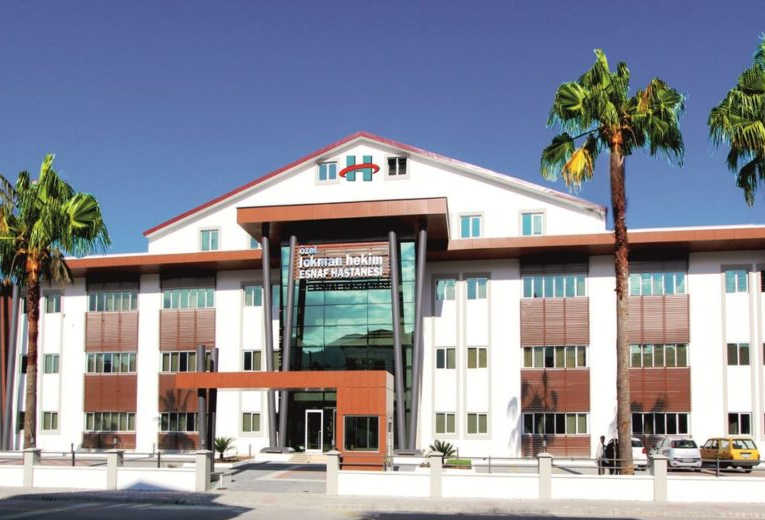
Lokman Hekim Esnaf Hospital is a trusted healthcare provider for Adrenalectomy, offering specialised adrenal surgery supported by experienced endocrine surgeons, urologists, endocrinologists, and anesthesiologists, as well as modern surgical infrastructure. Established in 1997, the JCI hospital is situated in Fethiye, Turkey and has 75 beds.
Adrenalectomy aims to remove an abnormal or diseased adrenal gland while managing the patient's hormonal requirements before and after surgery. The procedure may be required for conditions such as functioning adrenal tumors, adrenal cortical tumors, pheochromocytoma, or suspected adrenal malignancy. Treatment planning involves detailed imaging and biochemical testing to determine whether the tumor is producing hormones and to assess its relationship with nearby structures. Postoperative monitoring may include blood pressure, electrolyte, and hormone assessment, particularly after removal of a functioning tumor or both adrenal glands.