Browse verified doctors or let our care team help you find the doctor best suited to your condition, treatment goals, and budget.

Wockhardt Hospital - A new Age Hospital offers advanced EPS & RFA using modern electrophysiology technology and internationally accepted treatment protocols. Established in 2014, the NABH, NABL, JCI accredited hospital is located in Mumbai, India and has 350 beds, providing comprehensive cardiac care for local and international patients.
EPS & RFA is commonly used to diagnose and treat certain abnormal heart rhythms, known as arrhythmias. During an electrophysiology study (EPS), thin catheters are inserted through a blood vessel to record the heart's electrical activity and identify the source of the abnormal rhythm. If appropriate, radiofrequency ablation (RFA) may then be performed using controlled heat energy to destroy the small area of heart tissue responsible for the arrhythmia.
Seven Hills Hospital offers advanced EPS & RFA using modern electrophysiology technology and internationally accepted treatment protocols. Established in 1986, the NABH, NABL, JCI accredited hospital is located in Mumbai, India and has 1500 beds, providing comprehensive cardiac care for local and international patients.
EPS & RFA is commonly used to diagnose and treat certain abnormal heart rhythms, known as arrhythmias. During an electrophysiology study (EPS), thin catheters are inserted through a blood vessel to record the heart's electrical activity and identify the source of the abnormal rhythm. If appropriate, radiofrequency ablation (RFA) may then be performed using controlled heat energy to destroy the small area of heart tissue responsible for the arrhythmia.
Chennai, India
Sri Ramachandra Medical Centre is a trusted healthcare provider for EPS & RFA, offering modern electrophysiology services supported by experienced cardiologists and advanced cardiac infrastructure. Established in 1985, the JCI, NABH accredited hospital is situated in Chennai, India and has 1800 beds.
EPS & RFA combines an electrophysiology study with catheter ablation to evaluate and treat selected heart rhythm disorders. The electrophysiology study helps specialists determine how electrical signals travel through the heart and locate the source of an abnormal rhythm. If the identified rhythm is suitable for ablation, radiofrequency energy is applied to the responsible tissue to interrupt the abnormal electrical pathway. Patients are assessed before the procedure and monitored during recovery.
Delhi, India
Max Smart Super Speciality Hospital offers advanced EPS & RFA using modern electrophysiology technology and internationally accepted treatment protocols. Established in 2012, the JCI, NABH accredited hospital is located in Delhi, India and has 250 beds, providing comprehensive cardiac care for local and international patients.
EPS & RFA is commonly used to diagnose and treat certain abnormal heart rhythms, known as arrhythmias. During an electrophysiology study (EPS), thin catheters are inserted through a blood vessel to record the heart's electrical activity and identify the source of the abnormal rhythm. If appropriate, radiofrequency ablation (RFA) may then be performed using controlled heat energy to destroy the small area of heart tissue responsible for the arrhythmia.
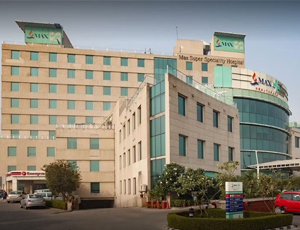
Choosing Max Super Specialty Hospital, Shalimar Bagh for EPS & RFA gives patients access to experienced electrophysiologists, advanced cardiac technology, and comprehensive medical care. Established in 2011, the NABH, NABL accredited hospital in Delhi, India has 402 beds and provides specialized cardiovascular services.
EPS & RFA can be used in the management of several types of arrhythmias, including certain supraventricular tachycardias and other rhythm disorders that are suitable for catheter ablation. During EPS, specialized catheters record electrical activity within the heart and may help reproduce the abnormal rhythm under controlled conditions. Once the source is identified, RFA can be used to deliver thermal energy to the targeted tissue. Follow-up care helps assess heart rhythm and recovery after treatment.
Amrita Hospital provides specialized EPS & RFA with a focus on patient safety, accurate diagnosis, and effective management of heart rhythm disorders. Established in 2022, the NABH accredited hospital is located in Faridabad, India and operates 2600 beds with modern healthcare infrastructure.
EPS & RFA is a catheter-based approach used to investigate and treat selected cardiac arrhythmias. The EPS component allows the electrophysiology team to assess the heart's electrical system and identify abnormal conduction pathways. When appropriate, RFA is performed by directing radiofrequency energy through a catheter to the area causing the abnormal rhythm. Before treatment, specialists review the patient's symptoms, medical history, ECG findings, and other relevant tests to determine whether EPS and RFA are suitable.
Aster Medcity is a trusted healthcare provider for EPS & RFA, offering modern electrophysiology services supported by experienced cardiologists and advanced cardiac infrastructure. Established in 2013, the NABH, JCI accredited hospital is situated in Kochi, India and has 670 beds.
EPS & RFA combines an electrophysiology study with catheter ablation to evaluate and treat selected heart rhythm disorders. The electrophysiology study helps specialists determine how electrical signals travel through the heart and locate the source of an abnormal rhythm. If the identified rhythm is suitable for ablation, radiofrequency energy is applied to the responsible tissue to interrupt the abnormal electrical pathway. Patients are assessed before the procedure and monitored during recovery.
At Aakash Healthcare Super Speciality Hospital, EPS & RFA is performed using advanced cardiac mapping and catheter-based techniques with personalized treatment plans. Established in 2011, this NABH, ISO accredited hospital in Delhi, India has 230 beds and offers comprehensive cardiovascular services.
EPS & RFA may be recommended for patients with recurrent or symptomatic abnormal heart rhythms, particularly when medication does not adequately control the condition. EPS helps cardiologists identify the type and location of the arrhythmia by studying the heart's electrical signals. When ablation is appropriate, RFA uses heat energy delivered through a catheter to create small areas of scar tissue that block abnormal electrical signals and help restore a more regular heart rhythm.
At Pushpawati Singhania Research Institute, EPS & RFA is performed using advanced cardiac mapping and catheter-based techniques with personalized treatment plans. Established in 1996, this NABH, NABL accredited hospital in Delhi, India has 201 beds and offers comprehensive cardiovascular services.
EPS & RFA may be recommended for patients with recurrent or symptomatic abnormal heart rhythms, particularly when medication does not adequately control the condition. EPS helps cardiologists identify the type and location of the arrhythmia by studying the heart's electrical signals. When ablation is appropriate, RFA uses heat energy delivered through a catheter to create small areas of scar tissue that block abnormal electrical signals and help restore a more regular heart rhythm.
Rajagiri Hospital offers advanced EPS & RFA using modern electrophysiology technology and internationally accepted treatment protocols. Established in 2014, the JCI accredited hospital is located in Kochi, India and it has adequate bed capacity, providing comprehensive cardiac care for local and international patients.
EPS & RFA is commonly used to diagnose and treat certain abnormal heart rhythms, known as arrhythmias. During an electrophysiology study (EPS), thin catheters are inserted through a blood vessel to record the heart's electrical activity and identify the source of the abnormal rhythm. If appropriate, radiofrequency ablation (RFA) may then be performed using controlled heat energy to destroy the small area of heart tissue responsible for the arrhythmia.
Choosing Marengo Asia Hospitals, Faridabad for EPS & RFA gives patients access to experienced electrophysiologists, advanced cardiac technology, and comprehensive medical care. Established in 2007, the NABH, NABL accredited hospital in Faridabad, India has 325 beds and provides specialized cardiovascular services.
EPS & RFA can be used in the management of several types of arrhythmias, including certain supraventricular tachycardias and other rhythm disorders that are suitable for catheter ablation. During EPS, specialized catheters record electrical activity within the heart and may help reproduce the abnormal rhythm under controlled conditions. Once the source is identified, RFA can be used to deliver thermal energy to the targeted tissue. Follow-up care helps assess heart rhythm and recovery after treatment.
At Marengo Asia Hospitals, Gurugram, EPS & RFA is performed using advanced cardiac mapping and catheter-based techniques with personalized treatment plans. Established in 2022, this NABH, NABL accredited hospital in Gurgaon, India has 250 beds and offers comprehensive cardiovascular services.
EPS & RFA may be recommended for patients with recurrent or symptomatic abnormal heart rhythms, particularly when medication does not adequately control the condition. EPS helps cardiologists identify the type and location of the arrhythmia by studying the heart's electrical signals. When ablation is appropriate, RFA uses heat energy delivered through a catheter to create small areas of scar tissue that block abnormal electrical signals and help restore a more regular heart rhythm.
Choosing Jaslok Hospital & Research Center for EPS & RFA gives patients access to experienced electrophysiologists, advanced cardiac technology, and comprehensive medical care. Established in 1973, the NABH, JCI accredited hospital in Mumbai, India has 350 beds and provides specialized cardiovascular services.
EPS & RFA can be used in the management of several types of arrhythmias, including certain supraventricular tachycardias and other rhythm disorders that are suitable for catheter ablation. During EPS, specialized catheters record electrical activity within the heart and may help reproduce the abnormal rhythm under controlled conditions. Once the source is identified, RFA can be used to deliver thermal energy to the targeted tissue. Follow-up care helps assess heart rhythm and recovery after treatment.


Mr. Hailu Kassa underwent Coronary Artery Bypass Surgery in Vejthani Hospital, Thailand under the supervision of Dr. Piya, Cardio-Thoracic Surgeon

Patient Testimonial: Rod Schaubroeck from United States (U.S.A) underwent heart valve replacement at Fortis Hospital, India
| Speciality | Cardiac Sciences |
| Procedure | EPS & RFA |
| Success Rate | 90-95% |
| Recovery Time | 1 Day |
| Treatment Time | 1 to 2 hours |
| Chances of Recurrence | 5-10% |
Hospitals in India have one of the best technologies for performing Electrophysiology Studies (EPS) & Radiofrequency Ablation (RFA), including 3D mapping, ablation catheters and real-time imaging, including fluoroscopy and intracardiac echocardiography. They also do not use complicated procedures and use constant cardiac monitoring when doing any procedure to avoid complications. Supported by officialising a patent list of electrophysiologists and internationally accredited hospitals, the treatment of arrhythmias is comprehensive and advanced.
Some factors differentiating the finest hospitals for the EPS and RFA in India are expert electrophysiologists, newer technologies such as endocardial 3D mapping systems and radiofrequency ablation catheters, and an emphasis on a patient care-centric approach. Other benefits of these hospitals include individually tailored approaches, small invasion, and exceptional pre and post-operative support. This is also true with a high percentage of success, international recognition of educational standards, and availability of sophisticated equipment. Moreover, low treatment costs and available assistance to foreign patients put these hospitals at the top of electrophysiology and arrhythmia programs.
EPS and RFA are generally productive in India, with most specialised centres having high success rates of about 85% to 95% or more, given the cardiac disorders and the patient’s general health. These procedures are considered efficacious in managing almost all arrhythmias, including atrial fibrillation, supraventricular tachycardia (SVT), and ventricular tachycardia.
It also offers a list of listed EPS & RFA providers in India with verified and accredited healthcare facilities through the MediGence platform providing quality treatment. Also, resources for learning expertise, success rates and other information about cardiologists will be provided. It gives comprehensive information that helps patients to be referred to the right cardiologist, thus mapping them to a highly informed and efficient healthcare experience.
A few of the best hospitals for EPS & RFA in India are as follows:
The cost of EPS & RFA in India typically ranges from (USD 4000 - 5000), depending on the hospital location, surgeon's expertise, and the procedure's complexity.
Yes, EPS & RFA in India does include complete treatment solutions for overseas visitors. Numerous healthcare organisations nationwide are conversant with medical tourism and have individual services to cater to international clients. These services often include:
The risks of EPS and RFA procedures in India are comparable to those in other countries; however, the availability of modern technology and a skilled team of doctors in some of the hospitals in India generally report low complication rates. Nevertheless, as with any surgery, danger is always involved, including the following. Here are some of the key risks:
A quick recovery is seen post-EPS and RFA in India. Most patients are observed for 6–24 postoperative hours and can regain normal ambulation within 3–5 days, though heavy activities should be avoided for 1–2 weeks. Hospital stay: About 7-10 days Follow-up appointments for patients are usually scheduled 1-2 weeks after discharge and then again at 2 months, 4 months and 6 months after onset of packed cell anaemia. In some cases, patients may experience slight soreness or swelling at the catheter insertion site, but most patients experience substantial freedom from arrhythmia complaints in 1-3 months. It must be noted that the fundamentals of any success are adhering to the given lifestyle advice and follow-up regimen.
To receive a teleconsultation with a cardiologist before planning your trip to India to undergo EPS & RFA, use the Medigence platform. All it takes is a callback from a specialist, a diagnosis, and learning about treatments and procedures available to you from the comfort of your home. This way, you can make the right choices and may not doubt your treatment choice.
Surgery for post-operative care after electrophysiology studies (EPS) and radiofrequency ablation (RFA) in India includes a treatment plan to recover quickly and avoid the risks involved. Here's an overview of the typical post-operative care process:
India is a popular choice for EPS & RFA because of several factors:
First, the patient will be asked to complete an online contact form on our site. Once submitted, MediGence will contact you to help fix your EPS & RFA in India. With us, you will know which hospital to go to, you will see a doctor of your choice, and we will support you step by step. Enrollment is our guideline, with the help of which we help you receive the required documents and coordinate your treatment schedule so you can have comfort all the time from the day of registration up to the day of discharge from the hospital.
Patients flying to India for EPS and RFA should not expect an ill-planned procedure during a hospital visit. Here’s an outline of what typically happens:
There are other methods for managing arrhythmias besides Electrophysiology Studies (EPS) and Radiofrequency Ablation (RFA) in India. These may be used depending on the type and the severity of the arrhythmia, as well as the patient’s physical health status. Here are some of the main options:
Pre-Operative Process in India for Electrophysiology Studies (EPS) and Radiofrequency Ablation (RFA) consists of a few necessary steps to decrease complications and ensure the efficient process of the procedure. Here’s a guide on how to prepare:

MediGence managed well and ensured a smooth journey throughout my treatment. Team also assisted me in availing medical visa.