Browse verified doctors or let our care team help you find the doctor best suited to your condition, treatment goals, and budget.

Choosing Life Kingsbury Hospital for EPS & RFA gives patients access to experienced electrophysiologists, advanced cardiac technology, and comprehensive medical care. Established in 1918, the accredited hospital in Cape Town, South Africa has 212 beds and provides specialized cardiovascular services.
EPS & RFA can be used in the management of several types of arrhythmias, including certain supraventricular tachycardias and other rhythm disorders that are suitable for catheter ablation. During EPS, specialized catheters record electrical activity within the heart and may help reproduce the abnormal rhythm under controlled conditions. Once the source is identified, RFA can be used to deliver thermal energy to the targeted tissue. Follow-up care helps assess heart rhythm and recovery after treatment.
Johannesburg, South Africa
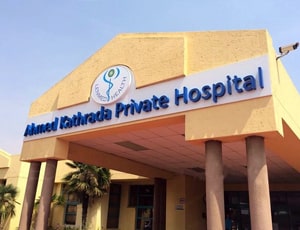
Lenmed Ahmed Kathrada Private Hospital offers advanced EPS & RFA using modern electrophysiology technology and internationally accepted treatment protocols. Established in 1984, the COHSASA, ISQua accredited hospital is located in Johannesburg, South Africa and has 254 beds, providing comprehensive cardiac care for local and international patients.
EPS & RFA is commonly used to diagnose and treat certain abnormal heart rhythms, known as arrhythmias. During an electrophysiology study (EPS), thin catheters are inserted through a blood vessel to record the heart's electrical activity and identify the source of the abnormal rhythm. If appropriate, radiofrequency ablation (RFA) may then be performed using controlled heat energy to destroy the small area of heart tissue responsible for the arrhythmia.
Durban, South Africa
Choosing Lenmed Ethekwini Hospital and Heart Centre for EPS & RFA gives patients access to experienced electrophysiologists, advanced cardiac technology, and comprehensive medical care. Established in 2002, the accredited hospital in Durban, South Africa has 353 beds and provides specialized cardiovascular services.
EPS & RFA can be used in the management of several types of arrhythmias, including certain supraventricular tachycardias and other rhythm disorders that are suitable for catheter ablation. During EPS, specialized catheters record electrical activity within the heart and may help reproduce the abnormal rhythm under controlled conditions. Once the source is identified, RFA can be used to deliver thermal energy to the targeted tissue. Follow-up care helps assess heart rhythm and recovery after treatment.

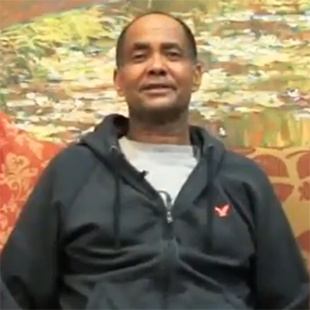
Mr. Hailu Kassa underwent Coronary Artery Bypass Surgery in Vejthani Hospital, Thailand under the supervision of Dr. Piya, Cardio-Thoracic Surgeon

Patient Testimonial: Rod Schaubroeck from United States (U.S.A) underwent heart valve replacement at Fortis Hospital, India
| Speciality | Cardiac Sciences |
| Procedure | EPS & RFA |
| Success Rate | 90-95% |
| Recovery Time | 1 Day |
| Treatment Time | 1 to 2 hours |
| Chances of Recurrence | 5-10% |
EPS (Electrophysiological Study) and RFA (Radiofrequency Ablation) are specialized cardiac procedures used to diagnose and treat abnormal heart rhythms, also known as arrhythmias. During an EPS procedure, small electrodes are placed inside the heart to study the electrical signals. This procedure can identify the source of the arrhythmia. RFA involves using radiofrequency energy to create small scars on the heart tissue, eliminating the abnormal electrical pathways that cause the arrhythmia.
EPS & RFA are commonly used to treat various arrhythmias, including atrial fibrillation, atrial flutter, supraventricular tachycardia (SVT), and some types of ventricular arrhythmias.
The recovery process after EPS and RFA is generally smooth. Patients are usually monitored closely for a few hours after the procedure. Discharge from the hospital occurs on the same day or the next day in most cases. Patients generally experience mild discomfort or soreness at the catheter insertion site. However, this typically resolves within a few days. Normal activities are usually resumed after a week after the surgery. The doctor advises specific restrictions on heavy lifting or strenuous exercise. Regular follow-up appointments are scheduled to assess the effectiveness of the procedure and monitor the heart's rhythm.
It's a fact that while ranking a hospital, certain factors need to be considered. When it comes to South Africa, the following measures can be used to rank hospitals for EPS & RFA- Popularity of the procedure, Infrastructure, Availability of the treatment, Skilled Medical Professionals, Technology employed, Cost, Facilities Offered, and Success Rate.
MediGence puts forth a lot of effort to make your medical travel of the finest quality, convenient, and affordable for you. We provide a set of unmatched services to assist you in your medical journey to different countries in the world. Just a few of our unmatched caregiving services & benefits are Accommodation or hotel stays, Airport transfers, Care Packages for Recuperation, 24/7 help, Online Consultation, Dedicated Case Manager, and Customized Treatment Packages with an ensured 30% savings. We also provide several additional advantages to help you receive first-rate medical care.
Absolutely! Yes. Before you plan medical travel to South Africa, you can benefit from an efficient & helpful online consultation with the chosen specialist there. While talking to one of our experts, you can request a video consultation appointment. They will get in touch with the doctor to check his/her availability. After receiving confirmation, the appointment will be scheduled and you will receive a payment link to book your session.
EPS & RFA in South Africa is trusted by many people across the world due to the high rate of successful outcomes and world-class hospital infrastructure. There are many additional factors making South Africa the preferred choice for EPS & RFA including:
The severity of the treatment and the patient's general health both influence how long recovery takes after treatment. The patient should make sure to take all rehabilitation sessions and follow postoperative care protocols, among other things, to reduce their recovery time. To speed up recovery, it is advised that the patient maintain regular contact with their surgeon for a few months after surgery.