Browse verified doctors or let our care team help you find the doctor best suited to your condition, treatment goals, and budget.

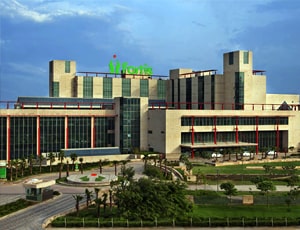
Max Super Speciality Hospital, Saket is a trusted healthcare provider for Device Closure of ASD (Amplatzer Septal Occluder), offering minimally invasive ASD closure supported by experienced interventional cardiologists, congenital heart specialists, advanced catheterization laboratories, and multidisciplinary cardiac care. Established in 2006, the JCI, NABH- accredited hospital is situated in Delhi, India and has 539 beds.
Device Closure of ASD (Amplatzer Septal Occluder) works by placing a self-expanding occlusion device across the atrial septal defect to block the abnormal communication between the atria. The device consists of two discs connected by a central waist that conforms to the defect. Over time, heart tissue grows over the device, helping to establish permanent closure. A detailed cardiac assessment helps determine whether the defect is anatomically suitable for device closure rather than surgical repair.
Gurgaon, India
Fortis Memorial Research Institute provides specialised Device Closure of ASD (Amplatzer Septal Occluder) with a focus on precise defect assessment, advanced transcatheter closure techniques, and individualized congenital cardiac care. Established in 2013, the JCI, NABH, NABL accredited hospital is located in Gurgaon, India and operates 311 beds, with modern interventional cardiology, cardiac imaging, and critical-care infrastructure.
Device Closure of ASD (Amplatzer Septal Occluder) can provide a minimally invasive alternative to open-heart surgery for selected patients with suitable secundum ASDs. Treatment planning considers the defect's size and location, surrounding tissue margins, pulmonary pressures, associated cardiac abnormalities, and the patient's overall health. Detailed echocardiographic assessment, including transesophageal or intracardiac imaging when required, helps the cardiac team select the appropriate device size and determine whether transcatheter closure is a suitable treatment option.
Choosing Asian Institute of Medical Sciences for Device Closure of ASD (Amplatzer Septal Occluder) gives patients access to experienced interventional cardiologists, advanced echocardiography and imaging systems, modern catheterization facilities, and structured post-procedure cardiac care. Established in 2010, the NABL, NABH accredited hospital in Faridabad, India has 425 beds and provides specialized congenital heart disease services.
Device Closure of ASD (Amplatzer Septal Occluder) is typically performed under sedation or general anaesthesia depending on the patient's age and clinical requirements. The catheter carrying the occluder is guided through the vascular system into the heart, where the device is deployed across the ASD after confirming its position and stability. Patients are monitored after the procedure for heart rhythm changes, bleeding at the catheter site, device-related complications, or residual blood flow through the defect. Follow-up echocardiography is used to assess device position and closure.
Manipal Hospital, Gurugram offers advanced Device Closure of ASD (Amplatzer Septal Occluder) using modern interventional cardiology techniques and individualized congenital heart disease care plans. Established in 2008, the NABL, NABH accredited hospital is located in Gurgaon, India and has 380 beds, providing comprehensive cardiac care for local and international patients.
Device Closure of ASD (Amplatzer Septal Occluder) is a minimally invasive procedure used to close a suitable atrial septal defect (ASD), an opening between the upper chambers of the heart. During the procedure, an Amplatzer Septal Occluder is delivered through a catheter and positioned across the defect. Once deployed, the device spans both sides of the opening and helps prevent abnormal blood flow between the atria. The procedure is generally considered for appropriately selected secundum ASDs with suitable anatomy.
Fortis Hospital offers advanced Device Closure of ASD (Amplatzer Septal Occluder) using modern interventional cardiology techniques and individualized congenital heart disease care plans. Established in 2006, the JCI, NABH accredited hospital is located in Mohali, India and has 276 beds, providing comprehensive cardiac care for local and international patients.
Device Closure of ASD (Amplatzer Septal Occluder) is a minimally invasive procedure used to close a suitable atrial septal defect (ASD), an opening between the upper chambers of the heart. During the procedure, an Amplatzer Septal Occluder is delivered through a catheter and positioned across the defect. Once deployed, the device spans both sides of the opening and helps prevent abnormal blood flow between the atria. The procedure is generally considered for appropriately selected secundum ASDs with suitable anatomy.
Bai Jerbai Wadia Hospital for Children is a trusted healthcare provider for Device Closure of ASD (Amplatzer Septal Occluder), offering minimally invasive ASD closure supported by experienced interventional cardiologists, congenital heart specialists, advanced catheterization laboratories, and multidisciplinary cardiac care. Established in 1929, the AACI- accredited hospital is situated in Mumbai, India and has 350 beds.
Device Closure of ASD (Amplatzer Septal Occluder) works by placing a self-expanding occlusion device across the atrial septal defect to block the abnormal communication between the atria. The device consists of two discs connected by a central waist that conforms to the defect. Over time, heart tissue grows over the device, helping to establish permanent closure. A detailed cardiac assessment helps determine whether the defect is anatomically suitable for device closure rather than surgical repair.
Chennai, India
The Madras Institute of Orthopedics and Traumatology offers advanced Device Closure of ASD (Amplatzer Septal Occluder) using modern interventional cardiology techniques and individualized congenital heart disease care plans. Established in 1999, the JCI, NABH accredited hospital is located in Chennai, India and has 1000 beds, providing comprehensive cardiac care for local and international patients.
Device Closure of ASD (Amplatzer Septal Occluder) is a minimally invasive procedure used to close a suitable atrial septal defect (ASD), an opening between the upper chambers of the heart. During the procedure, an Amplatzer Septal Occluder is delivered through a catheter and positioned across the defect. Once deployed, the device spans both sides of the opening and helps prevent abnormal blood flow between the atria. The procedure is generally considered for appropriately selected secundum ASDs with suitable anatomy.
Manipal Hospital, Ghaziabad is a trusted healthcare provider for Device Closure of ASD (Amplatzer Septal Occluder), offering minimally invasive ASD closure supported by experienced interventional cardiologists, congenital heart specialists, advanced catheterization laboratories, and multidisciplinary cardiac care. Established in 2010, the NABH, NABL- accredited hospital is situated in Ghaziabad, India and has 9500 beds.
Device Closure of ASD (Amplatzer Septal Occluder) works by placing a self-expanding occlusion device across the atrial septal defect to block the abnormal communication between the atria. The device consists of two discs connected by a central waist that conforms to the defect. Over time, heart tissue grows over the device, helping to establish permanent closure. A detailed cardiac assessment helps determine whether the defect is anatomically suitable for device closure rather than surgical repair.
VPS Lakeshore Hospital is a trusted healthcare provider for Device Closure of ASD (Amplatzer Septal Occluder), offering minimally invasive ASD closure supported by experienced interventional cardiologists, congenital heart specialists, advanced catheterization laboratories, and multidisciplinary cardiac care. Established in 2003, the NABH, ISO- accredited hospital is situated in Kochi, India and has 350 beds.
Device Closure of ASD (Amplatzer Septal Occluder) works by placing a self-expanding occlusion device across the atrial septal defect to block the abnormal communication between the atria. The device consists of two discs connected by a central waist that conforms to the defect. Over time, heart tissue grows over the device, helping to establish permanent closure. A detailed cardiac assessment helps determine whether the defect is anatomically suitable for device closure rather than surgical repair.
Apollo Multispecialty Hospitals offers advanced Device Closure of ASD (Amplatzer Septal Occluder) using modern interventional cardiology techniques and individualized congenital heart disease care plans. Established in 2003, the JCI, ISO accredited hospital is located in Kolkata, India and has 700 beds, providing comprehensive cardiac care for local and international patients.
Device Closure of ASD (Amplatzer Septal Occluder) is a minimally invasive procedure used to close a suitable atrial septal defect (ASD), an opening between the upper chambers of the heart. During the procedure, an Amplatzer Septal Occluder is delivered through a catheter and positioned across the defect. Once deployed, the device spans both sides of the opening and helps prevent abnormal blood flow between the atria. The procedure is generally considered for appropriately selected secundum ASDs with suitable anatomy.
Apollo Hospital is a trusted healthcare provider for Device Closure of ASD (Amplatzer Septal Occluder), offering minimally invasive ASD closure supported by experienced interventional cardiologists, congenital heart specialists, advanced catheterization laboratories, and multidisciplinary cardiac care. Established in 1983, the JCI- accredited hospital is situated in Chennai, India and has 550 beds.
Device Closure of ASD (Amplatzer Septal Occluder) works by placing a self-expanding occlusion device across the atrial septal defect to block the abnormal communication between the atria. The device consists of two discs connected by a central waist that conforms to the defect. Over time, heart tissue grows over the device, helping to establish permanent closure. A detailed cardiac assessment helps determine whether the defect is anatomically suitable for device closure rather than surgical repair.
Manipal Hospital, Dwarka provides specialised Device Closure of ASD (Amplatzer Septal Occluder) with a focus on precise defect assessment, advanced transcatheter closure techniques, and individualized congenital cardiac care. Established in 2018, the NABH accredited hospital is located in Delhi, India and operates 380 beds, with modern interventional cardiology, cardiac imaging, and critical-care infrastructure.
Device Closure of ASD (Amplatzer Septal Occluder) can provide a minimally invasive alternative to open-heart surgery for selected patients with suitable secundum ASDs. Treatment planning considers the defect's size and location, surrounding tissue margins, pulmonary pressures, associated cardiac abnormalities, and the patient's overall health. Detailed echocardiographic assessment, including transesophageal or intracardiac imaging when required, helps the cardiac team select the appropriate device size and determine whether transcatheter closure is a suitable treatment option.
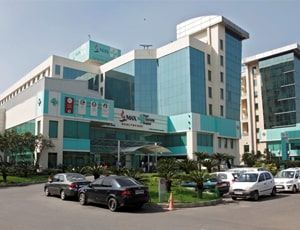
At Dr. Rela Institute and Medical Centre, Device Closure of ASD (Amplatzer Septal Occluder) is performed using specialized catheter-based cardiac techniques and comprehensive pre-procedure assessment. Established in 2018, this NABH, NABL accredited hospital in Chennai, India has 450 beds and offers advanced interventional and congenital cardiology services.
Device Closure of ASD (Amplatzer Septal Occluder) may be considered for patients with a suitable atrial septal defect where closure is clinically indicated. A catheter is introduced through a blood vessel, usually in the groin, and guided toward the heart. The Amplatzer device is then advanced through the catheter and carefully positioned across the ASD under imaging guidance. Echocardiography and cardiac imaging are used to assess the size, location, and surrounding structures of the defect before and during the procedure.
Kalra Hospital is a trusted healthcare provider for Device Closure of ASD (Amplatzer Septal Occluder), offering minimally invasive ASD closure supported by experienced interventional cardiologists, congenital heart specialists, advanced catheterization laboratories, and multidisciplinary cardiac care. Established in 1987, the NABH- accredited hospital is situated in Delhi, India and has 110 beds.
Device Closure of ASD (Amplatzer Septal Occluder) works by placing a self-expanding occlusion device across the atrial septal defect to block the abnormal communication between the atria. The device consists of two discs connected by a central waist that conforms to the defect. Over time, heart tissue grows over the device, helping to establish permanent closure. A detailed cardiac assessment helps determine whether the defect is anatomically suitable for device closure rather than surgical repair.
At Fortis Hospital, Device Closure of ASD (Amplatzer Septal Occluder) is performed using specialized catheter-based cardiac techniques and comprehensive pre-procedure assessment. Established in 2001, this NABH, NABL, JCI accredited hospital in Bangalore, India has 375 beds and offers advanced interventional and congenital cardiology services.
Device Closure of ASD (Amplatzer Septal Occluder) may be considered for patients with a suitable atrial septal defect where closure is clinically indicated. A catheter is introduced through a blood vessel, usually in the groin, and guided toward the heart. The Amplatzer device is then advanced through the catheter and carefully positioned across the ASD under imaging guidance. Echocardiography and cardiac imaging are used to assess the size, location, and surrounding structures of the defect before and during the procedure.

Mr. Hailu Kassa underwent Coronary Artery Bypass Surgery in Vejthani Hospital, Thailand under the supervision of Dr. Piya, Cardio-Thoracic Surgeon

Patient Testimonial: Rod Schaubroeck from United States (U.S.A) underwent heart valve replacement at Fortis Hospital, India
| Speciality | Cardiac Sciences |
| Procedure | Device Closure of ASD (Amplatzer Septal Occluder) |
| Success Rate | 95-98% |
| Recovery Time | 1 to 2 days |
| Treatment Time | 2 to 3 hours |
| Chances of Recurrence | 1-2% |
An atrial septal defect is an opening in the wall of the heart that can cause mixing of the blood between the heart’s upper chambers, called atria. This is a minimally invasive procedure that involves inserting a special device, called the Amplatzer Septal Occluder, through a catheter into the heart. The device is positioned to cover the ASD, allowing the tissue to grow over it, effectively sealing the hole.
The ASD device closure procedure is primarily used to treat Atrial Septal Defects, which are congenital heart conditions present at birth. It is suitable for certain patients who have smaller atrial septal openings or less serious conditions that can be corrected without open-heart surgery. An experienced cardiac surgeon will diagnose the type of ASD and then suggest the Amplatzer Septal Occluder-based procedure.
After the atrial septal defect closure, patients typically spend a short time in the hospital for observation. The recovery process is relatively quick, with minimal pain and scarring. Most patients can resume their normal activities within a few days to a week, but strenuous activities may be restricted for a few weeks after the surgery. Regular follow-up visits with the cardiologist are recommended to check the progress and ensure the effectiveness of the device after ASD closure is performed.
Yes, the majority of the hospitals in India that offer Device Closure of ASD (Amplatzer Septal Occluder) (as well as other surgical procedures in the field of cardiology – including minimally invasive heart surgery or robotic-assisted cardiac surgery) are equipped with some of the modern techniques. These are hospitals that provide quality services in a friendly environment with equipment that has been accredited to international standards.
In India, Device Closure of ASD (Amplatzer Septal Occluder) hospitals have approvals from international agencies and are accredited with technological innovations and professional teams. These hospitals offer endoscopic, laparoscopic, robotic, and other super specialities that are more accurate and necessitate short hospitalisation.
They offer an individual approach, extremely high rates, and services, including rehabilitation after the surgery. These are hospitals with specific services for international patients, clear pricing policies, and the best results in heart operations, making the surgery available and cheap.
The rate of device closure of ASD is generally high in India, especially using the Amplatzer Septal Occluder device. The efficiency of closure with the help of an Amplatzer device is 95% -98%.
It also offers a list of listed Device Closure of ASD (Amplatzer Septal Occluder) providers in India with verified and accredited healthcare facilities through the MediGence platform providing quality treatment. Also, resources for learning expertise, success rates and other information about cardiologists will be provided. It gives comprehensive information that helps patients to be referred to the right cardiologist, thus mapping them to a highly informed and efficient healthcare experience.
A few of the best hospitals for Device Closure of ASD (Amplatzer Septal Occluder) in India are as follows:
The cost of Device Closure of ASD (Amplatzer Septal Occluder) in India typically ranges from (USD 5000 - 7000), depending on the hospital location, the expertise of the surgeon, and the complexity of the procedure.
Yes, Device Closure of ASD (Amplatzer Septal Occluder) in India does include complete treatment solutions for overseas visitors. Numerous healthcare organisations nationwide are conversant with medical tourism and have individual services to cater to international clients. These services often include:
The device closure of the Atrial Septal Defect (ASD) using the Amplatzer Septal Occluder (ASO) is considered a relatively safe procedure with reasonable success rates, but its risks are also possible. Some of the risks include:
Post-device closure for ASD in India has minimal recovery. The care plan for most patients is early hospital discharge after 1 to 2 days and advised to rest for the first week. Plain tasks can be performed within a few days, while it is usual to avoid rigorous activities and games for 3-6 weeks. Though physical recovery in most cases would hardly take more than Five to Six weeks, follow-up appointments for police up to the implanted device and patients’ heart state remain usual. Many patients can return to normal activities after this period, although follow-up appointments are needed for the rest of their heart health. Recovery may be short or long depending on several factors, including age, general health status, and the level of invasiveness of the procedure.
To receive a teleconsultation with a cardiologist before planning your trip to India to undergo Device Closure of ASD (Amplatzer Septal Occluder), use the Medigence platform. All it takes is a callback from a specialist, get a diagnosis, and learn about treatments and the procedures available in the comfort of your home. This way, you can make the right choices and may not doubt your treatment choice.
The cadre and post-operative care in India after Device Closure of ASD (Amplatzer Septal Occluder) does not lack care and is dedicated to making the patient recover and heart healthy. The care process typically includes several key elements:
India is a popular choice for Device Closure of ASD (Amplatzer Septal Occluder) because of several factors:
First, the patient will be asked to complete an online contact form on our site. Once submitted, MediGence will contact you to help fix your Device Closure of ASD (Amplatzer Septal Occluder) in India. With us, you will know which hospital to go to, you will see a doctor of your choice, and we will support you step by step. Enrollment is our guideline, with the help of which we help you to receive the required documents and coordinate your schedule of treatments so that you can have comfort all the time from the day of registration up to the day of discharge from the hospital.
Device Closure of ASD (Amplatzer Septal Occluder) in India during a hospital visit is likely to be followed by several procedure-related procedures before and after the procedure. These are mainly aimed at providing the operation safety, comfort, and success. Here’s what patients should anticipate:
Yes, there are other options for Atrial Septal Defect (ASD) management apart from the device closure employing the Amplatzer Septal Occluder (ASO) in India. The treatment option that will be adopted can be influenced by issues related to the size and location of the ASD, the general health state of the patient, and any other disease the patient has. Here are the main alternatives:
The following procedures are taken into consideration before one undergoes Amplatzer Septal Occluder (ASO) device closure of an Atrial Septal Defect (ASD) in India to ensure the patient is in the best health state to undergo the procedure as well as to recover. Below is a comprehensive guide on how to prepare: