Browse verified doctors or let our care team help you find the doctor best suited to your condition, treatment goals, and budget.

Bangpakok 9 International Hospital provides specialised Device Closure of ASD (Amplatzer Septal Occluder) with a focus on precise defect assessment, advanced transcatheter closure techniques, and individualized congenital cardiac care. Established in 2003, the JCI, GHA accredited hospital is located in Bangkok, Thailand and operates 300 beds, with modern interventional cardiology, cardiac imaging, and critical-care infrastructure.
Device Closure of ASD (Amplatzer Septal Occluder) can provide a minimally invasive alternative to open-heart surgery for selected patients with suitable secundum ASDs. Treatment planning considers the defect's size and location, surrounding tissue margins, pulmonary pressures, associated cardiac abnormalities, and the patient's overall health. Detailed echocardiographic assessment, including transesophageal or intracardiac imaging when required, helps the cardiac team select the appropriate device size and determine whether transcatheter closure is a suitable treatment option.
At Sikarin Hospital, Device Closure of ASD (Amplatzer Septal Occluder) is performed using specialized catheter-based cardiac techniques and comprehensive pre-procedure assessment. Established in 1979, this JCI accredited hospital in Bangkok, Thailand has 354 beds and offers advanced interventional and congenital cardiology services.
Device Closure of ASD (Amplatzer Septal Occluder) may be considered for patients with a suitable atrial septal defect where closure is clinically indicated. A catheter is introduced through a blood vessel, usually in the groin, and guided toward the heart. The Amplatzer device is then advanced through the catheter and carefully positioned across the ASD under imaging guidance. Echocardiography and cardiac imaging are used to assess the size, location, and surrounding structures of the defect before and during the procedure.

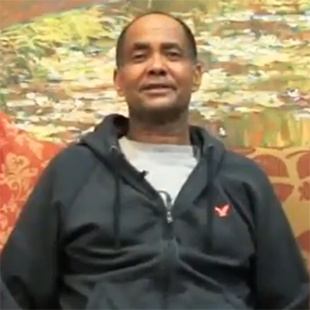
Mr. Hailu Kassa underwent Coronary Artery Bypass Surgery in Vejthani Hospital, Thailand under the supervision of Dr. Piya, Cardio-Thoracic Surgeon

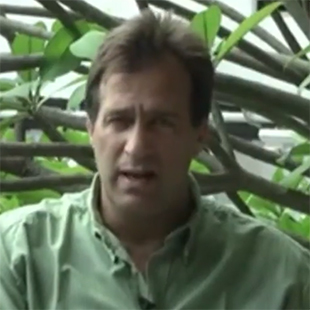
Patient Testimonial: Rod Schaubroeck from United States (U.S.A) underwent heart valve replacement at Fortis Hospital, India
| Speciality | Cardiac Sciences |
| Procedure | Device Closure of ASD (Amplatzer Septal Occluder) |
| Success Rate | 95-98% |
| Recovery Time | 1 to 2 days |
| Treatment Time | 2 to 3 hours |
| Chances of Recurrence | 1-2% |
An atrial septal defect is an opening in the wall of the heart that can cause mixing of the blood between the heart’s upper chambers, called atria. This is a minimally invasive procedure that involves inserting a special device, called the Amplatzer Septal Occluder, through a catheter into the heart. The device is positioned to cover the ASD, allowing the tissue to grow over it, effectively sealing the hole.
The ASD device closure procedure is primarily used to treat Atrial Septal Defects, which are congenital heart conditions present at birth. It is suitable for certain patients who have smaller atrial septal openings or less serious conditions that can be corrected without open-heart surgery. An experienced cardiac surgeon will diagnose the type of ASD and then suggest the Amplatzer Septal Occluder-based procedure.
After the atrial septal defect closure, patients typically spend a short time in the hospital for observation. The recovery process is relatively quick, with minimal pain and scarring. Most patients can resume their normal activities within a few days to a week, but strenuous activities may be restricted for a few weeks after the surgery. Regular follow-up visits with the cardiologist are recommended to check the progress and ensure the effectiveness of the device after ASD closure is performed.
Numerous factors can be considered to rank the hospitals on the basis of the procedure. While categorizing hospitals for Device Closure of ASD (Amplatzer Septal Occluder) in Thailand, some of the important factors are Popularity of the procedure, Infrastructure, Availability of the treatment, Skilled Medical Professionals, Technology employed, Cost, Facilities Offered, and Success Rate.
MediGence offers a blend of high-quality medical care, convenience, and cost-savings for patients across the world. We provide a set of unmatched services to assist you in your medical journey to different countries in the world. Just a few of our unmatched caregiving services & benefits are Accommodation or hotel stays, Airport transfers, Care Packages for Recuperation, 24/7 help, Online Consultation, Dedicated Case Manager, and Customized Treatment Packages with an ensured 30% savings. Other than these, there are multiple value-added services you can avail with MediGence
Yes. MediGence gives you the privilege of scheduling an online consultation with a specialist in Thailand. To schedule the consultation, please get in touch with our patient advisory team. They will finalize your appointment after confirming the doctor's availability and sending the payment link.
Due to the country's cutting-edge healthcare system and high success rate, many people have begun traveling to Thailand for Device Closure of ASD (Amplatzer Septal Occluder). Additional factors make Thailand the ideal option for Device Closure of ASD (Amplatzer Septal Occluder). These include:
The length of recovery after treatment is determined by the patient's overall health as well as the criticality of the treatment. Other factors, such as the patient's continued participation in rehabilitation sessions and postoperative care appointments, have a significant impact on the length of their recovery. To speed up recovery, it is advised that the patient maintain regular contact with their surgeon for a few months after surgery.