Browse verified doctors or let our care team help you find the doctor best suited to your condition, treatment goals, and budget.

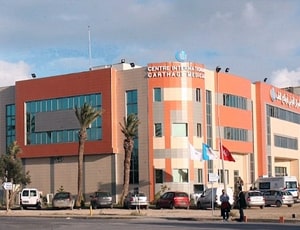
Carthage International Medical Center is a trusted healthcare provider for Device Closure of ASD (Amplatzer Septal Occluder), offering minimally invasive ASD closure supported by experienced interventional cardiologists, congenital heart specialists, advanced catheterization laboratories, and multidisciplinary cardiac care. Established in 2014, the JCI- accredited hospital is situated in Monastir, Tunisia and has 120 beds.
Device Closure of ASD (Amplatzer Septal Occluder) works by placing a self-expanding occlusion device across the atrial septal defect to block the abnormal communication between the atria. The device consists of two discs connected by a central waist that conforms to the defect. Over time, heart tissue grows over the device, helping to establish permanent closure. A detailed cardiac assessment helps determine whether the defect is anatomically suitable for device closure rather than surgical repair.
Taoufik Clinique is a trusted healthcare provider for Device Closure of ASD (Amplatzer Septal Occluder), offering minimally invasive ASD closure supported by experienced interventional cardiologists, congenital heart specialists, advanced catheterization laboratories, and multidisciplinary cardiac care. Established in 1979, the ISO- accredited hospital is situated in Tunis, Tunisia and has 180 beds.
Device Closure of ASD (Amplatzer Septal Occluder) works by placing a self-expanding occlusion device across the atrial septal defect to block the abnormal communication between the atria. The device consists of two discs connected by a central waist that conforms to the defect. Over time, heart tissue grows over the device, helping to establish permanent closure. A detailed cardiac assessment helps determine whether the defect is anatomically suitable for device closure rather than surgical repair.
Hannibal International Clinic offers advanced Device Closure of ASD (Amplatzer Septal Occluder) using modern interventional cardiology techniques and individualized congenital heart disease care plans. Established in 2007, the accredited hospital is located in Tunis, Tunisia and has 120 beds, providing comprehensive cardiac care for local and international patients.
Device Closure of ASD (Amplatzer Septal Occluder) is a minimally invasive procedure used to close a suitable atrial septal defect (ASD), an opening between the upper chambers of the heart. During the procedure, an Amplatzer Septal Occluder is delivered through a catheter and positioned across the defect. Once deployed, the device spans both sides of the opening and helps prevent abnormal blood flow between the atria. The procedure is generally considered for appropriately selected secundum ASDs with suitable anatomy.

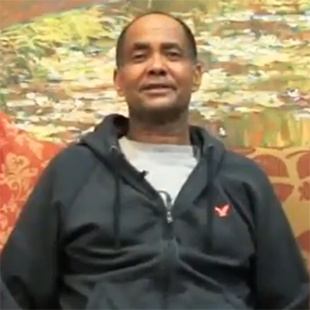
Mr. Hailu Kassa underwent Coronary Artery Bypass Surgery in Vejthani Hospital, Thailand under the supervision of Dr. Piya, Cardio-Thoracic Surgeon

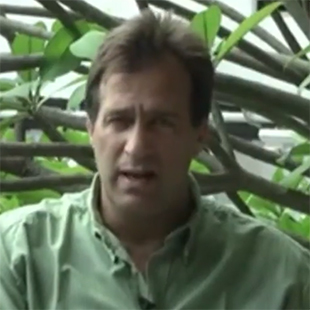
Patient Testimonial: Rod Schaubroeck from United States (U.S.A) underwent heart valve replacement at Fortis Hospital, India
| Speciality | Cardiac Sciences |
| Procedure | Device Closure of ASD (Amplatzer Septal Occluder) |
| Success Rate | 95-98% |
| Recovery Time | 1 to 2 days |
| Treatment Time | 2 to 3 hours |
| Chances of Recurrence | 1-2% |
An atrial septal defect is an opening in the wall of the heart that can cause mixing of the blood between the heart’s upper chambers, called atria. This is a minimally invasive procedure that involves inserting a special device, called the Amplatzer Septal Occluder, through a catheter into the heart. The device is positioned to cover the ASD, allowing the tissue to grow over it, effectively sealing the hole.
The ASD device closure procedure is primarily used to treat Atrial Septal Defects, which are congenital heart conditions present at birth. It is suitable for certain patients who have smaller atrial septal openings or less serious conditions that can be corrected without open-heart surgery. An experienced cardiac surgeon will diagnose the type of ASD and then suggest the Amplatzer Septal Occluder-based procedure.
After the atrial septal defect closure, patients typically spend a short time in the hospital for observation. The recovery process is relatively quick, with minimal pain and scarring. Most patients can resume their normal activities within a few days to a week, but strenuous activities may be restricted for a few weeks after the surgery. Regular follow-up visits with the cardiologist are recommended to check the progress and ensure the effectiveness of the device after ASD closure is performed.
There are several factors for ranking the hospitals on the basis of the procedure. Some of the major factors for ranking the hospitals for Device Closure of ASD (Amplatzer Septal Occluder) in Tunisia are Infrastructure, Procedure Availability, Procedure Popularity, Technology, Affordability, Experienced Specialists, Quality of Resources, and Success Rate
MediGence provides you with a combination of cost-savings, convenience, and quality healthcare. By using our unmatched care services, you can have the best and hassle-free medical experience abroad. These caregiving services are airport transfers, accommodation, 24/7 assistance, Online consultation, Assigned Patient Coordinator, and Prebundled treatment packages with upto a 30% discount. We also provide several additional advantages to help you receive first-rate medical care.
Definitely Yes. You can get an expert medical opinion via online consultation before you decide to travel. When one of our patient advisors contacts you about your inquiry, you can demand an online consultation with the specialist. Upon your request, our experts will check the doctor's availability, and send you the payment link to finalize the appointment.
Many people around the world consider Device Closure of ASD (Amplatzer Septal Occluder) in Tunisia to be trustworthy due to the high success rate and excellent hospital infrastructure. Additional factors make Tunisia the ideal option for Device Closure of ASD (Amplatzer Septal Occluder). These include:
Depending on the patient's health and the complexity of the treatment, different procedures have different recovery times. Other than that, rehabilitation post-treatment also plays a crucial role in reducing the healing time and aiding in proper recovery. Following surgery, patients must return for follow-up appointments to ensure proper healing and hasten the healing process.