Browse verified doctors or let our care team help you find the doctor best suited to your condition, treatment goals, and budget.
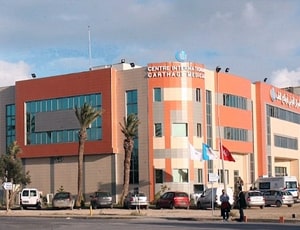
Carthage International Medical Center provides specialised Atrial Septal Defect (ASD) Repair using modern cardiac technology and evidence-based treatment approaches. Established in 2014, the JCI accredited hospital in Monastir, Tunisia, has 120 beds and caters to both domestic and international patients.
ASD Repair is used to correct an opening between the heart's upper chambers. Depending on the patient's condition, specialists may use a catheter-based closure device or surgical repair. Comprehensive cardiac evaluation is performed before treatment, followed by monitoring and follow-up care.
Taoufik Clinique offers Atrial Septal Defect (ASD) Repair through advanced cardiac care and modern treatment techniques. Founded in 1979, the ISO accredited hospital is located in Tunis, Tunisia, with 180 beds.
ASD Repair closes an abnormal opening between the atria, helping improve blood flow through the heart. Specialists may recommend device closure or surgical repair based on the size and type of defect. Patients undergo cardiac evaluation before treatment and receive appropriate monitoring during recovery.
With modern cardiac infrastructure, Ezzahra Clinic provides Atrial Septal Defect (ASD) Repair for patients requiring correction of a congenital heart defect. Established in 1986, the NABH accredited hospital is located in Ez Zahra, Tunisia, and has 110 beds.
The procedure closes the opening between the heart's upper chambers and may be performed through catheter-based device closure or open surgery. The cardiac specialist determines the appropriate treatment after evaluating the defect and the patient's overall heart health, and then provides personalised follow-up care.
Hannibal International Clinic offers Atrial Septal Defect (ASD) Repair through advanced cardiac care and modern treatment techniques. Founded in 2007, the accredited hospital is located in Tunis, Tunisia, with 120 beds.
ASD Repair closes an abnormal opening between the atria, helping improve blood flow through the heart. Specialists may recommend device closure or surgical repair based on the size and type of defect. Patients undergo cardiac evaluation before treatment and receive appropriate monitoring during recovery.

Baby Fatima Saleh Haliru, aged 3 years from Nigeria, was born with a Ventricular Septal Defect (VSD). Mr. and Mrs. Haliru started looking for better…

I am very satisfied with Dr. Aseem Srivastava and the surgery outcome. I am immensely grateful to Dr. Aseem and his team at Artemis Hospital…
| Speciality | Cardiac Sciences |
| Procedure | Atrial Septal Defect (ASD) Repair |
| Success Rate | 90-95% |
| Recovery Time | 2 to 4 weeks |
| Treatment Time | 2 - 2.5 hours |
| Chances of Recurrence | 4 - 6% |
ASD Repair is a surgical procedure used to repair a hole in the atrial septum, the wall that separates the upper chambers of the heart. The defect is closed with sutures or a patch during the procedure. It can be done with open-heart surgery or with minimally invasive techniques like cardiac catheterization.
Atrial Septal Defect (ASD) Repair is primarily used to treat atrial septal defects, which are congenital heart conditions characterized by abnormal openings between the atria. These defects can lead to the mixing of oxygenated and deoxygenated blood, potentially causing strain on the heart and lungs. The procedure helps restore proper blood flow and relieves related symptoms by fixing the defect.
After Atrial Septal Defect (ASD) Repair, the recovery period varies based on the surgical technique used and the patient in question. Patients should typically anticipate spending a few days in the hospital following the procedure. Medication may be prescribed to manage pain and prevent infection. Physical activity and strenuous exercise should be limited for several weeks, and follow-up appointments will be scheduled to monitor healing and overall cardiac health. With proper care and adherence to the recommended recovery guidelines, most patients can resume normal activities within a few months.
It's a fact that while ranking a hospital, certain factors need to be considered. To rank these hospitals in Tunisia for Atrial Septal Defect (ASD) Repair, take the following aspects into account- Infrastructure, Procedure Availability, Procedure Popularity, Technology, Affordability, Experienced Specialists, Quality of Resources, and Success Rate
Your health is a top priority for MediGence, and we make sure you get it effortlessly. By using our unmatched care services, you can have the best and hassle-free medical experience abroad. These caregiving services are airport transfers, accommodation, 24/7 assistance, Online consultation, Assigned Patient Coordinator, and Prebundled treatment packages with upto a 30% discount. To help you receive top-notch medical treatment, we also provide a number of additional benefits.
Yes. You can avail a video consultation with a specialist before you plan your medical travel. While talking to one of our experts, you can request a video consultation appointment. They will get in touch with the doctor to check his/her availability. After receiving confirmation, the appointment will be scheduled and you will receive a payment link to book your session.
Numerous people have started traveling to Tunisia for Atrial Septal Defect (ASD) Repair because of the nation's state-of-the-art healthcare system and high success rate. Additional factors make Tunisia the ideal option for Atrial Septal Defect (ASD) Repair. These include:
Depending on the patient's health and the complexity of the treatment, different procedures have different recovery times. The length of the patient's recovery is also greatly influenced by other variables, such as their continued participation in rehabilitation sessions and postoperative care appointments. The patient is suggested to stay in close contact with their surgeon for a few months post-surgery to reduce their recovery time.