Your Notifications
All done, no notifications

2 Specialists

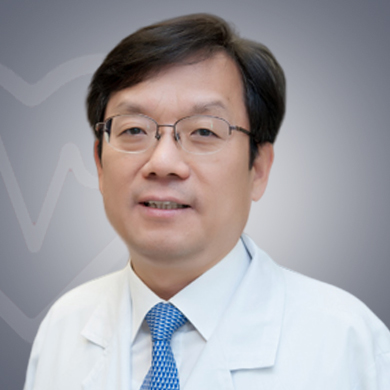
Dr. Kyoo Hyung Lee

Hematologist

, Seoul, South Korea

29 Years of experience

Speaks: Korean , English


Dr. Kyoo Hyung Lee is a specialized Hematologist in South Korea. And one of the most sought after medical specialists in Seoul, South Korea. The doctor has over 22 Years of experience and is associated with Asan Medical Centre.

Qualifications :

  • Doctor of Medicine: Catholic University of Korea
  • Master of Medicine: Catholic University of Korea
  • Bachelor of Medicine: Seoul National University

Hospital Address :

Asan Medical Center, Olympic-ro 43-gil, Pungnap 2(i)-dong, Songpa-gu, Seoul, South Korea

What is the medical expertise of Dr Kyoo Hyung Lee?

  • With over 22 years of experience, Dr Kyoo Hung Lee is a renowned haematologist. He has expertise in Leukemia, blood disorders, and aplastic anaemia. Dr Lee can perform procedures such as bone marrow transplants efficiently.
  • Dr Lee completed a Fellowship in Oncology at the University of Texas, MD Anderson Cancer Center.
  • Dr Lee has published his research work in many notable scientific journals. Some of his research works include:
    1. Lee GW, Lee JH, Kim SB, Yu ES, Lee JL, Ryu MH, Kim E, Choi SJ, Kim WK, Lee JS, Lee KH. Membranous glomerulopathy as a manifestation of chronic graft-versus-host-disease after non-myeloablative stem cell transplantation in a patient with paroxysmal nocturnal hemoglobinuria. J Korean Med Sci. 2003 Dec;18(6):901-4.
    2. Min YJ, Lee JH, Choi SJ, Chi HS, Lee JS, Kim WK, Lee KH. Prognostic significance of Fas (CD95) and TRAIL receptors (DR4/DR5) expression in acute myelogenous leukemia. Leuk Res. 2004 Apr;28(4):359-65.
    3. Lee GW, Lee JH, Choi SJ, Kim S, Seol M, Kim WK, Lee JS, Lee KH. Hemorrhagic cystitis following allogeneic hematopoietic cell transplantation. J Korean Med Sci. 2003 Apr;18(2):191-5.

Dr. Jung Hee Lee

Hematologist

, Seoul, South Korea

20 Years of experience

Speaks: Korean , English


Dr. Jung Hee Lee is a specialized Hematologist in South Korea. And one of the most sought after medical specialists in Seoul, South Korea. The doctor has over 20 Years of experience and is associated with Asan Medical Centre.

Certifications :

  • Fellowship, HematoOncology, UUCM AMC

Qualifications :

  • Doctor of Medicine: University of Ulsan
  • Master of Medicine: University of Ulsan
  • Bachelor of Medicine: Chung Ang University

Hospital Address :

Asan Medical Center, Olympic-ro 43-gil, Pungnap 2(i)-dong, Songpa-gu, Seoul, South Korea

Online Hematologist Consultations in the South Korea

About Hematologist

Hematologist is a doctor specialized in diagnosing, treating and preventing disorders related to blood and lymphatic system including lymph nodes and blood vessels.

Your phycisian will recommend you to visit a hematologist for a checkup if he witnesses any disorder, abnormality or any risk for conditions involving your red blood cells (RBC), white blood cells (WBC), blood platelets, blood vessels, bone marrow, lymph nodes or spleen. Some of the major ones being:

  • Anemia or low red blood cells
  • Blood clotting disorder
  • Cancers that affect bone marrow, lymph nodes, or white blood cells (Leukemia, lymphoma or multiple myeloma)
  • Infections in the blood cells
  • Faulty red blood cells disease (Sickle cell disease)

Procedures Performed

Hematologist performs various tests for monitoring, diagnosis, treatment and prevention of blood disorders, some of the major ones being:

  • Complete blood count (CBC)
  • Prothrombin time (PT)
  • Partial thromboplastin time (PTT)
  • International normalized ratio (INR)
  • Bone marrow biopsy
  • Ablation therapy
  • Blood transfusions
  • Bone marrow transplants and stem cell donations
  • Cancer treatments, including chemotherapy and biological therapies
  • Growth factor treatments
  • Immunotherapy

Top Hematologists in South Korea

DoctorAssociated Hospital
Dr. Kyoo Hyung LeeAsan Medical Centre, Seoul
Dr. Jung Hee LeeAsan Medical Centre, Seoul

About Hematologist South Korea

Which are the countries where we can find Transplant Surgeon?

Popular Transplant Surgeon in Top Countries are :

Type of Transplant Surgeon available in South Korea?

Top Speciality Doctors in South Korea:

Top Rated Hospitals Where We Can Find Transplant Surgeon in South Korea?

List of Top Rated Hospitals where we can find Transplant Surgeon in South Korea are as followed:

Can we get the list of Transplant Surgeon in South Korea in any other language?

Yes, we provide the list of Transplant Surgeon in South Korea in the following languages:

Frequently Asked Questions
Who are some of the top Hematologists from other countries?
Which are some of the procedures performed by Hematologists in South Korea?

Most common procedures performed by hematologists in South Korea are:

Which are some of the best hospitals in South Korea, Hematologist are associated with?

Listed below are some of the top hospitals in South Korea where hematologists work:

Which are some of the conditions treated by Hematologist in South Korea?

Most common conditions performed by hematologists in South Korea are:

  • Lymphoma
  • Spinal Injury
  • Leukemia
  • Sickle Cell Disease
  • Thalassemia
  • Congenital Neutropenia
  • Hematological Disorders
  • Acute Myelogenous Leukemia (AMI)
  • Acute Lymphocytic Leukemia
  • Neuromuscular Disorders
  • Multiple Myeloma
  • Aplastic Anemia
  • Orthopedic Conditions
Who is a Hematologist?

Hematologists are internal medicine doctors who have training in disorders related to the bone marrow, blood, and lymphatic system. They may work in hospitals, clinics, or blood banks. Hematologists who practice in labs are called hematopathologists. They are well- trained in pathology, a branch of medicine that studies body tissues and the blood with microscopes or tests.

If your primary care physician has advised you to see a hematologist, it might be because you are at risk for a disease involving the red or white blood cells, blood vessels, platelets, bone marrow, spleen, and lymph nodes.

A hematologist:

  • Diagnoses and treats chronic and acute diseases that affect the blood including issues with blood clotting, blood cell production, and cancer
  • Provides screening of blood disorders, such as sickle cell anemia, hemophilia
  • Performs a physical exam and studies the patient’s personal as well as family medical history
  • Orders and evaluates blood and genetic tests and also prescribes medications

A hematologist may also be known by the following names: blood disease specialist or blood doctor.

What are the qualifications of a Hematologist?

When choosing a hematologist, board certification plays a key role. A doctor might treat patients with blood disorders and conditions without being board certified in hematology. However, training, education, experience and certification establish the hematologist’s level of competence. Also, board certification tells whether the doctor has completed a training program and cleared an exam demonstrating their expertise in hematology.

This is the pathway:

• Graduation in medicine (MBBS) followed by post graduation programme (MD or DO).

• Residency training as well as certification exam in internal medicine

• More training (fellowship programs) and certification exams in hematology.

What conditions do Hematologists treat?

A hematologist treats conditions that involve the blood including:

  • Anemia
  • Bleeding disorders including von Willebrand disease and hemophilia
  • Blood cancer including lymphoma, leukemia and myeloma
  • Blood clots and clotting disorders, such as deep vein thrombosis
  • HIV/AIDs including anemia and AIDs-related lymphoma
  • Iron storage disorders including hemochromatosis
  • Malaria
  • Spinal Injury
  • Sickle Cell Disease
  • Hematological Disorders
  • Acute Myelogenous Leukemia
  • Thalassemia
  • Congenital Neutropenia
  • Acute Lymphocytic Leukemia
  • Aplastic Anemia
  • Orthopedic Conditions
  • Neuromuscular Disorders
  • Multiple Myeloma
What diagnostic tests are required by a Hematologist?

A hematologist can order a wide variety of diagnostic tests, such as:

  • Biopsy
  • Blood plasma and platelet tests
  • Genetic testing for sickle cell anemia and hemophilia
  • Laboratory tests including complete blood count
  • Erythrocyte sedimentation rate
  • International normalized ratio
  • Partial thromboplastin time
  • Prothrombin time
When should you visit a Hematologist?

Your primary care doctor may tell you to see a hematologist if you have the following symptoms:

  • Fatigue, dizziness, chest pain, weakness, headache, brittle nails, hair loss, shortness of breath
  • Irregular heartbeat, whooshing sound in the ears, pale or yellow skin
  • Bleeding disorder symptoms like bleeding gums, bruising, excessive bleeding when cut, heavy menstrual bleeding, and unexplained nosebleeds
  • Blood clotting disorder symptoms
  • Fever, fatigue, headaches, chills, weakness, night sweats, swollen tonsils
  • Lymphoma symptoms, such as fever, swollen lymph nodes, weakness, fatigue, sweating, weight loss, chest pain
  • Myeloma symptoms like anemia, bone pain, fractures, and weight loss.
  • Sickle cell anemia symptoms including swelling of the hands and feet, and dark urine
What can you expect from your first visit with a Hematologist?

You might not always come face to face with a hematologist. They often work closely with your pediatrician, internist, oncologist, or other primary doctor to study your test results or to evaluate your condition. A lab technician who collects your blood sample isn’t a doctor.

They will conduct a physical exam to test the functioning of the body. In addition to tests and physical exams, you could get a lot of information at your first appointment. You may need to bring a family member or friend along with you. The person you bring can help ask questions, listen, and take notes.

Which are the most common procedures performed by a Hematologist?

Some popular procedures performed by hematologists are:

  • CAR-T
  • Bone Marrow Transplant
  • Stem Cell Therapy
  • Blood transfusion
  • Chemotherapy
  • Immunotherapy
  • Ablation therapy

FAQs related to South Korea

How to avail online consultation with some of the top doctors in South Korea?

Telemedicine by MediGence makes virtual care for critical conditions easily accessible for you. You can talk to a specialist on a video call from your distant location, real-time screening of reports will be done and you will get the diagnosis, right then and there. You can also record the conversation to use later. We value your privacy, hence all the Healthcare records and teleconsultation are stored securely on HIPAA compliant servers on Cloud.

Follow the simple steps at our Telemedicine platform to book an appointment with a doctor

  • Simply search for the Doctor by a specialty/name
  • Select the best-suited Doctor for you
  • Choose your day for consultation
  • Fill in the details- Name, Mail id, Contact, Describe your symptoms, upload your reports
  • At last, Pay online via Paypal to Book an Appointment for a video consultation with the top renowned doctors/specialists in Thailand

Benefits of Telemedicine :

  • Patient Engagement Increases
  • Reduced Admission Rates and Better Mental Health
  • Cost and Time Saving
  • Optimizing Medications Intake and Reducing Outpatient Visits
  • Keeping medical records and reports up to date
How to choose some of the best rated doctors in South Korea?

Once you have consulted people in your network and researched through various sources the credentials of the doctors, their reviews and referrals, the next step is to zero in further on the basis of their specific skills. The best rated and reviewed doctors in South Korea can be chosen based on the below mentioned and outlined criteria via MediGence.com.

  • Communication skills - A doctor's communication skills are crucial in a variety of situations, including patient contact, staff collaboration, and talking with family members. They must be able to explain what is happening to their patients in a clear and simple manner, ensuring that they comprehend what is going on while staying professional and pleasant. They will also be part of a multi-disciplinary team, and it is vital that they communicate accurately with the other team members.
  • Capable of working in a team - There is no doctor who works on their own. Interdisciplinary teams are common in medical environments, and they will have to collaborate with other doctors, nurses, healthcare assistants, physiotherapists, social workers, and a variety of other professionals. They will be dealing with these employees on a daily basis, therefore it is critical that they are able to interact effectively with others in order to provide the greatest care for their patients. This necessitates them contributing ideas and assisting when possible, as well as delegating any tasks they require and according to any orders given.
  • Work ethics and compassion - A doctor's scientific brilliance may enable them to cure their patients, but without compassion, they will not be the greatest doctor they can be. They must be concerned about their patients' well-being. A doctor helps other people, and they can't do it regularly if they don't care about their patients' well-being. A strong work ethic is also important, but compassion is the attribute that will motivate a doctor to move out of bed at 2 a.m. when they are on call to assist someone who is in need.
  • Organizational Skills - As a doctor, you must juggle a large number of patients, sometimes across numerous wards and even at opposite ends of a hospital. It's easy to become overloaded with patient contact, paperwork, as well as meetings. This is where having good organizational abilities comes in handy. Knowing which activities are critical and which can wait will make one's job much easier, ensuring that patients receive the best possible care while also meeting their specific deadlines.
  • Professionalism - Even as it is a noble profession, being a doctor is a job, and as such, professionalism is essential. This entails remaining courteous, attentive, and well-dressed. One can receive complaints and be disciplined for being disrespectful to both various staff members and patients, just like in any other employment, so it's critical that one maintains a good standard of conduct while at work.

References:

Which are the most common Medical Specialities available in South Korea