Your Notifications
All done, no notifications

Online Gynecologist Consultations in the Israel

Explore trusted hospitals and care options, or get personalised support to find a suitable option based on your treatment needs, preferences, and budget.

6
Verified Doctors
1,00,000+
Global Patients Assisted
Enquire Now
+
JCI/ISO 100,000+ Patients 24X7 Coordinator Visa & Travel handled

Our Platform Features

100,000+
Consultations Completed
HIPAA
Compliant Secure & Encrypted
24-48 Hours
Expert Medical Opinion
End-to-End Support
Dedicated Care Manager
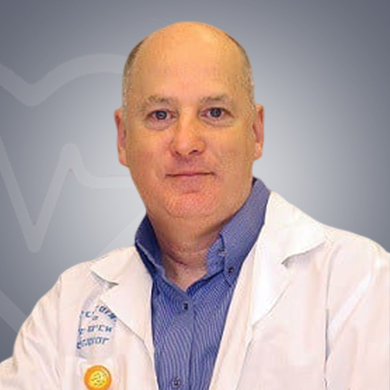
Dr. Yossi Joseph Har Toov

, Israel, Tel Aviv

Obstetrics & Gynaecologist • 20 years experience

Hebrew English
View Telemedicine Doctors

Yossi Joseph Har Toov, Sackler School of Medicine, Tel Aviv University, is a Gynecologist based in Tel Aviv, Israel. The doctor has 20 years of professional experience. Yossi Joseph Har Toov areas of expertise include Polycystic Ovarian Syndrome (Pcos), Ovarian Cancer, Cervical Cancer, Pelvic Inflammatory Disease (PID), Uterine Prolapse.

Work Experiences

  • Currently working at Lis Maternity Hospital
Dr. Dov Feldberg

, Israel, Herzliya

Endocrinologist • 39 years experience

Hebrew English
View Telemedicine Doctors

Dov Feldberg, Graduated from the Hebrew University Medical School, Jerusalem, is a Reproductive Endocrinologist based in Herzliya, Israel. The doctor has 39 years of professional experience. Dov Feldberg areas of expertise include False.

Work Experiences

  • Completed Residency in OB/GYN at the Rabin medical center
  • Professor of the OB/GYN faculty at the Sackler Medical School, Tel-Aviv University
Dr. David Soriano

, Israel, Ramat Gan

Obstetrics & Gynaecologist • 25 years experience

Hebrew English
View Telemedicine Doctors

David Soriano, MD from the School of Medicine, Ben-Gurion University of the Negev, is a Gynecologist based in Tel Hashomer, Israel. The doctor has 25 years of professional experience. David Soriano areas of expertise include Uterine Cancer, Cervical Cancer, Polycystic Ovarian Syndrome (Pcos), Female Infertility, Adenomyosis or Fibroids.

Work Experiences

  • Senior Lecturer at the Department of Obstetrics and Gynecology at the Sackler School of Medicine, Tel Aviv University

Do you know?

Using MediGence’s Telemedicine Platform, you can book a personalized video consultation with renowned doctors around the world

Explore Telemedicine Platform

Featured Telemedicine Doctors

Dr. Eyal Sivan

, Israel, Ramat Gan

Obstetrics & Gynaecologist • 30 years experience

Hebrew English
View Telemedicine Doctors

Eyal Sivan, School of Medicine at Ben-Gurion University of the Negev, is a Gynecologist Laproscopic Surgeon based in Tel Hashomer, Israel. The doctor has 30 years of professional experience. Eyal Sivan areas of expertise include Polycystic Ovarian Syndrome (Pcos), Uterine Fibroids, Ovarian Cancer, Pelvic Inflammatory Disease (PID), Adenomyosis or Fibroids.

Work Experiences

  • Associate professor at the Sackler School of Medicine, Tel Aviv University
Dr. Yariv Yogev

, Israel, Tel Aviv

Obstetrics & Gynaecologist • 25 years experience

Hebrew English
View Telemedicine Doctors

Yariv Yogev, 1994 - 1998: Doctor of Medicine, Technion University, Haifa, Israel, is a Gynecologist Laproscopic Surgeon based in Tel Aviv, Israel. The doctor has 25 years of professional experience. Yariv Yogev areas of expertise include Dysfunctional Uterine Bleeding (DUB), Endometriosis, Adenomyosis or Fibroids, Pelvic Inflammatory Disease (PID), Uterine Prolapse.

Work Experiences

  • Senior Physician - High-Risk Pregnancy Department, Beilinson Hospital, 2006 – 2011
  • Director, Division of Obstetrics and Delivery Ward - Helen Schneider Hospital for Women, Rabin Medical Center, 2011 – 2015
  • Present Chairman, Division of Obstetrics, Gynecology, and Infertility - Tel Aviv Sourasky Medical Center (Ichilov)
Dr. Shlomi Cohen Eilon

, Israel, Herzliya

Obstetrics & Gynaecologist • 10 years experience

Hebrew English
View Telemedicine Doctors

Shlomi Cohen Eilon, Graduate Medical Faculty of Ben-Gurion University, is a Gynecologist based in Herzliya, Israel. The doctor has 10 years of professional experience. Shlomi Cohen Eilon areas of expertise include Ovarian Cancer, Dysfunctional Uterine Bleeding (DUB), Uterine Cancer, Polycystic Ovarian Syndrome (Pcos), Uterine Fibroids.

Work Experiences

  • Department of Gynecology - Duty surgeon Chaim Sheba Tel Hashomer Hospital
  • Gynecologist - Chaim Sheba Tel Hashomer Hospital
Frequently Asked Questions
Who are some of the top Gynecologists from other countries?
Which are some of the procedures performed by Gynecologists in Israel?

Check out the procedures performed by gynecologists in Israel:

Which are some of the best hospitals in Israel, Gynecologist are associated with?

Listed below are some of the top hospitals in Israel where gynecologists work:

Which are some of the conditions treated by Gynecologist in Israel?

Listed below are some of the most common conditions performed by gynecologists in Israel are:

  • Prolonged labor
  • Pregnancy
  • Multiple babies
  • Birth defects
  • Chronic health conditions
  • Repeat C-section
  • Placenta problems
  • Fetal positioning
  • Dysfunctional Uterine Bleeding (DUB)
  • Polycystic Ovarian Syndrome (Pcos)
  • Endometriosis
  • Fetal distress
What are the qualifications of a Gynecologist?

For students who want to become a gynaecologist after 12th, the first step is the same as any medical profession. You have to clear NEET for entrance in MBBS.

The undergrad course is MBBS, after which the post graduation course is MD or MS. Then, super-specialization is MCH or DM. MBBS is a five-and-half-year degree, and MD or MS is a three-year degree. Some colleges offer MD gynaecology, while other colleges offer MS gynaecology. One year of internship is completed after MBBS. This internship is compulsory for students to complete their graduation. The internship period after MBBS helps in assisting doctors doing practical work. But, nowadays it has become common for medical students to spend their internship time preparing for their entrance exam for post-graduation.

What conditions do gynecologists treat?
  • Pelvic Pain
  • Polycystic Ovarian Syndrome
  • Uterine Fibroids
  • Urinary Incontinence
  • Cervical Dysplasia
  • Menstrual Disorders
  • Pelvic Floor Prolapse
  • Birth defects
  • Chronic health conditions
  • Repeat C-section
  • Prolonged labor
  • Pregnancy
  • Multiple babies
  • Dysfunctional Uterine Bleeding
  • Polycystic Ovarian Syndrome
  • Placenta problems
  • Fetal positioning
  • Endometriosis
  • Fetal distress
What diagnostic tests are required by a Gynecologist?

Below are some diagnostic tests that are required by a Gynecologist:

  • Mammogram
  • Pap test
  • Sexually transmitted disease (STD) screening
  • Bone density testing
  • Pregnancy testing
  • Hormonal imbalance testing
  • Cervical biopsy
  • Colposcopy
  • Laparoscopy
  • Cystoscopy
  • Ultrasonography
  • Hysteroscopy
  • Sonohysterography
  • Hysterosalpingography
  • Magnetic resonance imaging (MRI)
  • Amniocentesis
When should you visit a Gynecologist?

If you experience the below signs and symptoms, you should visit a gynecologist:

Polycystic ovary syndrome

  • Benign conditions of the reproductive tract
  • Ovarian cysts, fibroids, Vulvar and vaginal ulcers
  • Breast disorders
  • Premalignant conditions like cervical dysplasia
  • Endometrial hyperplasia
  • Cancers of the reproductive tract
  • Congenital abnormalities of the female reproductive tract
  • Pelvic inflammatory diseases
  • Emergency care relating to gynecology.
  • Endometriosis
  • Issues relating to sexuality
  • Sexual dysfunction
What can you expect from your first visit with a Gynecologist?

Your appointment will usually begin with a general health check. The nurse will measure your weight and blood pressure. You might have blood and urine tests done.

Then they will do the physical exam. The nurse will then take you to the exam room and ask you to undress. You will be given a dress that opens in the front, and a thin sheet to cover your lap.

You should use your annual ob-gyn appointment as an opportunity to ask your queries. Even if your questions are intimate, you can be sure that the doctor would have heard them before. It's fine to ask about your sex, periods, or whatever you want to know about your overall reproductive health.

Which are the most common procedures performed by a Gynecologist?

Most common procedures performed by a Gynecologist are:

  • Colposcopy
  • Endometrial biopsy
  • Hysteroscopy
  • dilation and curettage
  • Biopsy
  • Tubal ligation for female sterilization
  • Laser surgery
  • Hysterectomy (removal of the uterus)
  • Myomectomy (removal of fibroids)

FAQs related to Israel

How to avail online consultation with some of the top doctors in Israel?

Telemedicine is a fantastic way for incorporating technology into healthcare. It makes clinical care so simple to adopt and progress with in order to identify better ways to treat patients and return them to excellent health and optimum parameters. It is a system for virtual care consultations for a variety of ailments.

How to access Telemedicine by MediGence?

Exploring & Booking an appointment with the specialist in 3 simple steps-

  • Choose a suitable Doctor based on your symptoms or condition
  • Schedule an appointment with the doctor of your choice

Our Telemedicine offering makes things simple via its user-friendly interface.

  • On-demand Scheduled Appointments
  • Data Security Guaranteed with HIPAA Compliance
  • Video Interaction with Top Medical Experts across borders
  • Video Recording Option for Patient’s convenience
  • Private video consultations can be downloaded within 72 hours
  • Clinical notes & prescriptions
  • Secured & Easy Payment Options- E-receipt is generated & sent automatically to the patient.
How to choose some of the best rated doctors in Israel?

The majority of people believe they do have a broad understanding of what a "good" doctor can accomplish or haven't given it any thought. If you're searching for a new doctor or a specialist, you might have a few extra questions about what to look for in a medical professional. Knowing what makes a good doctor can aid in the diagnosis and get you the care you want without having to worry about anything.

  • Domain Knowledge - A qualified doctor should understand how the entire body works as a unit and what one must do to keep their complete health. They should keep up with all of the newest developments in the industry and share their knowledge in an easy-to-understand manner. Patients will become more likely to follow this advice correctly and trust the doctor when there is an issue if doctors provide a wide range of facts and clearly state why they consider a given style of medical care to be good.
  • Doctor’s Reputation - Doctors are frequently chosen by word of mouth, but when looking for a new doctor, it is crucial to consider your sources. Ask a few different people and watch whose name keeps coming up. You can also get useful information by asking your primary care physician about specialists and others in the region. Several people nowadays look for reviews of new doctors on the internet, but this information might be skewed. To gain a better idea about what a doctor is like, look for consistency in remarks regarding them, both favorable and negative.
  • Credentials of the Doctor - A good school education or other credentials may not guarantee that a doctor will deliver exceptional care, but it is a fine place to begin. If the doctor's credentials or affiliations within the field are lacking, this is a red flag. Check to see if the doctor is board certified and has fulfilled all licensure criteria. Knowing the hospital they are linked with or what qualifications other members of their practice have can give you an idea of the kind of care one will receive if they require extra treatment.
  • Empathy and Sincerity of the Doctor - The doctor's demeanor can put you at ease during the appointments. A patient wishes to feel that their doctor actually cares about them and their family so that one can openly discuss any questions or concerns they may have. It is not a bad idea to switch doctors if one does not feel emotionally connected to their current one. Seek someone who is friendly and attentive, and who encourages their patients to express themselves freely. To make someone comfortable and make it simpler for them to follow treatments effectively, the doctor must explain what they are doing and the reasoning behind it.
  • Good Communication Skills - A physician must be able to communicate effectively with their patients, which entails both listening to them and presenting information in an understandable way. Patients who can communicate effectively with their doctors are more likely to comply with their treatment regimen and reveal any extra health issues they could be facing. This will assist clinicians in identifying potentially harmful trends that the patient might be experiencing and intervening to ensure that therapies are effective.

Reference:

The Lancet

Which are the most common Medical Specialities available in Israel

Online Gynecologist Consultations in the Israel

About Gynecologist

A gynecologist is a surgeon who specializes in the female reproductive system, which includes the cervix, fallopian tubes, ovaries, uterus, vagina and vulva. Gynecologists are doctors who specialize in women's health, with a focus on the female reproductive system. Menstrual problems, contraception, sexuality, menopause and infertility issues are diagnosed and treated by a gynecologist.

When should you visit a Gynecologist Surgeon?

Your physician might recommend you to visit a Gynecologist Surgeon for the following reason:

  • Issues relating to pregnancy, fertility, menstruation and menopause.
  • Family planning, including contraception, sterilization, and pregnancy termination.
  • Problems with tissues that support the pelvic organs (including ligaments and muscles).
  • Polycystic ovary syndrome
  • Urinary and fecal incontinence.
  • Benign conditions of the reproductive tract, such as ovarian cysts, fibroids, breast disorders, Vulvar and vaginal ulcers or any other non-cancerous changes.
  • Premalignant conditions, such as endometrial hyperplasia, cervical dysplasia.
  • Cancers of the reproductive tract and the breasts, and pregnancy-related tumors.
  • Congenital abnormalities of the female reproductive tract.
  • Emergency care relating to gynecology.
  • Endometriosis
  • Pelvic inflammatory diseases
  • Issues relating to sexuality (including health issues relating to same-sex and bisexual relationships).
  • Sexual dysfunction

Procedures Performed

Diagnostic Procedures:

  • Pap smear tests
  • Ultrasound scanning
  • Endometrial biopsy
  • Hysteroscopy
  • Colposcopy (A microscopic examination of the cervix)

Surgical Procedures

  • Laparoscopy
  • Minor surgery eg. sterilization
  • Major surgery eg. removing fibroids in the uterus
  • Postoperative care

Top Gynecologists in Israel

DoctorAssociated Hospital
Dr. Yariv YogevLis Maternity & Women's Hospital, Tel-Aviv
Dr. Dov FeldbergHerzliya Medical Center, Herzliya
Dr. Eyal SivanSheba Medical Center, Tel-Hashomer
Dr. Yossi Joseph Har ToovLis Maternity & Women's Hospital, Tel-Aviv
Dr. Shlomi Cohen EilonHerzliya Medical Center, Herzliya
Dr. David SorianoSheba Medical Center, Tel-Hashomer

About Gynecologist Israel

Which are the countries where we can find Fertility Specialist?

Popular Fertility Specialist in Top Countries are :

Type of Fertility Specialist available in Israel?

Top Speciality Doctors in Israel:

Top Rated Hospitals Where We Can Find Fertility Specialist in Israel?

List of Top Rated Hospitals where we can find Fertility Specialist in Israel are as followed:

Can we get the list of Fertility Specialist in Israel in any other language?

Yes, we provide the list of Fertility Specialist in Israel in the following languages: