Our Platform Features

Dr. Seyda Gunduz
Memorial Antalya Hospital, Turkey, Antalya
Radiation oncologist • 14 years experience
Turkish & EnglishSeyda Gunduz, AKDENIZ UNIVERSITY MEDICAL FACULTY Medical Oncology Specialist Training (Minor), is a Medical Oncologist based in Istanbul, Turkey. The doctor has 14 years of professional experience. Seyda Gunduz areas of expertise include Pancreatic Cancer, Colorectal or Colon Cancer, Metastatic Cancer, Rectal Cancer, Primitive Neuroectodermal Tumors.
Work Experiences
- MEMORIAL ANTALYA HOSPITAL Medical Oncology Specialist 2016 - Present, Antalya/Turkey
- ANTALYA EDUCATION AND RESEARCH HOSPITAL Medical Oncology Specialist 2013 - 2016, Antalya/Turkey

Dr. Semih Halezeroglu
Acibadem Maslak Hospital, Turkey, Istanbul
Surgical Oncologist • 30 years experience
Turkish & EnglishSemih Halezeroglu, 2008 - Istanbul Bilim University Faculty of Medicine / Professor, is a Surgical Oncologist based in Istanbul, Turkey. The doctor has 30 years of professional experience. Semih Halezeroglu areas of expertise include Stomach Cancer, Skin Cancer, Pancreatic Cancer, Meningiomas, Breast Cancer.
Work Experiences
- 2008 - 2009 - Head of Department of Thoracic Surgery, Istanbul Bilim University Faculty of Medicine
- 2003 - 2008 - SüreyyapaÅa Chest Diseases and Chest Surgery Training and Research Hospital, Chest Surgery Clinic Chief and Chief Physician
- 2003 - 2005 - American Hospital, Head of Thoracic Surgery Department
- 1998 - 2003 - SureyyapaÅa Chest Diseases and Thoracic Surgery Training and Research Hospital, Thoracic Surgery specialist
- 1992 - 1998 - Heybeliada Chest Diseases and Thoracic Surgery Hospital, Thoracic Surgery specialist
- 1988 - 1992 - Heybeliada Chest Diseases and Chest Surgery Hospital, Chest Surgery specialization training

Dr. Huseyin Ulas Cinar
Medicana International Samsun Hospital, Turkey, Samsun
Surgical Oncologist • 10 years experience
Turkish & EnglishHuseyin Ulas Cinar, Medical Education - Istanbul University Cerrahpasa Medical Faculty, 2004 , is a Surgical Oncologist based in Istanbul, Turkey. The doctor has 10 years of professional experience. Huseyin Ulas Cinar areas of expertise include Prostate Cancer, Brain Cancers- Astrocytoma, Primitive Neuroectodermal Tumors, Breast Cancer, Oral or Mouth Cancer.
Work Experiences
- Yozgat State Hospital, 2012-2014
- Medicana Samsun Hospital, since 2014
Do you know?
Using MediGence’s Telemedicine Platform, you can book a personalized video consultation with renowned doctors around the world

Dr. Aydin Nadir
VM Medical Park Ankara, Turkey, Ankara
Surgical Oncologist • 18 years experience
Turkish & EnglishAydin Nadir, Ankara University School of Medicine - Medical Education, is a Surgical Oncologist based in Ankara, Turkey. The doctor has 18 years of professional experience. Aydin Nadir areas of expertise include Ovarian Cancer, Ependymomas, Colorectal or Colon Cancer, Oral or Mouth Cancer, Brain Cancers- Astrocytoma.
Work Experiences
- Cumhuriyet University School of Medicine, Department of Thoracic Surgery
- Paris Sud University Thoracic Surgery and Transplantation Center, Paris, France, 2008

Dr. Fatime Yavuz
Istinye University Medical Park Gaziosmanpasa Hospital, Turkey, Istanbul
Surgical Oncologist • 19 years experience
Turkish & EnglishFatime Yavuz, Istanbul University Istanbul Medical Faculty, 1987-1993, is a Surgical Oncologist based in Istanbul, Turkey. The doctor has 19 years of professional experience. Fatime Yavuz areas of expertise include Oral or Mouth Cancer, Ovarian Cancer, Lung Cancer, Cervical Cancer, Prostate Cancer.
Work Experiences
- Kirklareli State Hospital, 2000-2007
- Taksim German Hospital, 2007-2009
- Private DoÄan Hospital, 2009-2017
- Chief Assistant: Private Dogan Hospital, 2015-2017

Dr. Mesut Bayraktaroglu
I.A.U VM Medical Park Florya Hospital, Turkey, Istanbul
Surgical Oncologist • 20 years experience
Turkish & EnglishMesut Bayraktaroglu, 2003 - Marmara University Faculty of Medicine (English) – Medical education , is a Surgical Oncologist based in Istanbul, Turkey. The doctor has 20 years of professional experience. Mesut Bayraktaroglu areas of expertise include Primitive Neuroectodermal Tumors, Cervical Cancer, Ovarian Cancer, Lung Cancer, Oral or Mouth Cancer.
Work Experiences
- 2013 - 2014 - Istanbul Kanuni Sultan Suleyman Training and Research Hospital – Chest Diseases Specialist
- 2014 - 2019 - Yedikule Chest Diseases and Thoracic Surgery Training and Research Hospital – Chest Diseases Specialist

Dr. Merih Kalamanoglu Balci
Medical Park Goztepe Hospital, Turkey, Istanbul
Surgical Oncologist • 24 years experience
Turkish & EnglishMerih Kalamanoglu Balci, Medical Education- Ondokuz May University Faculty of Medicine Specialization- Marmara University , is a Surgical Oncologist based in Istanbul, Turkey. The doctor has 24 years of professional experience. Merih Kalamanoglu Balci areas of expertise include Primitive Neuroectodermal Tumors, Meningiomas, Breast Cancer, Lung Cancer, Brain Cancers- Astrocytoma.
Work Experiences
- 1998- 2000: Samsun Center Health Center
- 2001-2002: Istanbul University Istanbul Faculty of Medicine Physiology USA
- 2001-2008: Marmara University Faculty of Medicine Chest Diseases and Intensive Care
- 2008- 2012: Sureyyapasa Chest Diseases and Thoracic Surgery Training and Research Hospital
- 2012- 2015: Kartal Jogging Way High Specialized Training and Research Hospital Lung Transplantation
- 2015 - 2019: New Century University Faculty
Dr. Baki Tarakci
Medicana International Samsun Hospital, Turkey, Samsun
Oncologist • 24 years experience
Turkish & EnglishBaki Tarakci, Faculty of Medicine and year where he graduated : Dokuz Eylul Faculty of Medicine 1996, is a Radiation Oncologist based in Samsun, Turkey. The doctor has 24 years of professional experience. Baki Tarakci areas of expertise include Liver Tumours, Lung Tumours, Prostate Tumours, Vascular Malformations, Spine Tumours.
Work Experiences
- 1996-1999 Kastamonu TaÅkopru State Hospital
- 2000-2005 Ondokuz May University Faculty of Medicine Radiation Oncology U.S.
- 2005-2014 Samsun State Hospital Oncology Clinic

Dr. Hatice Cosgun
Acibadem Altunizade Hospital, Turkey, Istanbul
Surgical Oncologist • 8 years experience
Hatice Cosgun, 2002 - Dr. Siyami Ersek Chest, Cardiovascular Surgery Training and Research Hospital Thoracic Surgery, is a Surgical Oncologist based in Istanbul, Turkey. The doctor has 8 years of professional experience. Hatice Cosgun areas of expertise include Skin Cancer, Ependymomas, Colorectal or Colon Cancer, Cervical Cancer, Lung Cancer.
Work Experiences
- Currently working at Acibadem Hastanesi - Altunizade

Dr. Raja Waqar Ul Haq
NMC Royal Hospital Sharjah, United Arab Emirates, Sharjah
Surgical Oncologist • 18 years experience
Arabic EnglishRaja Waqar Ul Haq, Bachelors in Medicine and Surgery - Nishtar Medical College Multan Pakistan, is a Surgical Oncologist based in Sharjah, United Arab Emirates. The doctor has 18 years of professional experience. Raja Waqar Ul Haq areas of expertise include Cervical Cancer, Meningiomas, Oral or Mouth Cancer, Lung Cancer, Ependymomas.
Work Experiences
- Consultant Pulmonology - Whiston General Hospital
- Consultant Pulmonology - Warrington NHS Foundation Trust
- Consultant Pulmonology - Birmingham Heartlands Hospital
- Consultant Pulmonology - University Hospital Birmingham
- Consultant Pulmonology - Royal Infirmary of Edinburgh
- Consultant Pulmonology - Alexandra Hospital Redditch
- Consultant Pulmonology - Queens Hospital Burton

Manaf Kandakji, Medical Degree, University of Damascus, Syria , 1993, is a Urosurgeon based in Dubai, United Arab Emirates. The doctor has 15 years of professional experience. Manaf Kandakji areas of expertise include To restore Fertility in Males, Male Sterilization or Contraception, Benign Prostatic Hyperplasia, Prostate Cancer, Bladder Cancer.
Work Experiences
- Senior House Officer, University Hospital of Damascus, Syria , 1993-1995
- Senior House Officer, Stadtisches Krankenhaus Achim, Germany, 1995-1998
- Specialty Registrar, Allgemein Krankenhaus Barmbek Hamburg, Germany, 1998-2000
- Specialty Registrar, En-Sud-Klinikum Schwelm, German, 2000-2002
- Specialty Registrar, Maria-Hilf Krankenhaus Krefeld, Germany, 2002-2003
- Specialist Registrar, Marien Hospital Duisburg, Germany, 2003-2004
- Consultant/Assistant Medical Director, Klinikum Barnim GmbH Eberswalde, German, 2004-2008
- Consultant for urology, Paediatric urology and Andrology, American hospital Dubai, UAE, 2008-2012
- Consultant for urology, Paediatric urology and Andrology, Health Bay Poly clinic, Mediclinic Dubai and Al Zahra Hospital Dubai, UAE, 2013-2017
- Consultant for urology, Paediatric urology and Andrology in Bernau by Berlin and in Helios Hospital Berlin-Buch, Germany, 2017-2019
Dr. Lee Il Kyun
International St. Mary's Hospital, South Korea, Seoul
Surgical Oncologist • 20 years experience
Korean EnglishLee Il Kyun, M.D. Anderson Cancer Center, U.S., is a Surgical Oncologist based in Seoul, South Korea. The doctor has 20 years of professional experience. Lee Il Kyun areas of expertise include Pancreatic Cancer, Prostate Cancer, Lung Cancer, Ovarian Cancer, Cervical Cancer.
Work Experiences
- Director,Breast Center, Mizmedi Hospital
- Clinical Instructor,Gangnam Severance Hospital
- Residency, Gangnam Severance Hospital
- Internship, Yeouido St. Mary's Hospital

Dr. Venkatesh K Seetaram
NMC Specialty Hospital, United Arab Emirates, Abu Dhabi
Urologist • 15 years experience
English Hindi Kannada Malayalam TeluguVenkatesh K Seetaram, MBBS - Kasturba Medical College Mangalore, is a Urosurgeon based in Abu Dhabi, United Arab Emirates. The doctor has 15 years of professional experience. Venkatesh K Seetaram areas of expertise include Male Sterilization or Contraception, To restore Fertility in Males, Benign Prostatic Hyperplasia, Bladder Cancer, Prostate Cancer.
Work Experiences
- Consultant Urologist - Kasturba Medical College Manipal, India
Dr. Satyam Taneja
Clear Medi Hospital, Karkardooma, India, Delhi
Surgical Oncologist • 22 years experience
Hindi EnglishSatyam Taneja, MBBS â Himalayan Institute of Medical Sciences, Dehradun, India., is a Surgical Oncologist based in Delhi, India. The doctor has 22 years of professional experience. Satyam Taneja areas of expertise include Lung Cancer, Pancreatic Cancer, Skin Cancer, Cervical Cancer, Brain Cancers- Astrocytoma.
Work Experiences
- Consultant in Department of Surgical Oncology, Max Hospital Saket, Delhi.
- Consultant in Department of Surgical Oncology, Mahavir Cancer Sansthan, Patna.
- DNB Resident (surgical oncology) from April 2010 to April 2013 (3years) in Mahavir
- Cancer Sansthan, Patna.
- Senior Resident in Surgical Oncology at Rajiv Gandhi Cancer Institute and Research
- Centre, New Delhi.
- Senior Resident in CTVS Department, HIMS, Dehradun.
- Senior Resident in Department of General Surgery, B.P. Koirala Institute of Health
- Sciences, Dharan, Nepal
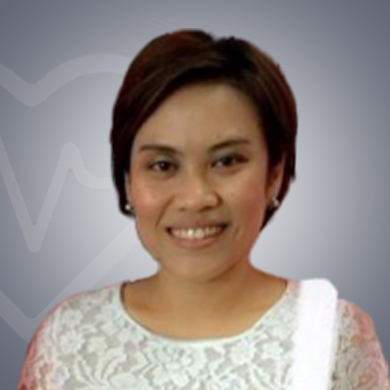
Dr. Wanniga Saengsuri
Vejthani Hospital, Thailand, Bangkok
Surgical Oncologist • 9 years experience
Thai EnglishWanniga Saengsuri, Medical Doctor, Faculty of Medicine,Vajira Hospital, Navamindradhiraj University , Thailand,2005., is a Surgical Oncologist based in Bangkok, Thailand. The doctor has 9 years of professional experience. Wanniga Saengsuri areas of expertise include Lung Cancer, Ependymomas, Oral or Mouth Cancer, Oligodendrogliomas, Cervical Cancer.
Work Experiences
- 2011-2017 Gynecology Oncology at Taksin Hospital ,Bangkok,Thailand.


