Browse verified doctors or let our care team help you find the doctor best suited to your condition, treatment goals, and budget.

Apollo Spectra Hospitals offers advanced Optical Urethrotomy using modern endoscopic and minimally invasive urological techniques and individualized urethral care plans. Established in 2012, the JCI, NABL, UKAS accredited hospital is located in Delhi, India and has 30 beds, providing comprehensive urological, reconstructive, and endourological care for local and international patients.
Optical Urethrotomy is a minimally invasive procedure used to treat selected urethral strictures, in which scar tissue narrows the urethral passage and restricts urine flow. During the procedure, a specialized endoscopic instrument is introduced through the urethra and used to make a controlled incision through the scar tissue, widening the narrowed segment and improving the passage of urine.
Anadolu Medical Center offers advanced Optical Urethrotomy using modern endoscopic and minimally invasive urological techniques and individualized urethral care plans. Established in 2005, the JCI, ISO accredited hospital is located in Kocaeli, Turkey and has 268 beds, providing comprehensive urological, reconstructive, and endourological care for local and international patients.
Optical Urethrotomy is a minimally invasive procedure used to treat selected urethral strictures, in which scar tissue narrows the urethral passage and restricts urine flow. During the procedure, a specialized endoscopic instrument is introduced through the urethra and used to make a controlled incision through the scar tissue, widening the narrowed segment and improving the passage of urine.
I.A.U VM Medical Park Florya Hospital provides specialised Optical Urethrotomy with a focus on precise scar-tissue incision, preservation of healthy urethral tissue, minimally invasive access, and individualized postoperative urological care. Established in 2017, the JCI accredited hospital is located in Istanbul, Turkey and operates 300 beds, with modern endourology, urethroscopy, urinary imaging, laser technology, and postoperative care infrastructure.
Optical Urethrotomy can provide an effective minimally invasive treatment option for appropriately selected patients with urethral strictures. Treatment planning considers the length, location, severity, and recurrence history of the stricture, previous procedures, urinary symptoms, and overall health. A detailed urological assessment helps determine whether optical urethrotomy is appropriate or whether a reconstructive procedure such as urethroplasty may provide a more suitable long-term solution.
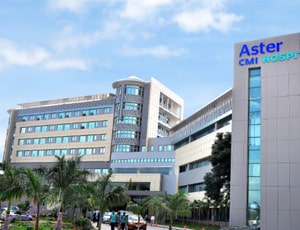
At Aster CMI Hospital, Optical Urethrotomy is performed using specialized endoscopic techniques and comprehensive assessment of urethral narrowing. Established in 2014, this JCI, NABH, NABL accredited hospital in Bangalore, India has 500 beds and offers advanced urology, endourology, reconstructive procedures, and urinary tract care.
Optical Urethrotomy may be considered for appropriately selected patients with short or suitable urethral strictures causing symptoms such as reduced urine flow, difficulty urinating, or incomplete bladder emptying. Before treatment, the urologist may perform urine testing, uroflowmetry, urethroscopy, retrograde urethrography, or other investigations to determine the location and extent of the stricture. During the procedure, the scarred area is carefully incised under direct endoscopic visualization.
Durban, South Africa
Choosing Lenmed Ethekwini Hospital and Heart Centre for Optical Urethrotomy gives patients access to experienced endourologists, advanced urethroscopy and urinary imaging, modern incision and laser systems, specialized anesthesia services, and structured postoperative monitoring. Established in 2002, the accredited hospital in Durban, South Africa has 353 beds and provides specialized treatment for urethral strictures.
Optical Urethrotomy is generally performed under appropriate anaesthesia using an endoscopic instrument inserted through the urethra. The surgeon identifies the narrowed section and makes precise incisions through the scar tissue to restore the urethral opening. A urinary catheter is often placed temporarily after the procedure to support healing. Patients may experience temporary burning during urination, blood in the urine, urinary urgency, or discomfort, while potential complications include infection, bleeding, urinary retention, or recurrence of the stricture.
Czech Medical Center provides specialised Optical Urethrotomy with a focus on precise scar-tissue incision, preservation of healthy urethral tissue, minimally invasive access, and individualized postoperative urological care. Established in 1996, the JCI accredited hospital is located in Brno, Czechia and operates beds, with modern endourology, urethroscopy, urinary imaging, laser technology, and postoperative care infrastructure.
Optical Urethrotomy can provide an effective minimally invasive treatment option for appropriately selected patients with urethral strictures. Treatment planning considers the length, location, severity, and recurrence history of the stricture, previous procedures, urinary symptoms, and overall health. A detailed urological assessment helps determine whether optical urethrotomy is appropriate or whether a reconstructive procedure such as urethroplasty may provide a more suitable long-term solution.
Choosing Burjeel Medical City for Optical Urethrotomy gives patients access to experienced endourologists, advanced urethroscopy and urinary imaging, modern incision and laser systems, specialized anesthesia services, and structured postoperative monitoring. Established in 2017, the ISO accredited hospital in Abu Dhabi, United Arab Emirates has 350 beds and provides specialized treatment for urethral strictures.
Optical Urethrotomy is generally performed under appropriate anaesthesia using an endoscopic instrument inserted through the urethra. The surgeon identifies the narrowed section and makes precise incisions through the scar tissue to restore the urethral opening. A urinary catheter is often placed temporarily after the procedure to support healing. Patients may experience temporary burning during urination, blood in the urine, urinary urgency, or discomfort, while potential complications include infection, bleeding, urinary retention, or recurrence of the stricture.
Biruni University Hospital is a trusted healthcare provider for Optical Urethrotomy, offering minimally invasive treatment for urethral strictures supported by experienced urologists, endourologists, reconstructive surgeons, anesthesiologists, and multidisciplinary urinary care teams. Established in 2016, the JCI accredited hospital is situated in Istanbul, Turkey and has 617 beds.
Optical Urethrotomy works by opening the narrowed urethral segment with a controlled incision, allowing urine to pass more freely. The procedure is performed through the natural urinary passage and does not generally require an external surgical incision. Depending on the patient's anatomy and clinical circumstances, a cold-knife urethrotome or suitable laser technology may be used to divide the scar tissue.
MGM Healthcare is a trusted healthcare provider for Optical Urethrotomy, offering minimally invasive treatment for urethral strictures supported by experienced urologists, endourologists, reconstructive surgeons, anesthesiologists, and multidisciplinary urinary care teams. Established in 2016, the NABH, NABL, JCI accredited hospital is situated in Chennai, India and has 400 beds.
Optical Urethrotomy works by opening the narrowed urethral segment with a controlled incision, allowing urine to pass more freely. The procedure is performed through the natural urinary passage and does not generally require an external surgical incision. Depending on the patient's anatomy and clinical circumstances, a cold-knife urethrotome or suitable laser technology may be used to divide the scar tissue.
Choosing Beverly Wilshire Medical Centre for Optical Urethrotomy gives patients access to experienced endourologists, advanced urethroscopy and urinary imaging, modern incision and laser systems, specialized anesthesia services, and structured postoperative monitoring. Established in 2012, the ISO accredited hospital in Kuala Lumpur, Malaysia it has adequate bed capacity and provides specialized treatment for urethral strictures.
Optical Urethrotomy is generally performed under appropriate anaesthesia using an endoscopic instrument inserted through the urethra. The surgeon identifies the narrowed section and makes precise incisions through the scar tissue to restore the urethral opening. A urinary catheter is often placed temporarily after the procedure to support healing. Patients may experience temporary burning during urination, blood in the urine, urinary urgency, or discomfort, while potential complications include infection, bleeding, urinary retention, or recurrence of the stricture.
MALI Interdisciplinary Hospital offers advanced Optical Urethrotomy using modern endoscopic and minimally invasive urological techniques and individualized urethral care plans. Established in 2021, the NABH, JCI, CBAHI, AACI accredited hospital is located in Bangkok, Thailand and has 100 beds, providing comprehensive urological, reconstructive, and endourological care for local and international patients.
Optical Urethrotomy is a minimally invasive procedure used to treat selected urethral strictures, in which scar tissue narrows the urethral passage and restricts urine flow. During the procedure, a specialized endoscopic instrument is introduced through the urethra and used to make a controlled incision through the scar tissue, widening the narrowed segment and improving the passage of urine.
Fortis Hospital is a trusted healthcare provider for Optical Urethrotomy, offering minimally invasive treatment for urethral strictures supported by experienced urologists, endourologists, reconstructive surgeons, anesthesiologists, and multidisciplinary urinary care teams. Established in 2001, the NABH, NABL, JCI accredited hospital is situated in Bangalore, India and has 375 beds.
Optical Urethrotomy works by opening the narrowed urethral segment with a controlled incision, allowing urine to pass more freely. The procedure is performed through the natural urinary passage and does not generally require an external surgical incision. Depending on the patient's anatomy and clinical circumstances, a cold-knife urethrotome or suitable laser technology may be used to divide the scar tissue.
Faridabad, India
Sarvodaya Hospital and Research Centre offers advanced Optical Urethrotomy using modern endoscopic and minimally invasive urological techniques and individualized urethral care plans. Established in 1997, the NABH, NABL accredited hospital is located in Faridabad, India and has 500 beds, providing comprehensive urological, reconstructive, and endourological care for local and international patients.
Optical Urethrotomy is a minimally invasive procedure used to treat selected urethral strictures, in which scar tissue narrows the urethral passage and restricts urine flow. During the procedure, a specialized endoscopic instrument is introduced through the urethra and used to make a controlled incision through the scar tissue, widening the narrowed segment and improving the passage of urine.
Sharjah, United Arab Emirates
Zulekha Hospital Sharjah provides specialised Optical Urethrotomy with a focus on precise scar-tissue incision, preservation of healthy urethral tissue, minimally invasive access, and individualized postoperative urological care. Established in 1992, the JCI accredited hospital is located in Sharjah, United Arab Emirates and operates 185 beds, with modern endourology, urethroscopy, urinary imaging, laser technology, and postoperative care infrastructure.
Optical Urethrotomy can provide an effective minimally invasive treatment option for appropriately selected patients with urethral strictures. Treatment planning considers the length, location, severity, and recurrence history of the stricture, previous procedures, urinary symptoms, and overall health. A detailed urological assessment helps determine whether optical urethrotomy is appropriate or whether a reconstructive procedure such as urethroplasty may provide a more suitable long-term solution.
Choosing Medipol Mega University Hospital for Optical Urethrotomy gives patients access to experienced endourologists, advanced urethroscopy and urinary imaging, modern incision and laser systems, specialized anesthesia services, and structured postoperative monitoring. Established in 2012, the JCI accredited hospital in Istanbul, Turkey has 810 beds and provides specialized treatment for urethral strictures.
Optical Urethrotomy is generally performed under appropriate anaesthesia using an endoscopic instrument inserted through the urethra. The surgeon identifies the narrowed section and makes precise incisions through the scar tissue to restore the urethral opening. A urinary catheter is often placed temporarily after the procedure to support healing. Patients may experience temporary burning during urination, blood in the urine, urinary urgency, or discomfort, while potential complications include infection, bleeding, urinary retention, or recurrence of the stricture.