Browse verified doctors or let our care team help you find the doctor best suited to your condition, treatment goals, and budget.

At VPS Lakeshore Hospital, ESWL is performed using specialized shock wave lithotripsy techniques and comprehensive urological and imaging assessment. Established in 2003, this NABH, ISO accredited hospital in Kochi, India has 350 beds and offers advanced stone management and minimally invasive urology services.
ESWL may be considered for selected patients with kidney or ureteral stones that are suitable for fragmentation using external shock waves. Before treatment, imaging such as ultrasound, X-ray, or CT may be used to determine the stone's size and location and assess the urinary tract. During the procedure, focused shock waves are directed at the stone to fragment it into smaller pieces, which can subsequently pass through the urine.
Choosing Apollo Multispecialty Hospitals for ESWL gives patients access to experienced urologists, advanced stone-localization imaging, modern lithotripsy systems, and structured post-treatment follow-up. Established in 2003, the JCI, ISO accredited hospital in Kolkata, India has 700 beds and provides specialized urinary stone management services.
ESWL is generally performed as a minimally invasive or non-incisional procedure, with pain control or sedation provided according to the patient's needs and the treatment protocol. The patient is positioned so that the stone can be accurately targeted, and shock waves are delivered to fragment it. After treatment, patients may be advised to maintain appropriate fluid intake and follow instructions for monitoring or passing stone fragments. Follow-up imaging may be used to determine whether residual stones remain.
Apollo Hospital offers advanced ESWL using modern extracorporeal shock wave technology and individualized urological care plans. Established in 1983, the JCI accredited hospital is located in Chennai, India and has 550 beds, providing comprehensive urological and minimally invasive care for local and international patients.
ESWL (Extracorporeal Shock Wave Lithotripsy) is a non-invasive treatment used to break selected kidney or urinary tract stones into smaller fragments that can be passed naturally through the urinary system. The procedure uses focused shock waves directed at the stone from outside the body. Depending on the stone's size, location, composition, and the patient's clinical condition, one or more treatment sessions may be required.
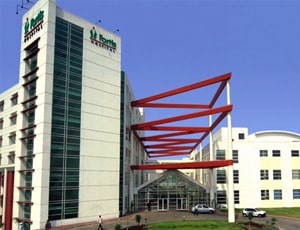
Choosing Fortis Hospital for ESWL gives patients access to experienced urologists, advanced stone-localization imaging, modern lithotripsy systems, and structured post-treatment follow-up. Established in 2004, the NABH, NABL accredited hospital in Noida, India has 400 beds and provides specialized urinary stone management services.
ESWL is generally performed as a minimally invasive or non-incisional procedure, with pain control or sedation provided according to the patient's needs and the treatment protocol. The patient is positioned so that the stone can be accurately targeted, and shock waves are delivered to fragment it. After treatment, patients may be advised to maintain appropriate fluid intake and follow instructions for monitoring or passing stone fragments. Follow-up imaging may be used to determine whether residual stones remain.
Choosing Manipal Hospital, Dwarka for ESWL gives patients access to experienced urologists, advanced stone-localization imaging, modern lithotripsy systems, and structured post-treatment follow-up. Established in 2018, the NABH accredited hospital in Delhi, India has 380 beds and provides specialized urinary stone management services.
ESWL is generally performed as a minimally invasive or non-incisional procedure, with pain control or sedation provided according to the patient's needs and the treatment protocol. The patient is positioned so that the stone can be accurately targeted, and shock waves are delivered to fragment it. After treatment, patients may be advised to maintain appropriate fluid intake and follow instructions for monitoring or passing stone fragments. Follow-up imaging may be used to determine whether residual stones remain.
At Dr. Rela Institute and Medical Centre, ESWL is performed using specialized shock wave lithotripsy techniques and comprehensive urological and imaging assessment. Established in 2018, this NABH, NABL accredited hospital in Chennai, India has 450 beds and offers advanced stone management and minimally invasive urology services.
ESWL may be considered for selected patients with kidney or ureteral stones that are suitable for fragmentation using external shock waves. Before treatment, imaging such as ultrasound, X-ray, or CT may be used to determine the stone's size and location and assess the urinary tract. During the procedure, focused shock waves are directed at the stone to fragment it into smaller pieces, which can subsequently pass through the urine.
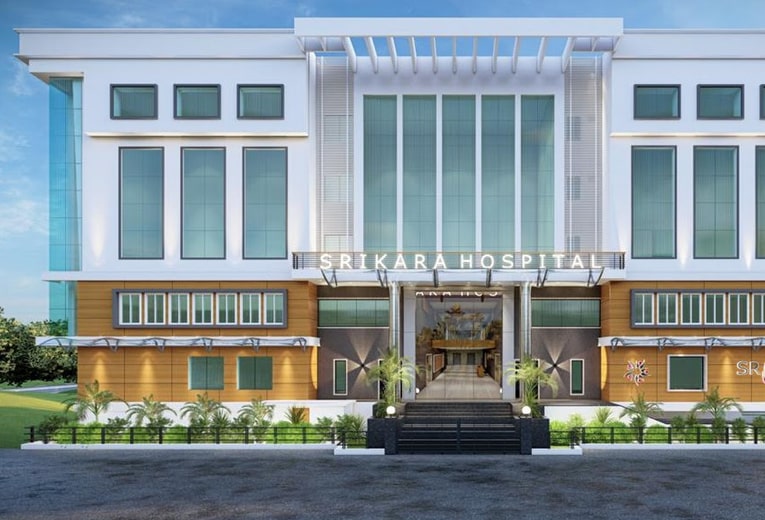
Srikara Hospital, RTC Cross Roads is a trusted healthcare provider for ESWL, offering advanced urinary stone treatment supported by experienced urologists, radiologists, anesthesiologists, and minimally invasive surgery teams. Established in 2013, the NABH- accredited hospital is situated in Hyderabad, India and has 120 beds.
ESWL works by delivering repeated high-energy shock waves through the skin to the targeted urinary stone. The mechanical energy causes the stone to break into smaller fragments without requiring an incision into the urinary tract. Treatment suitability depends on factors such as stone size, location, composition, urinary anatomy, and the presence of obstruction or infection.
MGM Healthcare offers advanced ESWL using modern extracorporeal shock wave technology and individualized urological care plans. Established in 2016, the NABH, NABL, JCI accredited hospital is located in Chennai, India and has 400 beds, providing comprehensive urological and minimally invasive care for local and international patients.
ESWL (Extracorporeal Shock Wave Lithotripsy) is a non-invasive treatment used to break selected kidney or urinary tract stones into smaller fragments that can be passed naturally through the urinary system. The procedure uses focused shock waves directed at the stone from outside the body. Depending on the stone's size, location, composition, and the patient's clinical condition, one or more treatment sessions may be required.
Fortis Hospital is a trusted healthcare provider for ESWL, offering advanced urinary stone treatment supported by experienced urologists, radiologists, anesthesiologists, and minimally invasive surgery teams. Established in 2001, the NABH, NABL, JCI- accredited hospital is situated in Bangalore, India and has 375 beds.
ESWL works by delivering repeated high-energy shock waves through the skin to the targeted urinary stone. The mechanical energy causes the stone to break into smaller fragments without requiring an incision into the urinary tract. Treatment suitability depends on factors such as stone size, location, composition, urinary anatomy, and the presence of obstruction or infection.
Faridabad, India
At Sarvodaya Hospital and Research Centre, ESWL is performed using specialized shock wave lithotripsy techniques and comprehensive urological and imaging assessment. Established in 1997, this NABH, NABL accredited hospital in Faridabad, India has 500 beds and offers advanced stone management and minimally invasive urology services.
ESWL may be considered for selected patients with kidney or ureteral stones that are suitable for fragmentation using external shock waves. Before treatment, imaging such as ultrasound, X-ray, or CT may be used to determine the stone's size and location and assess the urinary tract. During the procedure, focused shock waves are directed at the stone to fragment it into smaller pieces, which can subsequently pass through the urine.
Batra Hospital is a trusted healthcare provider for ESWL, offering advanced urinary stone treatment supported by experienced urologists, radiologists, anesthesiologists, and minimally invasive surgery teams. Established in 1987, the NABH- accredited hospital is situated in Delhi, India and has 495 beds.
ESWL works by delivering repeated high-energy shock waves through the skin to the targeted urinary stone. The mechanical energy causes the stone to break into smaller fragments without requiring an incision into the urinary tract. Treatment suitability depends on factors such as stone size, location, composition, urinary anatomy, and the presence of obstruction or infection.
At Fortis Hiranandani Hospital, ESWL is performed using specialized shock wave lithotripsy techniques and comprehensive urological and imaging assessment. Established in 2007, this NABH accredited hospital in Mumbai, India has 149 beds and offers advanced stone management and minimally invasive urology services.
ESWL may be considered for selected patients with kidney or ureteral stones that are suitable for fragmentation using external shock waves. Before treatment, imaging such as ultrasound, X-ray, or CT may be used to determine the stone's size and location and assess the urinary tract. During the procedure, focused shock waves are directed at the stone to fragment it into smaller pieces, which can subsequently pass through the urine.
Fortis Hospital, Shalimar Bagh offers advanced ESWL using modern extracorporeal shock wave technology and individualized urological care plans. Established in 2010, the NABH accredited hospital is located in Delhi, India and has 262 beds, providing comprehensive urological and minimally invasive care for local and international patients.
ESWL (Extracorporeal Shock Wave Lithotripsy) is a non-invasive treatment used to break selected kidney or urinary tract stones into smaller fragments that can be passed naturally through the urinary system. The procedure uses focused shock waves directed at the stone from outside the body. Depending on the stone's size, location, composition, and the patient's clinical condition, one or more treatment sessions may be required.
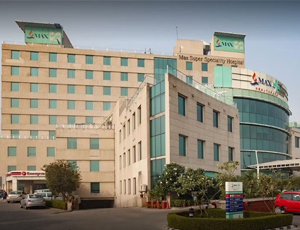
Max Super Specialty Hospital, Shalimar Bagh provides specialised ESWL with a focus on accurate stone targeting, controlled shock wave delivery, and individualized urological care. Established in 2011, the NABH, NABL accredited hospital is located in Delhi, India and operates 402 beds, with modern urology, imaging, lithotripsy, and postoperative monitoring infrastructure.
ESWL can provide a non-invasive treatment option for appropriately selected kidney and ureteral stones. Treatment planning considers stone size, number, location, density, urinary tract anatomy, kidney function, and the presence of obstruction or infection. Detailed imaging helps the urologist determine whether ESWL is suitable and select the appropriate treatment approach. Temporary effects such as blood in the urine, discomfort, bruising, or passage of stone fragments may occur after treatment, while additional procedures may be required if the stone is not adequately fragmented or cleared.
Amrita Hospital is a trusted healthcare provider for ESWL, offering advanced urinary stone treatment supported by experienced urologists, radiologists, anesthesiologists, and minimally invasive surgery teams. Established in 2022, the NABH- accredited hospital is situated in Faridabad, India and has 2600 beds.
ESWL works by delivering repeated high-energy shock waves through the skin to the targeted urinary stone. The mechanical energy causes the stone to break into smaller fragments without requiring an incision into the urinary tract. Treatment suitability depends on factors such as stone size, location, composition, urinary anatomy, and the presence of obstruction or infection.

Nigerian national Mrs. Saadatu Muhammad, 48, suffered from severe abdominal pain that affected her quality of life.

Abdullah's story highlights how modern regenerative treatments can offer new hope for men dealing with erectile dysfunction. With expert medical care, advanced technology,
| Speciality | Urology |
| Procedure | ESWL |
| Success Rate | 85-95% |
| Recovery Time | 2-3 weeks |
| Treatment Time | 30-45 minutes |
| Chances of Recurrence | Moderate |
Yes, most hospitals in India that conduct ESWL use advanced medical technologies. These hospitals utilise modern ESWL machines that can accurately target and break up kidney stones using targeted shock waves. The device is designed to cause the patient as little discomfort as possible while allowing for rapid recovery.
The top hospitals that provide ESWL in India have the following features:
The success rates in ESWL range from 30% to 90%, depending on the size, location, and type of kidney stone, including the patient's general health condition. Larger stones, which are also more in a difficult position, may have lower success rates, but generally, smaller stones cure with much ease.
You can explore the list of trustworthy, accredited hospitals in India that provide ESWL on the MediGence platform. It also shows the profiles of urologists by their experience, success rates, and reviews to help you find the best ones to connect with. This results in a seamless and informed journey to find the most personalised medical solutions for treatment.
Few hospitals in India offer ESWL :
The cost of an ESWL in India typically ranges from (USD 200 - 500), depending on the hospital, location, and the complexity of the procedure.
Many hospitals in India offering ESWL specialise in treating international patients. They arrange travel and accommodation and plan treatment. Even Top-Notch Hospitals like Apollo, Fortis, and Medanta provide excellent treatment and care for their global patients.
There are some of the risks associated with ESWL such as:
Recovery from ESWL in India usually takes 1 to 2 weeks. Most patients can resume regular activities within a few days, though some may experience slight pain or discomfort while their bodies process stone pieces. Drink plenty of fluids to help pass the stone fragments, and avoid vigorous activities for a few days. In some situations, residual stone fragments may take longer to pass, requiring follow-up visits to assess recovery.
You can consult with a Urologist before travelling to India for an ESWL through the MediGence platform. MediGence offers teleconsultations with top Urologists, allowing you to discuss your medical condition, treatment options, and expert advice.
After ESWL surgery, you can resume your regular diet. However, if you experience minor nausea or vomiting during the first 6-8 hours, stick to clear drinks and a light meal. Rest during the first 24 hours and avoid intense activity that may cause blood in the urine, which is usual for up to 4 weeks.
Drink plenty of fluids, strain your urine for 5-7 days to remove any stone fragments, and bring them to your follow-up appointment. There are no incisions.
India is one of the most sought-after destinations for ESWLs due to its advanced healthcare facilities, well-qualified doctors, and cost-effective treatment. The country has world-class medical technology and internationally accredited hospitals. MediGence ensures a hassle-free experience with personalised assistance from selecting the hospital, travel, and post-treatment care.
MediGence will contact you to arrange an appointment for an ESWL in India. Our case manager will connect you with the top hospitals, schedule consultations with the specialists, and guide you throughout the process, including travel and treatment planning.
In India, most ESWL patients stay for one to two days. The surgery is usually performed on an outpatient basis, which means you can return home the same day after some hours of monitoring.
During the ESWL procedure, you lie on a table while the doctor uses specialised equipment, such as X-rays and ultrasound, to locate the stone. After numbing you with anaesthesia, the doctor positions you and uses shock waves to break the stone into smaller pieces. The strength and timing of the waves are regulated to ensure that the stone breaks up correctly.
Yes, there are various alternatives to ESWL in India, such as:
MediGence will assist you in preparing for ESWL in India by providing end-to-end assistance for a hassle-free experience. We connect you with the best hospitals and experienced urologists for an initial consultation, make necessary diagnostic tests, and provide a treatment plan tailored to your needs.
Our Case Manager will help you coordinate travel, visas, and accommodation and provide personalised support during your stay. MediGence offers the best and safest care in state-of-the-art medical facilities.