
Advanced kidney, liver, and bone marrow transplant services are available at Antalya Anadolu Hospital, Antalya, a premier organ transplant facility. Modern surgery suites and specialised intensive care units are available at the hospital to provide the best possible patient results and safety.
The Joint Commission International (JCI) has accredited Antalya Anadolu Hospital in Antalya, demonstrating the hospital's commitment to the highest standards of clinical quality, patient care, and ethical medical practice.
From evaluation and surgery to post-operative rehabilitation, a multidisciplinary transplant team offers individualised care at every stage of the transplant process.
For transplant services in Turkey and the surrounding area, Antalya Anadolu Hospital remains a reliable choice.
Please Enquire


Max Hospital (Gurugram) is one of India's emerging hubs for cutting-edge transplant care. Offering complete transplant treatment, including kidney and liver transplant procedures, the hospital prioritises patient safety and innovation. The dedicated transplant team comprises skilled surgeons, experts, and support personnel who collaborate to ensure the best possible results. Utilising state-of-the-art technology and evidence-based procedures, Max offers individualised pre- and post-transplant care. It is a reputable name in India, expanding the transplant industry because of its dedication to quality. Max Hospital is committed to providing compassionate transplant services up to international standards.


Istinye University Medical Park Gaziosmanpasa Hospital
Istanbul, Turkey
Please Enquire

The Transplant Department at Fortis Escorts Heart Institute, Okhla in India offer organ transplant operations, including kidney, liver, heart, lung, pancreas, and intestine transplants. It involves evaluating recipients, cross-matching possible donors (living or cadaveric), and performing complex surgeries followed by lifelong immunosuppressive therapy to prevent rejection. Continuous care is facilitated through a multidisciplinary approach that includes transplant surgeons, hepatologists, nephrologists, immunologists, and coordinators in India.
Every type of transplant has particular eligibility criteria, which include intensive pre-surgical investigations, counselling, and nutrition. Post-transplant monitoring is necessary to detect complications like organ rejection, infection, and drug side effects. Technologies like robotic surgery, desensitisation plans, and organ preservation have improved success rates.

Kasemrad Hospital Ramkhamhaeng in Thailand provides state-of-the-art transplant facilities, focusing on kidney, liver, and bone marrow transplants. As a Bangkok Chain Hospital network member, it offers end-to-end care using the latest medical technology. Experienced surgeons and multidisciplinary teams back the hospital's transplant program to ensure patient safety and successful results. With its high standards and personalised care, Kasemrad is a popular choice for transplant patients in Thailand. Its centres can manage complicated transplant cases, complementing Thailand's increasing popularity as a destination for medical tourism and specialised care. The hospital goes on to pioneer and develop transplant capabilities.

Zulekha Hospital, Dubai
Dubai, United Arab Emirates
Zulekha Hospital Dubai offers comprehensive kidney care through its Nephrology Department, which has been operational since 2006.
The hospital offers hemodialysis and post-transplant treatment for acute and chronic renal failure. Vascular access treatments, including the development of an arteriovenous fistula and the insertion of a double-lumen catheter, are also available to patients. The nephrology unit provides individualised care with one-on-one nurse support and has state-of-the-art B. Braun Dialog dialysis machines.
Additionally, Zulekha Hospital Dubai provides holiday dialysis services for international patients seeking treatment during their stay in the UAE.

Transplant teams at Liv Hospital Ulus in Turkey are skilled in replacing failing or damaged organs with donor organs. The most common organ transplants are kidney, liver, heart, lung, pancreas, and bone marrow transplants. These intricate procedures require extensive evaluation, matching, and extended post-op care. Multidisciplinary teams of surgeons, physicians, immunologists, and support staff coordinate the surgical procedure and the lifetime care afterwards.
Immunosuppressants are used to forestall rejection, and routine monitoring is continued to diagnose complications early. Pre-transplant evaluation tests the organ's function, infection, and match. Transplant procedures in Turkey provide life-saving therapy for patients with end-stage organ dysfunction, with improved survival and quality of life.
Please Enquire

Indraprastha Apollo Hospital in Delhi has one of the most sophisticated and extensive transplant programs in India, providing a variety of organ and tissue replacements. In 1998, it achieved a significant milestone by becoming the first in India to undertake liver transplants for adults and children. The program, which is backed by state-of-the-art infrastructure and cutting-edge technology, comprises liver, kidney, heart, lung, corneal, intestine, and bone marrow transplants.
The facility offers comprehensive care from pre-transplant examination to post-operative treatment and long-term monitoring. Pediatric gastroenterology, pediatric transplants, and dialysis are further services provided. Patients from around India and overseas are drawn to the program because of its highly qualified staff, JCI accreditation, and international recognition for clinical expertise and positive results.

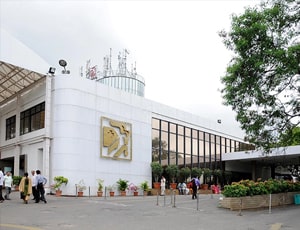
The Transplant Department at Apollo Hospitals (NABH and JCI-accredited) in India offer organ transplant operations, including kidney, liver, heart, lung, pancreas, and intestine transplants. It involves evaluating recipients, cross-matching possible donors (living or cadaveric), and performing complex surgeries followed by lifelong immunosuppressive therapy to prevent rejection. Continuous care is facilitated through a multidisciplinary approach that includes transplant surgeons, hepatologists, nephrologists, immunologists, and coordinators in India.
Every type of transplant has particular eligibility criteria, which include intensive pre-surgical investigations, counselling, and nutrition. Post-transplant monitoring is necessary to detect complications like organ rejection, infection, and drug side effects. Technologies like robotic surgery, desensitisation plans, and organ preservation have improved success rates.

The department of ENT, or Otorhinolaryngology, at Star Hospitals in India treats the ears, nose, throat, head, and neck. Common problems treated include sinusitis, hearing loss, tonsillitis, nasal polyps, sleep apnea, and voice disorders. The ENT department also deals with more complicated cases, such as ear infections in children, head and neck tumors, thyroid nodules, and balance disorders.
Diagnostic procedures involve audiometry, nasal endoscopy, laryngoscopy, and imaging scans. Treatment modalities vary from medical therapy to operations such as septoplasty, tonsillectomy, cochlear implants, and endoscopic sinus surgery. ENT surgeons also carry out reconstructive and cosmetic surgeries for facial trauma or congenital deformity. Pediatric ENT involves speech delay, recurrent infections, and air passage conditions in India.
Please Enquire

The Transplant Department at Sterling Wockhardt Hospital in India coordinates organ transplant operations, including kidney, liver, heart, lung, pancreas, and intestine transplants. It involves evaluating recipients, cross-matching possible donors (living or cadaveric), and performing complex surgeries followed by lifelong immunosuppressive therapy to prevent rejection.
Continuous care is facilitated through a multidisciplinary approach that includes transplant surgeons, hepatologists, nephrologists, immunologists, and coordinators. Every type of transplant has particular eligibility criteria, which include intensive pre-surgical investigations, counselling, and nutrition in India. Post-transplant monitoring is necessary to detect complications like organ rejection, infection, and side effects.


