
Kuala Lumpur's Sunway Medical Centre provides various transplant services, including stem cell and kidney transplants.
With a 90% 10-year survival record for recipients of living donor transplants, the Kidney Transplant Centre offers both living and deceased donor choices. The Bone Marrow Transplant Centre uses a cutting-edge haematology facility with sophisticated equipment for processing and storing stem cells, and specialises in both autologous and allogeneic stem cell transplants.
The hospital's dedication to providing top-notch care following international standards is demonstrated by its accreditation by the Malaysian Society for Quality in Health (MSQH) and the Australian Council on Healthcare Standards (ACHS). Its proficiency in various medical specialisations has also been highlighted by its recognition in Newsweek's Asia's Top Private Hospitals 2025 rating.
Please Enquire

Advanced transplant services, including kidney, liver, and bone marrow transplants, are offered by Bangkok, Thailand's Bangpakok 9 International Hospital (BPK-9). With a diverse team and state-of-the-art medical technology, the hospital guarantees high levels of care while providing each patient with individualised attention.
Bangpakok 9 Worldwide Hospital maintains international standards for patient safety and quality and is accredited by the Joint Commission International (JCI), Thailand Hospital Accreditation (THA), and Global Healthcare Accreditation (GHA).
These certifications demonstrate BPK-9's commitment to delivering exceptional transplant care to patients in the area and beyond, who seek safe, efficient, and compassionate treatment in a state-of-the-art medical setting.

Aster DM Healthcare
Dubai, United Arab Emirates


The Transplant Department at Medanta-The Medicity (JCI and NABH-accredited) in India coordinates organ transplant operations, including kidney, liver, heart, lung, pancreas, and intestinal transplants. It involves evaluating recipients, cross-matching possible donors (living or cadaveric), and performing complex surgeries followed by lifelong immunosuppressive therapy to prevent rejection. Continuous care is facilitated through a multidisciplinary approach that includes transplant surgeons, hepatologists, nephrologists, immunologists, and coordinators in India.
Every type of transplant has particular eligibility criteria, which include intensive pre-surgical investigations, counselling, and nutrition. Post-transplant monitoring is necessary to detect complications like organ rejection, infection, and drug side effects. Technologies like robotic surgery, desensitisation plans, and organ preservation have improved success rates.
Please Enquire
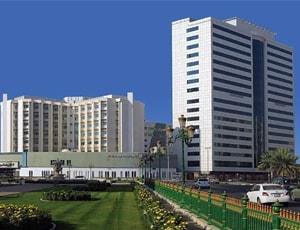
NMC Royal Hospital Sharjah
Sharjah, United Arab Emirates

The Transplant Centre of Phyathai 2 Hospital in Thailand is acclaimed for superior transplant services, such as kidney, liver, and bone marrow transplants. With state-of-the-art facilities, the centre pursues a multidisciplinary approach, providing each transplant patient with complete and individualised care. A group of experienced transplant specialists, surgeons, and support personnel collaborate to maximise results and ensure continuous care from evaluation to recovery. With a firm emphasis on patient safety, state-of-the-art medical technology, and post-transplant surveillance, Phyathai 2 Hospital is a reputable destination in Thailand for those seeking safe and effective transplant care.

Florence Nightingale Hospitals in Istanbul, Turkey, are global leaders in organ transplantation, offering advanced procedures in liver, kidney, heart, pancreas, and bone marrow transplants. The Liver Transplantation Center has performed over 1,500 surgeries and is the only ESOT-recognized training center in Europe. The Kidney Transplantation Center has completed over 1,100 transplants, including robotic and ABO-incompatible cases. The hospital also has strong outcomes in heart transplants and provides artificial heart devices. Bone marrow transplants for leukemia and related diseases are routinely performed. With modern technology and multidisciplinary teams, the hospital delivers world-class transplant care to both local and international patients.
Florence Nightingale Hospital in Turkey is JCI and ISO accredited, ensuring compliance with international healthcare standards.

Parkcity Medical Centre in Kuala Lumpur is a leading private hospital in Malaysia, renowned for its pioneering work in transplant medicine. It was the first private hospital in the country to perform a bone marrow transplant in 1999 and has since built a strong BMT program for adults and children. Parkcity Medical Centre also performed Malaysia’s first open-heart surgery and pediatric liver transplants. Equipped with advanced technology and staffed by experienced specialists, the hospital offers a range of transplant services, including stem cell transplants. Parkcity Medical Centre is known for its clinical excellence, innovation, and multidisciplinary approach, making it a leader in Malaysian healthcare.
ParkCity Medical Centre in Kuala Lumpur has been JCI-accredited. It also holds MSQH accreditation. The centre maintains high standards of care and offers treatment for vascular and thoracic conditions, ensuring quality outcomes and patient satisfaction.
Please Enquire

The Transplant Department at Parkway East Hospital (JCI-accredited) in Singapore offers a range of organ transplantation procedures, including kidney, liver, heart, lung, pancreas, and intestinal transplants. It involves evaluating recipients, matching suitable donors (living or deceased), and performing complex surgeries followed by lifelong immunosuppressive therapy to prevent rejection. A multidisciplinary team is involved, including transplant surgeons, hepatologists, nephrologists, immunologists, and coordinators
Post-transplant monitoring in Singapore is critical to detect complications like organ rejection, infection, and medication side effects. The transplant department also handles ABO-incompatible and pediatric transplants using advanced techniques. Innovations like robotic surgery, desensitisation protocols, and organ preservation methods have improved success rates.

Subang Jaya Medical Centre (SJMC) in Kuala Lumpur is a leading private hospital in Malaysia, renowned for its pioneering work in transplant medicine. It was the first private hospital in the country to perform a bone marrow transplant in 1999 and has since built a strong BMT program for adults and children. SJMC also performed Malaysia’s first open-heart surgery and pediatric liver transplants. Equipped with advanced technology and staffed by experienced specialists, the hospital offers various transplant services, including stem cell transplants. SJMC is known for its clinical excellence, innovation, and multidisciplinary approach, making it a leader in Malaysian healthcare.
Subang Jaya Medical Centre (SJMC) in Kuala Lumpur is accredited by Joint Commission International (JCI) and ISO, reflecting its commitment to global healthcare standards.

Gleneagles Hospital in Parel, Mumbai, is a leading center for multi-organ transplants, having achieved over 800 liver, pancreas, and intestine transplants, along with more than 600 solid organ transplants including kidney, heart, lungs, and hand procedures. The hospital has pioneered several firsts in Western India, such as the first simultaneous liver-kidney transplant, ABO-incompatible pediatric liver transplant, and laparoscopic donor surgery. Its advanced Liver Transplant and HPB unit offers comprehensive care for both adult and pediatric patients, supported by a multidisciplinary team and state-of-the-art facilities. Gleneagles Hospital continues to set benchmarks in transplant medicine, attracting patients from across the globe.
Gleneagles Hospitals, India, is accredited by JCI, reflecting international patient care and safety standards.

Please Enquire


Max Super Specialty Hospital, Vaishali
Ghaziabad, India
Max Super Speciality Hospital in Vaishali, Ghaziabad, provides advanced organ transplant treatments, emphasising long-term patient care, safety, and accuracy.
The facility specialises in kidney and liver transplants, supported by a multidisciplinary team of transplant surgeons, nephrologists, hepatologists, and critical care specialists. Due to its NABH and NABL accreditation, Max Super Speciality Hospital is guaranteed to uphold the highest standards of ethical behaviour and clinical performance.
With its cutting-edge facilities, specialised intensive care units, and sophisticated post-operative care, Max Super Speciality Hospital offers a wide range of transplant therapies to improve patient and donor outcomes and quality of life.


