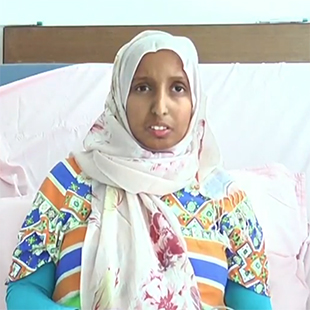
Outcomes of Bone Marrow Transplant
| Speciality | Transplants |
| Procedure | Bone Marrow Transplant |
| Success Rate | Varies by condition |
| Recovery Time | 6-12 months |
| Treatment Time | Several hours to days |
| Chances of Recurrence | Varies by condition |
What is a Bone Marrow Transplant and how does it work?
A bone marrow transplant is a medical procedure that involves replacing damaged or diseased bone marrow with healthy stem cells. The process typically begins with conditioning therapy, which involves high-dose chemotherapy or radiation to destroy the unhealthy bone marrow. Then, healthy stem cells are infused into the patient's bloodstream, where they travel to the bone marrow and start producing new, healthy blood cells. The transplant aims to restore the patient's ability to produce normal blood cells and improve their overall health.
What medical conditions can be treated through Bone Marrow Transplant?
A bone marrow transplant is primarily used to treat hematological conditions, including leukemia, lymphoma, myelodysplastic syndromes, aplastic anemia, and certain genetic disorders like sickle cell disease and thalassemia. These conditions involve abnormalities in the bone marrow's ability to produce healthy blood cells.
What is the recovery process after a Bone Marrow Transplant?
The recovery process following a bone marrow transplant is complicated and unique to each patient. Initially, the patient may experience nausea, fatigue, and an increased risk of infection as a result of the conditioning therapy. Following the transplant, the recovery period entails close monitoring and supportive care. The patient will be given medications to suppress the immune system and prevent graft-versus-host disease. The transplanted stem cells will engraft and begin producing new blood cells over time. Typically, the recovery period lasts several months, during which the patient receives regular follow-up visits, blood tests, and supportive care to manage any potential complications and ensure the transplant's success.