Browse verified doctors or let our care team help you find the doctor best suited to your condition, treatment goals, and budget.

At Assuta Hospital, patients can access Autologous Chondrocyte Implantation (ACI) through specialised cartilage restoration facilities staffed by experienced orthopaedic specialists. Established in 1934, the JCI hospital is located in Tel Aviv, Israel, and has 300 beds.
ACI uses the patient's own cartilage cells to help repair a localised cartilage defect. The treatment generally involves two stages: harvesting healthy chondrocytes and expanding them in a laboratory, followed by implantation into the damaged area. Imaging and clinical assessment help determine whether the patient is suitable for this treatment.
Anadolu Medical Center offers specialised Autologous Chondrocyte Implantation (ACI) using modern cartilage restoration technology and established orthopaedic treatment protocols. Established in 2005, the JCI, ISO hospital is situated in Kocaeli, Turkey, with 268 beds, serving local and international patients.
ACI is designed to support the repair of damaged joint cartilage using the patient's own cartilage cells. Treatment typically involves harvesting cells during an initial procedure, expanding them in the laboratory, and implanting them into the cartilage defect during a subsequent procedure. Before treatment, the orthopaedic team evaluates the patient's symptoms, cartilage defect, joint condition, imaging results, and suitability for cell-based cartilage restoration.
At I.A.U VM Medical Park Florya Hospital, patients can access Autologous Chondrocyte Implantation (ACI) through specialised cartilage restoration facilities staffed by experienced orthopaedic specialists. Established in 2017, the JCI hospital is located in Istanbul, Turkey, and has 300 beds.
ACI uses the patient's own cartilage cells to help repair a localised cartilage defect. The treatment generally involves two stages: harvesting healthy chondrocytes and expanding them in a laboratory, followed by implantation into the damaged area. Imaging and clinical assessment help determine whether the patient is suitable for this treatment.
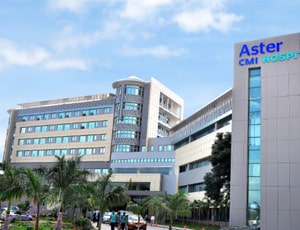
Aster CMI Hospital provides Autologous Chondrocyte Implantation using contemporary cell-based cartilage repair techniques and evidence-based orthopaedic care. Founded in 2014, the JCI, NABH, NABL hospital is based in Bangalore, India, with 500 beds and services for domestic and international patients.
During ACI, a small sample of healthy cartilage is collected, and the chondrocytes are expanded under controlled laboratory conditions. The cultured cells are subsequently placed into the cartilage defect to support tissue repair. Before treatment, specialists assess cartilage damage, joint alignment, stability, imaging findings, and the patient's overall health.
Czech Medical Center offers advanced Autologous Chondrocyte Implantation (ACI) using modern cartilage restoration techniques and internationally accepted treatment protocols. Established in 1996, the JCI hospital is located in Brno, Czechia, with beds and provides specialised orthopaedic care for local and international patients.
ACI is a cartilage restoration procedure used to treat selected focal cartilage defects, particularly in the knee. Healthy cartilage cells are collected from the patient's joint, expanded in a laboratory, and later implanted into the damaged area. The orthopaedic specialist evaluates the size and location of the cartilage defect, joint stability, and overall knee health before treatment.
With advanced orthopaedic and cartilage-care infrastructure, Biruni University Hospital offers Autologous Chondrocyte Implantation (ACI) for eligible patients with specific cartilage injuries. Established in 2016, the JCI hospital is located in Istanbul, Turkey, and has 617 beds.
ACI may be considered for symptomatic, localised cartilage defects when other treatments have not provided adequate relief. The patient's own cartilage cells are harvested, multiplied in a laboratory, and later implanted into the affected area. A detailed evaluation of the cartilage lesion and surrounding joint structures is performed before treatment.
With advanced orthopaedic and cartilage-care infrastructure, MGM Healthcare offers Autologous Chondrocyte Implantation (ACI) for eligible patients with specific cartilage injuries. Established in 2016, the NABH, NABL, JCI hospital is located in Chennai, India, and has 400 beds.
ACI may be considered for symptomatic, localised cartilage defects when other treatments have not provided adequate relief. The patient's own cartilage cells are harvested, multiplied in a laboratory, and later implanted into the affected area. A detailed evaluation of the cartilage lesion and surrounding joint structures is performed before treatment.
With advanced orthopaedic and cartilage-care infrastructure, Beverly Wilshire Medical Centre offers Autologous Chondrocyte Implantation (ACI) for eligible patients with specific cartilage injuries. Established in 2012, the ISO hospital is located in Kuala Lumpur, Malaysia, and it has adequate bed capacity.
ACI may be considered for symptomatic, localised cartilage defects when other treatments have not provided adequate relief. The patient's own cartilage cells are harvested, multiplied in a laboratory, and later implanted into the affected area. A detailed evaluation of the cartilage lesion and surrounding joint structures is performed before treatment.
Sharjah, United Arab Emirates
Zulekha Hospital Sharjah offers advanced Autologous Chondrocyte Implantation (ACI) using modern cartilage restoration techniques and internationally accepted treatment protocols. Established in 1992, the JCI hospital is located in Sharjah, United Arab Emirates, with 185 beds and provides specialised orthopaedic care for local and international patients.
ACI is a cartilage restoration procedure used to treat selected focal cartilage defects, particularly in the knee. Healthy cartilage cells are collected from the patient's joint, expanded in a laboratory, and later implanted into the damaged area. The orthopaedic specialist evaluates the size and location of the cartilage defect, joint stability, and overall knee health before treatment.
Apollo Hospitals Bannerghatta provides Autologous Chondrocyte Implantation using contemporary cell-based cartilage repair techniques and evidence-based orthopaedic care. Founded in 2007, the JCI hospital is based in Bangalore, India, with 350 beds and services for domestic and international patients.
During ACI, a small sample of healthy cartilage is collected, and the chondrocytes are expanded under controlled laboratory conditions. The cultured cells are subsequently placed into the cartilage defect to support tissue repair. Before treatment, specialists assess cartilage damage, joint alignment, stability, imaging findings, and the patient's overall health.
Fortis Hospital provides Autologous Chondrocyte Implantation using contemporary cell-based cartilage repair techniques and evidence-based orthopaedic care. Founded in 2001, the NABH, NABL, JCI hospital is based in Bangalore, India, with 375 beds and services for domestic and international patients.
During ACI, a small sample of healthy cartilage is collected, and the chondrocytes are expanded under controlled laboratory conditions. The cultured cells are subsequently placed into the cartilage defect to support tissue repair. Before treatment, specialists assess cartilage damage, joint alignment, stability, imaging findings, and the patient's overall health.
Medipol Mega University Hospital offers advanced Autologous Chondrocyte Implantation (ACI) using modern cartilage restoration techniques and internationally accepted treatment protocols. Established in 2012, the JCI hospital is located in Istanbul, Turkey, with 810 beds and provides specialised orthopaedic care for local and international patients.
ACI is a cartilage restoration procedure used to treat selected focal cartilage defects, particularly in the knee. Healthy cartilage cells are collected from the patient's joint, expanded in a laboratory, and later implanted into the damaged area. The orthopaedic specialist evaluates the size and location of the cartilage defect, joint stability, and overall knee health before treatment.
With advanced orthopaedic and cartilage-care infrastructure, Fortis Hospital offers Autologous Chondrocyte Implantation (ACI) for eligible patients with specific cartilage injuries. Established in 2011, the NABH, NABL hospital is located in Kolkata, India, and has 400 beds.
ACI may be considered for symptomatic, localised cartilage defects when other treatments have not provided adequate relief. The patient's own cartilage cells are harvested, multiplied in a laboratory, and later implanted into the affected area. A detailed evaluation of the cartilage lesion and surrounding joint structures is performed before treatment.
Medicover Hungary provides Autologous Chondrocyte Implantation using contemporary cell-based cartilage repair techniques and evidence-based orthopaedic care. Founded in 2015, the ISO hospital is based in Budapest, Hungary, with 30 beds and services for domestic and international patients.
During ACI, a small sample of healthy cartilage is collected, and the chondrocytes are expanded under controlled laboratory conditions. The cultured cells are subsequently placed into the cartilage defect to support tissue repair. Before treatment, specialists assess cartilage damage, joint alignment, stability, imaging findings, and the patient's overall health.
At Medical Park Fatih Hospital, patients can access Autologous Chondrocyte Implantation (ACI) through specialised cartilage restoration facilities staffed by experienced orthopaedic specialists. Established in 2007, the JCI hospital is located in Istanbul, Turkey, and has 246 beds.
ACI uses the patient's own cartilage cells to help repair a localised cartilage defect. The treatment generally involves two stages: harvesting healthy chondrocytes and expanding them in a laboratory, followed by implantation into the damaged area. Imaging and clinical assessment help determine whether the patient is suitable for this treatment.