Browse verified doctors or let our care team help you find the doctor best suited to your condition, treatment goals, and budget.

With advanced orthopaedic and cartilage-care infrastructure, Prince Court Medical Centre offers Autologous Chondrocyte Implantation (ACI) for eligible patients with specific cartilage injuries. Established in 2007, the MSQH hospital is located in Kuala Lumpur, Malaysia, and has 277 beds.
ACI may be considered for symptomatic, localised cartilage defects when other treatments have not provided adequate relief. The patient's own cartilage cells are harvested, multiplied in a laboratory, and later implanted into the affected area. A detailed evaluation of the cartilage lesion and surrounding joint structures is performed before treatment.
Dubai, United Arab Emirates
Burjeel Hospital for Advanced Surgery Dubai provides Autologous Chondrocyte Implantation using contemporary cell-based cartilage repair techniques and evidence-based orthopaedic care. Founded in 2023, the JCI hospital is based in Dubai, United Arab Emirates, with 100 beds and services for domestic and international patients.
During ACI, a small sample of healthy cartilage is collected, and the chondrocytes are expanded under controlled laboratory conditions. The cultured cells are subsequently placed into the cartilage defect to support tissue repair. Before treatment, specialists assess cartilage damage, joint alignment, stability, imaging findings, and the patient's overall health.
Mount Elizabeth Novena Hospital offers specialised Autologous Chondrocyte Implantation (ACI) using modern cartilage restoration technology and established orthopaedic treatment protocols. Established in 2012, the JCI hospital is situated in Novena, Singapore, with 313 beds, serving local and international patients.
ACI is designed to support the repair of damaged joint cartilage using the patient's own cartilage cells. Treatment typically involves harvesting cells during an initial procedure, expanding them in the laboratory, and implanting them into the cartilage defect during a subsequent procedure. Before treatment, the orthopaedic team evaluates the patient's symptoms, cartilage defect, joint condition, imaging results, and suitability for cell-based cartilage restoration.
Asan Medical Centre offers specialised Autologous Chondrocyte Implantation (ACI) using modern cartilage restoration technology and established orthopaedic treatment protocols. Established in 1989, the ISO hospital is situated in Seoul, South Korea, with 2700 beds, serving local and international patients.
ACI is designed to support the repair of damaged joint cartilage using the patient's own cartilage cells. Treatment typically involves harvesting cells during an initial procedure, expanding them in the laboratory, and implanting them into the cartilage defect during a subsequent procedure. Before treatment, the orthopaedic team evaluates the patient's symptoms, cartilage defect, joint condition, imaging results, and suitability for cell-based cartilage restoration.
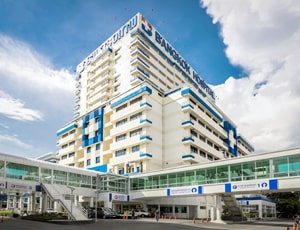
At Bangkok Hospital, patients can access Autologous Chondrocyte Implantation (ACI) through specialised cartilage restoration facilities staffed by experienced orthopaedic specialists. Established in 1972, the JCI hospital is located in Bangkok, Thailand, and has 580 beds.
ACI uses the patient's own cartilage cells to help repair a localised cartilage defect. The treatment generally involves two stages: harvesting healthy chondrocytes and expanding them in a laboratory, followed by implantation into the damaged area. Imaging and clinical assessment help determine whether the patient is suitable for this treatment.
Mount Elizabeth Hospital offers specialised Autologous Chondrocyte Implantation (ACI) using modern cartilage restoration technology and established orthopaedic treatment protocols. Established in 1979, the JCI hospital is situated in Singapore, Singapore, with 345 beds, serving local and international patients.
ACI is designed to support the repair of damaged joint cartilage using the patient's own cartilage cells. Treatment typically involves harvesting cells during an initial procedure, expanding them in the laboratory, and implanting them into the cartilage defect during a subsequent procedure. Before treatment, the orthopaedic team evaluates the patient's symptoms, cartilage defect, joint condition, imaging results, and suitability for cell-based cartilage restoration.
Delhi, India
With advanced orthopaedic and cartilage-care infrastructure, BLK-Max Super Speciality Hospital offers Autologous Chondrocyte Implantation (ACI) for eligible patients with specific cartilage injuries. Established in 1959, the JCI, NABH hospital is located in Delhi, India, and has 650 beds.
ACI may be considered for symptomatic, localised cartilage defects when other treatments have not provided adequate relief. The patient's own cartilage cells are harvested, multiplied in a laboratory, and later implanted into the affected area. A detailed evaluation of the cartilage lesion and surrounding joint structures is performed before treatment.
Kings College Hospital Dubai provides Autologous Chondrocyte Implantation using contemporary cell-based cartilage repair techniques and evidence-based orthopaedic care. Founded in 2019, the JCI hospital is based in Dubai, United Arab Emirates, with 100 beds and services for domestic and international patients.
During ACI, a small sample of healthy cartilage is collected, and the chondrocytes are expanded under controlled laboratory conditions. The cultured cells are subsequently placed into the cartilage defect to support tissue repair. Before treatment, specialists assess cartilage damage, joint alignment, stability, imaging findings, and the patient's overall health.
Parkway Pantai offers advanced Autologous Chondrocyte Implantation (ACI) using modern cartilage restoration techniques and internationally accepted treatment protocols. Established in 1974, the JCI, MSQH hospital is located in Kuala Lumpur, Malaysia, with 499 beds and provides specialised orthopaedic care for local and international patients.
ACI is a cartilage restoration procedure used to treat selected focal cartilage defects, particularly in the knee. Healthy cartilage cells are collected from the patient's joint, expanded in a laboratory, and later implanted into the damaged area. The orthopaedic specialist evaluates the size and location of the cartilage defect, joint stability, and overall knee health before treatment.
With advanced orthopaedic and cartilage-care infrastructure, Vejthani Hospital offers Autologous Chondrocyte Implantation (ACI) for eligible patients with specific cartilage injuries. Established in 1994, the JCI hospital is located in Bangkok, Thailand, and has 263 beds.
ACI may be considered for symptomatic, localised cartilage defects when other treatments have not provided adequate relief. The patient's own cartilage cells are harvested, multiplied in a laboratory, and later implanted into the affected area. A detailed evaluation of the cartilage lesion and surrounding joint structures is performed before treatment.
Memorial Ankara Hospital offers advanced Autologous Chondrocyte Implantation (ACI) using modern cartilage restoration techniques and internationally accepted treatment protocols. Established in 2014, the JCI hospital is located in Ankara, Turkey, with 230 beds and provides specialised orthopaedic care for local and international patients.
ACI is a cartilage restoration procedure used to treat selected focal cartilage defects, particularly in the knee. Healthy cartilage cells are collected from the patient's joint, expanded in a laboratory, and later implanted into the damaged area. The orthopaedic specialist evaluates the size and location of the cartilage defect, joint stability, and overall knee health before treatment.
Sunway Medical Centre offers advanced Autologous Chondrocyte Implantation (ACI) using modern cartilage restoration techniques and internationally accepted treatment protocols. Established in 1999, the ACHS hospital is located in Kuala Lumpur, Malaysia, with 724 beds and provides specialised orthopaedic care for local and international patients.
ACI is a cartilage restoration procedure used to treat selected focal cartilage defects, particularly in the knee. Healthy cartilage cells are collected from the patient's joint, expanded in a laboratory, and later implanted into the damaged area. The orthopaedic specialist evaluates the size and location of the cartilage defect, joint stability, and overall knee health before treatment.
Bangpakok 9 International Hospital offers advanced Autologous Chondrocyte Implantation (ACI) using modern cartilage restoration techniques and internationally accepted treatment protocols. Established in 2003, the JCI, GHA hospital is located in Bangkok, Thailand, with 300 beds and provides specialised orthopaedic care for local and international patients.
ACI is a cartilage restoration procedure used to treat selected focal cartilage defects, particularly in the knee. Healthy cartilage cells are collected from the patient's joint, expanded in a laboratory, and later implanted into the damaged area. The orthopaedic specialist evaluates the size and location of the cartilage defect, joint stability, and overall knee health before treatment.
Dubai, United Arab Emirates
At Aster DM Healthcare, patients can access Autologous Chondrocyte Implantation (ACI) through specialised cartilage restoration facilities staffed by experienced orthopaedic specialists. Established in 1987, the JCI, NABH, NABL hospital is located in Dubai, United Arab Emirates, and has 114 beds.
ACI uses the patient's own cartilage cells to help repair a localised cartilage defect. The treatment generally involves two stages: harvesting healthy chondrocytes and expanding them in a laboratory, followed by implantation into the damaged area. Imaging and clinical assessment help determine whether the patient is suitable for this treatment.
Medipol Bahçelievler Hospital offers specialised Autologous Chondrocyte Implantation (ACI) using modern cartilage restoration technology and established orthopaedic treatment protocols. Established in 2022, the JCI hospital is situated in Istanbul, Turkey, with 441 beds, serving local and international patients.
ACI is designed to support the repair of damaged joint cartilage using the patient's own cartilage cells. Treatment typically involves harvesting cells during an initial procedure, expanding them in the laboratory, and implanting them into the cartilage defect during a subsequent procedure. Before treatment, the orthopaedic team evaluates the patient's symptoms, cartilage defect, joint condition, imaging results, and suitability for cell-based cartilage restoration.