Explore trusted hospitals and care options, or get personalised support to find a suitable option based on your treatment needs, preferences, and budget.

Medeor Hospital offers advanced Vitrectomy using modern vitreoretinal surgical techniques and specialized ophthalmic equipment. Established in 2007, the NABH, NABL accredited hospital is located in Delhi, India and has 100 beds, providing comprehensive eye care for local and international patients.
Vitrectomy is a microsurgical procedure in which some or all of the vitreous gel inside the eye is removed and replaced with a suitable solution or, when required, a gas bubble or silicone oil. It may be performed to treat retinal detachment, vitreous hemorrhage, macular hole, epiretinal membrane, or certain complications of diabetic eye disease. The surgeon may also use the procedure to access and repair the retina. A detailed retinal examination and imaging are usually performed before surgery to determine the appropriate technique.
Choosing Asian Institute of Medical Sciences for Vitrectomy gives patients access to experienced retinal specialists, high-resolution diagnostic imaging, and modern vitreoretinal surgical technology. Established in 2010, the NABL, NABH accredited hospital in Faridabad, India has 425 beds and provides specialized retinal care.
Vitrectomy may be considered when bleeding, scar tissue, abnormal vitreous changes, or retinal disorders significantly affect vision. The procedure involves removing the vitreous gel through small surgical openings and treating the underlying cause. For example, the surgeon may remove scar tissue causing retinal traction or repair a detached retina. A gas bubble or silicone oil may be placed inside the eye when additional internal support is needed. Patients receiving a gas bubble may need to follow specific positioning instructions and avoid air travel until the gas has completely resolved.
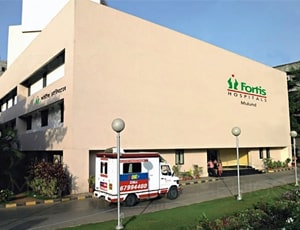
Fortis Hospital, Mulund is a trusted healthcare provider for Vitrectomy, offering specialized vitreoretinal surgery supported by experienced ophthalmic surgeons and advanced operating facilities. Established in 2002, the JCI, NABH accredited hospital is situated in Mumbai, India and has 315 beds.
Vitrectomy is used to remove cloudy, hemorrhagic, or structurally abnormal vitreous material and provide access to the retina. It can form part of treatment for conditions such as tractional retinal detachment, retinal tears, persistent vitreous bleeding, macular disorders, and some severe eye injuries. The surgeon works through small ports in the eye using high-magnification visualization. Depending on the diagnosis, additional procedures may be performed to stabilize or repair the retina. Post-operative follow-up is important to assess retinal healing and visual recovery.
Gurgaon, India
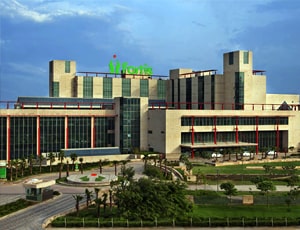
Fortis Memorial Research Institute is a trusted healthcare provider for Vitrectomy, offering specialized vitreoretinal surgery supported by experienced ophthalmic surgeons and advanced operating facilities. Established in 2013, the JCI, NABH, NABL accredited hospital is situated in Gurgaon, India and has 311 beds.
Vitrectomy is used to remove cloudy, hemorrhagic, or structurally abnormal vitreous material and provide access to the retina. It can form part of treatment for conditions such as tractional retinal detachment, retinal tears, persistent vitreous bleeding, macular disorders, and some severe eye injuries. The surgeon works through small ports in the eye using high-magnification visualization. Depending on the diagnosis, additional procedures may be performed to stabilize or repair the retina. Post-operative follow-up is important to assess retinal healing and visual recovery.
Delhi, India
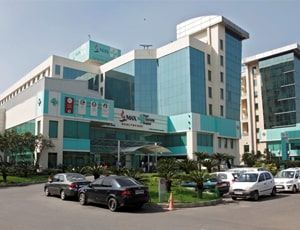
Max Super Speciality Hospital, Saket is a trusted healthcare provider for Vitrectomy, offering specialized vitreoretinal surgery supported by experienced ophthalmic surgeons and advanced operating facilities. Established in 2006, the JCI, NABH accredited hospital is situated in Delhi, India and has 539 beds.
Vitrectomy is used to remove cloudy, hemorrhagic, or structurally abnormal vitreous material and provide access to the retina. It can form part of treatment for conditions such as tractional retinal detachment, retinal tears, persistent vitreous bleeding, macular disorders, and some severe eye injuries. The surgeon works through small ports in the eye using high-magnification visualization. Depending on the diagnosis, additional procedures may be performed to stabilize or repair the retina. Post-operative follow-up is important to assess retinal healing and visual recovery.
Bangalore, India
Manipal Hospital, Hebbal offers advanced Vitrectomy using modern vitreoretinal surgical techniques and specialized ophthalmic equipment. Established in 1991, the NABL, NABH accredited hospital is located in Bangalore, India and has 280 beds, providing comprehensive eye care for local and international patients.
Vitrectomy is a microsurgical procedure in which some or all of the vitreous gel inside the eye is removed and replaced with a suitable solution or, when required, a gas bubble or silicone oil. It may be performed to treat retinal detachment, vitreous hemorrhage, macular hole, epiretinal membrane, or certain complications of diabetic eye disease. The surgeon may also use the procedure to access and repair the retina. A detailed retinal examination and imaging are usually performed before surgery to determine the appropriate technique.
Chennai, India
At The Madras Institute of Orthopedics and Traumatology, Vitrectomy is performed using advanced retinal imaging, microsurgical instruments, and personalized treatment planning. Established in 1999, this JCI, NABH accredited hospital in Chennai, India has 1000 beds and offers specialized vitreoretinal services.
Vitrectomy may be recommended when abnormalities within the vitreous or retina interfere with vision or threaten retinal health. During the operation, the ophthalmic surgeon creates tiny openings in the eye and uses specialized instruments to remove the vitreous gel and address the underlying retinal problem. Depending on the condition, laser treatment, cryotherapy, membrane removal, or retinal repair may be performed during the same procedure. In selected cases, a gas bubble or silicone oil is used to support the retina during healing.
Ghaziabad, India
Manipal Hospital, Ghaziabad provides specialized Vitrectomy with a focus on precise retinal surgery, preservation of vision, and individualized post-operative care. Established in 2010, the NABH, NABL accredited hospital is located in Ghaziabad, India and operates 9500 beds with modern ophthalmic infrastructure.
Vitrectomy is a surgical technique used to manage diseases affecting the vitreous and retina when less invasive treatments are insufficient. It may be performed for macular holes, epiretinal membranes, retinal detachments, non-clearing vitreous hemorrhage, or selected complications associated with diabetic retinopathy. During surgery, the surgeon removes the vitreous and may perform procedures such as membrane peeling, endolaser, or retinal fluid drainage. The eye may then be filled with a balanced solution, gas, or silicone oil depending on the surgical requirement. Recovery varies according to the underlying condition and additional retinal procedures performed.
The Fertility In is a trusted healthcare provider for Vitrectomy, offering specialized vitreoretinal surgery supported by experienced ophthalmic surgeons and advanced operating facilities. Established in 2016, the accredited hospital is situated in Gurugram, India and it has adequate bed capacity.
Vitrectomy is used to remove cloudy, hemorrhagic, or structurally abnormal vitreous material and provide access to the retina. It can form part of treatment for conditions such as tractional retinal detachment, retinal tears, persistent vitreous bleeding, macular disorders, and some severe eye injuries. The surgeon works through small ports in the eye using high-magnification visualization. Depending on the diagnosis, additional procedures may be performed to stabilize or repair the retina. Post-operative follow-up is important to assess retinal healing and visual recovery.
At Apollo Hospital, Vitrectomy is performed using advanced retinal imaging, microsurgical instruments, and personalized treatment planning. Established in 1983, this JCI accredited hospital in Chennai, India has 550 beds and offers specialized vitreoretinal services.
Vitrectomy may be recommended when abnormalities within the vitreous or retina interfere with vision or threaten retinal health. During the operation, the ophthalmic surgeon creates tiny openings in the eye and uses specialized instruments to remove the vitreous gel and address the underlying retinal problem. Depending on the condition, laser treatment, cryotherapy, membrane removal, or retinal repair may be performed during the same procedure. In selected cases, a gas bubble or silicone oil is used to support the retina during healing.
At Apollo Multispecialty Hospitals, Vitrectomy is performed using advanced retinal imaging, microsurgical instruments, and personalized treatment planning. Established in 2003, this JCI, ISO accredited hospital in Kolkata, India has 700 beds and offers specialized vitreoretinal services.
Vitrectomy may be recommended when abnormalities within the vitreous or retina interfere with vision or threaten retinal health. During the operation, the ophthalmic surgeon creates tiny openings in the eye and uses specialized instruments to remove the vitreous gel and address the underlying retinal problem. Depending on the condition, laser treatment, cryotherapy, membrane removal, or retinal repair may be performed during the same procedure. In selected cases, a gas bubble or silicone oil is used to support the retina during healing.
BGS Gleneagles Global Hospitals is a trusted healthcare provider for Vitrectomy, offering specialized vitreoretinal surgery supported by experienced ophthalmic surgeons and advanced operating facilities. Established in 2007, the NABH, NABL accredited hospital is situated in Bangalore, India and has 500 beds.
Vitrectomy is used to remove cloudy, hemorrhagic, or structurally abnormal vitreous material and provide access to the retina. It can form part of treatment for conditions such as tractional retinal detachment, retinal tears, persistent vitreous bleeding, macular disorders, and some severe eye injuries. The surgeon works through small ports in the eye using high-magnification visualization. Depending on the diagnosis, additional procedures may be performed to stabilize or repair the retina. Post-operative follow-up is important to assess retinal healing and visual recovery.
nM Virani Wockhardt provides specialized Vitrectomy with a focus on precise retinal surgery, preservation of vision, and individualized post-operative care. Established in 1998, the NABH accredited hospital is located in Rajkot, India and operates 280 beds with modern ophthalmic infrastructure.
Vitrectomy is a surgical technique used to manage diseases affecting the vitreous and retina when less invasive treatments are insufficient. It may be performed for macular holes, epiretinal membranes, retinal detachments, non-clearing vitreous hemorrhage, or selected complications associated with diabetic retinopathy. During surgery, the surgeon removes the vitreous and may perform procedures such as membrane peeling, endolaser, or retinal fluid drainage. The eye may then be filled with a balanced solution, gas, or silicone oil depending on the surgical requirement. Recovery varies according to the underlying condition and additional retinal procedures performed.
Fortis Hospital is a trusted healthcare provider for Vitrectomy, offering specialized vitreoretinal surgery supported by experienced ophthalmic surgeons and advanced operating facilities. Established in 2004, the NABH, NABL accredited hospital is situated in Noida, India and has 400 beds.
Vitrectomy is used to remove cloudy, hemorrhagic, or structurally abnormal vitreous material and provide access to the retina. It can form part of treatment for conditions such as tractional retinal detachment, retinal tears, persistent vitreous bleeding, macular disorders, and some severe eye injuries. The surgeon works through small ports in the eye using high-magnification visualization. Depending on the diagnosis, additional procedures may be performed to stabilize or repair the retina. Post-operative follow-up is important to assess retinal healing and visual recovery.
VPS Lakeshore Hospital is a trusted healthcare provider for Vitrectomy, offering specialized vitreoretinal surgery supported by experienced ophthalmic surgeons and advanced operating facilities. Established in 2003, the NABH, ISO accredited hospital is situated in Kochi, India and has 350 beds.
Vitrectomy is used to remove cloudy, hemorrhagic, or structurally abnormal vitreous material and provide access to the retina. It can form part of treatment for conditions such as tractional retinal detachment, retinal tears, persistent vitreous bleeding, macular disorders, and some severe eye injuries. The surgeon works through small ports in the eye using high-magnification visualization. Depending on the diagnosis, additional procedures may be performed to stabilize or repair the retina. Post-operative follow-up is important to assess retinal healing and visual recovery.

Hailing from a small village in Ghana, Gladys Appiah, a woman of 34 years of age, has been suffering from eye problems for a long…

Master Aaron Larhubarbe, an 8-year-old boy from Mauritius, has been experiencing blurred sight due to problems with his eyes.
| Speciality | Ophthalmology |
| Procedure | Vitrectomy |
| Success Rate | Varies by condition |
| Recovery Time | Several weeks to several months |
| Treatment Time | 1-2 hours |
| Chances of Recurrence | Varies by condition |
Several Indian hospitals use the most up-to-date medical technology to perform vitrectomy procedures. These hospitals perform precision surgery using cutting-edge equipment to ensure better results and a faster recovery.
The top hospitals that provide Vitrectomy in India have the following features:
In India, the success rate of vitrectomy is generally good, and most patients achieve a marked improvement in their vision. Some of the variables that influence the success of the surgery include the medical condition being treated and the timing of the surgery. Success rates often fall between 80% and 90%.
With MediGence's assistance, you can easily find Indian hospitals with the top Virectomy specialists. We ensure you get the best care by connecting you with renowned medical facilities and skilled physicians. From identifying the best hospital to setting up your care and travel arrangements, our staff can help you every step of the way.
Few hospitals in India offer Vitrectomy:
The cost of a Vitrectomy in India typically ranges from (USD 1000 - 2000), depending on the hospital, location, and the complexity of the procedure.
Many hospitals in India offering Vitrectomy specialise in treating international patients. They arrange travel and accommodation and plan treatment. Even Top-Notch Hospitals like Artemis, Fortis and Medanta provide excellent treatment and care for their global patients.
There are some of the risks associated with Vitrectomy such as:
Recovery from a vitrectomy in India usually takes four to six weeks. Although complete recovery might take up to two months, most patients will start noticing an improvement in their eyes within a few weeks. Follow-up appointments are essential for monitoring and resolving any problems.
You can consult with an Ophthalmologist before travelling to India for a Vitrectomy through the MediGence platform. MediGence offers tele consultations with top ophthalmologists, allowing you to discuss your medical condition, treatment options, and expert advice.
In India, post-operative care after a Vitrectomy includes routine examinations to monitor recovery, treat discomfort, and prevent infection. Patients have been advised not to rub their eyes, limit their physical activity, and wear protective eyewear when necessary for several months.
India is one of the most sought-after destinations for Vitrectomy due to its advanced healthcare facilities, well-qualified doctors, and cost-effective treatment. The country has world-class medical technology and internationally accredited hospitals. MediGence ensures a hassle-free experience with personalised assistance from selecting the hospital, travel, and post-treatment care.
MediGence will contact you to arrange an appointment for a Vitrectomy in India. Our case manager will connect you with the top hospitals, schedule consultations with the specialists, and guide you throughout the process, including travel and treatment planning.
You might need to stay for two to seven days in India for the procedure and the early recovery after vitrectomy. After that, you will need to see your doctor regularly, and depending on how fast you heal, your stay could extended from one to two months.
Vitrectomy is a procedure in which the surgeon removes the vitreous gel in your eye to repair macular holes or retinal detachment. Since the treatment is usually carried out under local anaesthesia, you will be numbed and even conscious. After surgery, you can expect a recovery period with follow-up appointments to assess healing.
The alternative options for vitrectomy in India, depending upon the condition, include laser therapy and eye injections such as anti-VEGF. Depending upon your diagnosis, your eye specialist will prescribe the best treatment. While usually less painful, nonsurgical treatments are not appropriate for every disease.
MediGence will help you prepare for a Vitrectomy in India by offering comprehensive support for a hassle-free procedure. We connect you with the top hospitals and skilled Ophthalmologists for an initial consultation. We also arrange diagnostic testing and create a customised treatment plan.
Our Case Manager will offer individualised support throughout your visit and assist with travel, visas, and lodging arrangements. MediGence provides the most excellent and safest care in cutting-edge medical facilities.