Browse verified doctors or let our care team help you find the doctor best suited to your condition, treatment goals, and budget.

The Medical Park offers advanced Radiation Therapy using modern radiation oncology technology and internationally accepted treatment protocols. Established in 1987, the hospital is located in Chennai, India and has 300 beds, providing comprehensive cancer care for local and international patients.
Radiation Therapy uses high-energy radiation to damage cancer cells and control or eliminate tumors. It may be used as a primary treatment or combined with surgery, chemotherapy, immunotherapy, or targeted therapy depending on the type and stage of cancer. Treatment options may include external beam radiation therapy, image-guided radiation therapy, intensity-modulated radiation therapy, stereotactic radiation, or brachytherapy. Before treatment, radiation oncologists perform imaging and treatment planning to determine the appropriate dose and target area. Patients are monitored throughout treatment to manage side effects and assess response.
Choosing NeuroGen Brain and Spine Institute for Radiation Therapy provides patients with access to experienced radiation oncology specialists, advanced treatment-planning systems, and comprehensive cancer care. Established in 2008, the ISO hospital in Mumbai, India has 40 beds and provides specialized oncology services.
Radiation Therapy may be considered for patients with localised or regionally advanced cancer, depending on the tumor type and treatment goals. It may be administered before surgery to reduce tumor size, after surgery to reduce the risk of recurrence, alongside systemic treatment, or as a palliative treatment to relieve symptoms such as pain or bleeding. Radiation oncologists use imaging and computerised planning to determine the treatment field and radiation dose. Follow-up care helps evaluate tumor response and manage potential side effects.
At Apollo Multispecialty Hospitals, Radiation Therapy is delivered using advanced radiation delivery systems and personalised treatment plans tailored to the patient's cancer type, stage, location, and overall health. Established in 2003, this JCI, ISO hospital in Kolkata, India has 700 beds and provides comprehensive oncology services.
Radiation Therapy may be recommended to destroy or control cancer cells, reduce the risk of recurrence, shrink tumors before surgery, or relieve symptoms caused by advanced cancer. Depending on the clinical situation, patients may receive external beam radiation or internal radiation such as brachytherapy. Advanced planning techniques help direct radiation toward the tumor while limiting exposure to nearby healthy tissues. Regular assessments during and after treatment help monitor response and manage treatment-related effects.
Apollo Hospital provides specialised Radiation Therapy with a focus on precise radiation delivery, tumor control, protection of healthy tissues, and individualised cancer care. Established in 1983, the JCI accredited hospital is located in Chennai, India and operates 550 beds with modern radiation oncology infrastructure.
Radiation Therapy is an advanced cancer treatment that delivers carefully planned radiation to targeted areas to destroy malignant cells or prevent their growth. Depending on the diagnosis, treatment may involve conventional external-beam radiation, IMRT, image-guided radiation therapy, stereotactic techniques, proton therapy, or brachytherapy. Before treatment, patients undergo detailed imaging and simulation to establish the treatment target and minimise radiation exposure to nearby organs. The radiation oncology team monitors patients throughout the treatment course and provides supportive care when side effects occur.
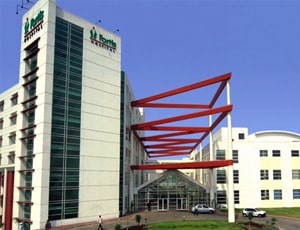
Fortis Hospital is a trusted healthcare provider for Radiation Therapy, offering specialised radiation oncology services supported by experienced radiation oncologists, medical physicists, and radiation therapists, along with modern treatment infrastructure. Established in 2004, the NABH, NABL hospital is situated in Noida, India and has 400 beds.
Radiation Therapy is an important cancer treatment that uses controlled doses of ionising radiation to damage the DNA of cancer cells and prevent them from growing or dividing. It can be delivered to many types of cancer and may be used with curative or palliative intent. Treatment planning typically involves CT or other imaging to define the tumor and surrounding organs at risk. Techniques such as IMRT, IGRT, stereotactic radiation, and brachytherapy may be selected according to the patient's condition.
Manipal Hospital, Yeshwantpur offers advanced Radiation Therapy using modern radiation oncology technology and internationally accepted treatment protocols. Established in 2022, the JCI, NABH, NABL hospital is located in Bangalore, India and has 250 beds, providing comprehensive cancer care for local and international patients.
Radiation Therapy uses high-energy radiation to damage cancer cells and control or eliminate tumors. It may be used as a primary treatment or combined with surgery, chemotherapy, immunotherapy, or targeted therapy depending on the type and stage of cancer. Treatment options may include external beam radiation therapy, image-guided radiation therapy, intensity-modulated radiation therapy, stereotactic radiation, or brachytherapy. Before treatment, radiation oncologists perform imaging and treatment planning to determine the appropriate dose and target area. Patients are monitored throughout treatment to manage side effects and assess response.
At BGS Gleneagles Global Hospitals, Radiation Therapy is delivered using advanced radiation delivery systems and personalised treatment plans tailored to the patient's cancer type, stage, location, and overall health. Established in 2007, this NABH, NABL hospital in Bangalore, India has 500 beds and provides comprehensive oncology services.
Radiation Therapy may be recommended to destroy or control cancer cells, reduce the risk of recurrence, shrink tumors before surgery, or relieve symptoms caused by advanced cancer. Depending on the clinical situation, patients may receive external beam radiation or internal radiation such as brachytherapy. Advanced planning techniques help direct radiation toward the tumor while limiting exposure to nearby healthy tissues. Regular assessments during and after treatment help monitor response and manage treatment-related effects.
Wockhardt Hospital, Umrao provides specialised Radiation Therapy with a focus on precise radiation delivery, tumor control, protection of healthy tissues, and individualised cancer care. Established in 2014, the NABH accredited hospital is located in Mumbai, India and operates 350 beds with modern radiation oncology infrastructure.
Radiation Therapy is an advanced cancer treatment that delivers carefully planned radiation to targeted areas to destroy malignant cells or prevent their growth. Depending on the diagnosis, treatment may involve conventional external-beam radiation, IMRT, image-guided radiation therapy, stereotactic techniques, proton therapy, or brachytherapy. Before treatment, patients undergo detailed imaging and simulation to establish the treatment target and minimise radiation exposure to nearby organs. The radiation oncology team monitors patients throughout the treatment course and provides supportive care when side effects occur.
At nM Virani Wockhardt, Radiation Therapy is delivered using advanced radiation delivery systems and personalised treatment plans tailored to the patient's cancer type, stage, location, and overall health. Established in 1998, this NABH hospital in Rajkot, India has 280 beds and provides comprehensive oncology services.
Radiation Therapy may be recommended to destroy or control cancer cells, reduce the risk of recurrence, shrink tumors before surgery, or relieve symptoms caused by advanced cancer. Depending on the clinical situation, patients may receive external beam radiation or internal radiation such as brachytherapy. Advanced planning techniques help direct radiation toward the tumor while limiting exposure to nearby healthy tissues. Regular assessments during and after treatment help monitor response and manage treatment-related effects.
Jimenez Diaz Foundation University Hospital is a trusted healthcare provider for Radiation Therapy, offering specialised radiation oncology services supported by experienced radiation oncologists, medical physicists, and radiation therapists, along with modern treatment infrastructure. Established in 1935, the ISO, JCI hospital is situated in Madrid, Spain and has 686 beds.
Radiation Therapy is an important cancer treatment that uses controlled doses of ionising radiation to damage the DNA of cancer cells and prevent them from growing or dividing. It can be delivered to many types of cancer and may be used with curative or palliative intent. Treatment planning typically involves CT or other imaging to define the tumor and surrounding organs at risk. Techniques such as IMRT, IGRT, stereotactic radiation, and brachytherapy may be selected according to the patient's condition.
Medical Park Gebze Hospital offers advanced Radiation Therapy using modern radiation oncology technology and internationally accepted treatment protocols. Established in 2015, the JCI hospital is located in Kocaeli, Turkey and has 120 beds, providing comprehensive cancer care for local and international patients.
Radiation Therapy uses high-energy radiation to damage cancer cells and control or eliminate tumors. It may be used as a primary treatment or combined with surgery, chemotherapy, immunotherapy, or targeted therapy depending on the type and stage of cancer. Treatment options may include external beam radiation therapy, image-guided radiation therapy, intensity-modulated radiation therapy, stereotactic radiation, or brachytherapy. Before treatment, radiation oncologists perform imaging and treatment planning to determine the appropriate dose and target area. Patients are monitored throughout treatment to manage side effects and assess response.
Choosing Parkside Private Hospital for Radiation Therapy provides patients with access to experienced radiation oncology specialists, advanced treatment-planning systems, and comprehensive cancer care. Established in 1983, the hospital in London, United Kingdom has 82 beds and provides specialized oncology services.
Radiation Therapy may be considered for patients with localised or regionally advanced cancer, depending on the tumor type and treatment goals. It may be administered before surgery to reduce tumor size, after surgery to reduce the risk of recurrence, alongside systemic treatment, or as a palliative treatment to relieve symptoms such as pain or bleeding. Radiation oncologists use imaging and computerised planning to determine the treatment field and radiation dose. Follow-up care helps evaluate tumor response and manage potential side effects.
Quironsalud Marbella Hospital offers advanced Radiation Therapy using modern radiation oncology technology and internationally accepted treatment protocols. Established in 1979, the ISO hospital is located in Marbella, Spain and has 120 beds, providing comprehensive cancer care for local and international patients.
Radiation Therapy uses high-energy radiation to damage cancer cells and control or eliminate tumors. It may be used as a primary treatment or combined with surgery, chemotherapy, immunotherapy, or targeted therapy depending on the type and stage of cancer. Treatment options may include external beam radiation therapy, image-guided radiation therapy, intensity-modulated radiation therapy, stereotactic radiation, or brachytherapy. Before treatment, radiation oncologists perform imaging and treatment planning to determine the appropriate dose and target area. Patients are monitored throughout treatment to manage side effects and assess response.
At NMC As Salama Hospital, Radiation Therapy is delivered using advanced radiation delivery systems and personalised treatment plans tailored to the patient's cancer type, stage, location, and overall health. Established in 2001, this CBAHI hospital in Al Khobar, Saudi Arabia has 120 beds and provides comprehensive oncology services.
Radiation Therapy may be recommended to destroy or control cancer cells, reduce the risk of recurrence, shrink tumors before surgery, or relieve symptoms caused by advanced cancer. Depending on the clinical situation, patients may receive external beam radiation or internal radiation such as brachytherapy. Advanced planning techniques help direct radiation toward the tumor while limiting exposure to nearby healthy tissues. Regular assessments during and after treatment help monitor response and manage treatment-related effects.
Clinique Internationale Marrakech offers advanced Radiation Therapy using modern radiation oncology technology and internationally accepted treatment protocols. Established in 2016, the hospital is located in Marrakesh, Morocco and has 160 beds, providing comprehensive cancer care for local and international patients.
Radiation Therapy uses high-energy radiation to damage cancer cells and control or eliminate tumors. It may be used as a primary treatment or combined with surgery, chemotherapy, immunotherapy, or targeted therapy depending on the type and stage of cancer. Treatment options may include external beam radiation therapy, image-guided radiation therapy, intensity-modulated radiation therapy, stereotactic radiation, or brachytherapy. Before treatment, radiation oncologists perform imaging and treatment planning to determine the appropriate dose and target area. Patients are monitored throughout treatment to manage side effects and assess response.