Browse verified doctors or let our care team help you find the doctor best suited to your condition, treatment goals, and budget.

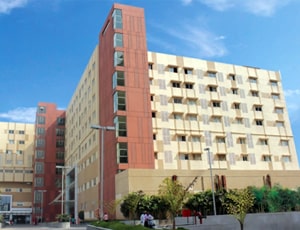
At Manipal Hospital, Hebbal, Lobectomy is performed using advanced thoracic surgical techniques and personalized treatment plans based on the patient's condition. Established in 1991, this NABL, NABH hospital in Bangalore, India has 280 beds and provides comprehensive surgical and oncology care.
Lobectomy may be considered when disease is confined primarily to one lobe of the lung and removal of the affected tissue is appropriate. It is commonly performed for cases of early-stage lung cancer and may also be used for certain non-cancerous lung conditions. Before surgery, doctors typically perform CT imaging, pulmonary function tests, and other assessments to determine surgical suitability. Recovery may include breathing exercises, pain management, and pulmonary rehabilitation.
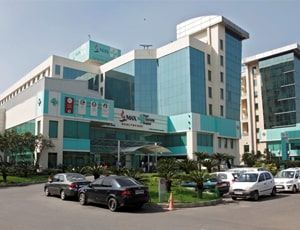
Max Super Speciality Hospital, Saket provides specialized Lobectomy with a focus on precise surgical planning, patient safety, and effective postoperative recovery. Established in 2006, the JCI, NABH hospital is located in Delhi, India and operates 539 beds with modern thoracic surgical infrastructure.
Lobectomy is a surgical treatment that removes a diseased lobe of the lung while preserving as much healthy lung tissue as possible. It may be used for patients with localised lung cancer and certain other conditions affecting a single lobe. Depending on the patient's condition, surgeons may use conventional open surgery, video-assisted thoracoscopic surgery, or robotic-assisted techniques. Preoperative imaging and lung function assessment help determine the appropriate approach, followed by monitoring and respiratory rehabilitation after surgery.
Medicana Avcilar provides specialized Lobectomy with a focus on precise surgical planning, patient safety, and effective postoperative recovery. Established in 1995, the JCI hospital is located in Istanbul, Turkey and operates 63 beds with modern thoracic surgical infrastructure.
Lobectomy is a surgical treatment that removes a diseased lobe of the lung while preserving as much healthy lung tissue as possible. It may be used for patients with localised lung cancer and certain other conditions affecting a single lobe. Depending on the patient's condition, surgeons may use conventional open surgery, video-assisted thoracoscopic surgery, or robotic-assisted techniques. Preoperative imaging and lung function assessment help determine the appropriate approach, followed by monitoring and respiratory rehabilitation after surgery.
At Medicana Sivas Hospital, Lobectomy is performed using advanced thoracic surgical techniques and personalized treatment plans based on the patient's condition. Established in 2015, this JCI hospital in Sivas, Turkey has 105 beds and provides comprehensive surgical and oncology care.
Lobectomy may be considered when disease is confined primarily to one lobe of the lung and removal of the affected tissue is appropriate. It is commonly performed for cases of early-stage lung cancer and may also be used for certain non-cancerous lung conditions. Before surgery, doctors typically perform CT imaging, pulmonary function tests, and other assessments to determine surgical suitability. Recovery may include breathing exercises, pain management, and pulmonary rehabilitation.
At Acibadem University Hospital Atakent, Lobectomy is performed using advanced thoracic surgical techniques and personalized treatment plans based on the patient's condition. Established in 2014, this JCI hospital in Istanbul, Turkey has 278 beds and provides comprehensive surgical and oncology care.
Lobectomy may be considered when disease is confined primarily to one lobe of the lung and removal of the affected tissue is appropriate. It is commonly performed for cases of early-stage lung cancer and may also be used for certain non-cancerous lung conditions. Before surgery, doctors typically perform CT imaging, pulmonary function tests, and other assessments to determine surgical suitability. Recovery may include breathing exercises, pain management, and pulmonary rehabilitation.
Choosing Iranian Hospital for Lobectomy gives patients access to experienced thoracic surgeons, advanced surgical technology, and comprehensive respiratory care. Established in 1970, the hospital in Dubai, United Arab Emirates has 220 beds and provides specialized surgical services.
Lobectomy may be recommended for patients with a localised lung tumor or other disease affecting a specific lung lobe. During the procedure, the affected lobe is surgically removed while the remaining portions of the lung are preserved. Doctors generally evaluate the tumor and overall lung function using imaging, pulmonary function tests, and other investigations before surgery. Postoperative respiratory care, early mobilisation, and rehabilitation can help support recovery and restore breathing capacity.
Istinye University Bahcesehir - LIV Hospital offers advanced Lobectomy using modern thoracic surgical techniques and internationally accepted treatment protocols. Established in 2016, the ISO, JCI hospital is located in Istanbul, Turkey and has 394 beds, providing comprehensive care for local and international patients.
Lobectomy is a surgical procedure in which one lobe of an organ, most commonly a lung, is removed to treat conditions affecting that specific area. A lung lobectomy may be recommended for patients with localized lung cancer, certain benign tumors, severe infections, or other localized lung conditions. Depending on the patient's condition, the procedure may be performed through open surgery or minimally invasive techniques such as VATS or robotic surgery. Imaging and functional assessments are generally performed before surgery, followed by postoperative monitoring and rehabilitation.
At Life Kingsbury Hospital, Lobectomy is performed using advanced thoracic surgical techniques and personalized treatment plans based on the patient's condition. Established in 1918, this hospital in Cape Town, South Africa has 212 beds and provides comprehensive surgical and oncology care.
Lobectomy may be considered when disease is confined primarily to one lobe of the lung and removal of the affected tissue is appropriate. It is commonly performed for cases of early-stage lung cancer and may also be used for certain non-cancerous lung conditions. Before surgery, doctors typically perform CT imaging, pulmonary function tests, and other assessments to determine surgical suitability. Recovery may include breathing exercises, pain management, and pulmonary rehabilitation.
Johannesburg, South Africa
Choosing Lenmed Ahmed Kathrada Private Hospital for Lobectomy gives patients access to experienced thoracic surgeons, advanced surgical technology, and comprehensive respiratory care. Established in 1984, the COHSASA, ISQua hospital in Johannesburg, South Africa has 254 beds and provides specialized surgical services.
Lobectomy may be recommended for patients with a localised lung tumor or other disease affecting a specific lung lobe. During the procedure, the affected lobe is surgically removed while the remaining portions of the lung are preserved. Doctors generally evaluate the tumor and overall lung function using imaging, pulmonary function tests, and other investigations before surgery. Postoperative respiratory care, early mobilisation, and rehabilitation can help support recovery and restore breathing capacity.
At Asian Institute of Medical Sciences, Lobectomy is performed using advanced thoracic surgical techniques and personalized treatment plans based on the patient's condition. Established in 2010, this NABL, NABH hospital in Faridabad, India has 425 beds and provides comprehensive surgical and oncology care.
Lobectomy may be considered when disease is confined primarily to one lobe of the lung and removal of the affected tissue is appropriate. It is commonly performed for cases of early-stage lung cancer and may also be used for certain non-cancerous lung conditions. Before surgery, doctors typically perform CT imaging, pulmonary function tests, and other assessments to determine surgical suitability. Recovery may include breathing exercises, pain management, and pulmonary rehabilitation.
At Apollo Hospital International Limited, Lobectomy is performed using advanced thoracic surgical techniques and personalized treatment plans based on the patient's condition. Established in 2003, this NABH, JCI hospital in Ahmedabad, India has 300 beds and provides comprehensive surgical and oncology care.
Lobectomy may be considered when disease is confined primarily to one lobe of the lung and removal of the affected tissue is appropriate. It is commonly performed for cases of early-stage lung cancer and may also be used for certain non-cancerous lung conditions. Before surgery, doctors typically perform CT imaging, pulmonary function tests, and other assessments to determine surgical suitability. Recovery may include breathing exercises, pain management, and pulmonary rehabilitation.
Manipal Hospital, Gurugram is a trusted healthcare provider for Lobectomy, offering advanced thoracic surgery supported by experienced specialists and modern medical infrastructure. Established in 2008, the NABL, NABH hospital is situated in Gurgaon, India and has 380 beds.
Lobectomy involves removing one lobe of the lung while preserving the remaining healthy lung tissue. It is most frequently performed for localized lung cancer but may also be considered for infections, congenital abnormalities, or other localized lung diseases. Depending on the patient's anatomy and surgical requirements, the procedure may be performed using minimally invasive or open techniques. Comprehensive imaging and lung function testing are generally performed before surgery to guide treatment planning.
At Manipal Hospitals Goa, Dona Paula, Lobectomy is performed using advanced thoracic surgical techniques and personalized treatment plans based on the patient's condition. Established in 1994, this NABH hospital in Panjim, India has 235 beds and provides comprehensive surgical and oncology care.
Lobectomy may be considered when disease is confined primarily to one lobe of the lung and removal of the affected tissue is appropriate. It is commonly performed for cases of early-stage lung cancer and may also be used for certain non-cancerous lung conditions. Before surgery, doctors typically perform CT imaging, pulmonary function tests, and other assessments to determine surgical suitability. Recovery may include breathing exercises, pain management, and pulmonary rehabilitation.
Metro Hospital offers advanced Lobectomy using modern thoracic surgical techniques and internationally accepted treatment protocols. Established in 1997, the NABL, NABH, ISO hospital is located in Noida, India and has 289 beds, providing comprehensive care for local and international patients.
Lobectomy is a surgical procedure in which one lobe of an organ, most commonly a lung, is removed to treat conditions affecting that specific area. A lung lobectomy may be recommended for patients with localized lung cancer, certain benign tumors, severe infections, or other localized lung conditions. Depending on the patient's condition, the procedure may be performed through open surgery or minimally invasive techniques such as VATS or robotic surgery. Imaging and functional assessments are generally performed before surgery, followed by postoperative monitoring and rehabilitation.
Sharda Hospital provides specialized Lobectomy with a focus on precise surgical planning, patient safety, and effective postoperative recovery. Established in 2005, the NABH hospital is located in Noida, India and operates 1200 beds with modern thoracic surgical infrastructure.
Lobectomy is a surgical treatment that removes a diseased lobe of the lung while preserving as much healthy lung tissue as possible. It may be used for patients with localised lung cancer and certain other conditions affecting a single lobe. Depending on the patient's condition, surgeons may use conventional open surgery, video-assisted thoracoscopic surgery, or robotic-assisted techniques. Preoperative imaging and lung function assessment help determine the appropriate approach, followed by monitoring and respiratory rehabilitation after surgery.