Explore trusted hospitals and care options, or get personalised support to find a suitable option based on your treatment needs, preferences, and budget.

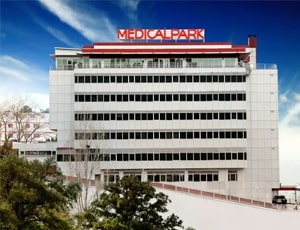
Choosing VM Medical Park Ankara for Lobectomy gives patients access to experienced thoracic surgeons, advanced surgical technology, and comprehensive respiratory care. Established in 2014, the JCI hospital in Ankara, Turkey has 327 beds and provides specialized surgical services.
Lobectomy may be recommended for patients with a localised lung tumor or other disease affecting a specific lung lobe. During the procedure, the affected lobe is surgically removed while the remaining portions of the lung are preserved. Doctors generally evaluate the tumor and overall lung function using imaging, pulmonary function tests, and other investigations before surgery. Postoperative respiratory care, early mobilisation, and rehabilitation can help support recovery and restore breathing capacity.
Trabzon, Turkey
At Medical Park Trabzon Star Hospital, Lobectomy is performed using advanced thoracic surgical techniques and personalized treatment plans based on the patient's condition. Established in 2011, this JCI hospital in Trabzon, Turkey has 120 beds and provides comprehensive surgical and oncology care.
Lobectomy may be considered when disease is confined primarily to one lobe of the lung and removal of the affected tissue is appropriate. It is commonly performed for cases of early-stage lung cancer and may also be used for certain non-cancerous lung conditions. Before surgery, doctors typically perform CT imaging, pulmonary function tests, and other assessments to determine surgical suitability. Recovery may include breathing exercises, pain management, and pulmonary rehabilitation.
Choosing VM Medical Park Samsun Hospital for Lobectomy gives patients access to experienced thoracic surgeons, advanced surgical technology, and comprehensive respiratory care. Established in 2017, the JCI hospital in Samsun, Turkey has 300 beds and provides specialized surgical services.
Lobectomy may be recommended for patients with a localised lung tumor or other disease affecting a specific lung lobe. During the procedure, the affected lobe is surgically removed while the remaining portions of the lung are preserved. Doctors generally evaluate the tumor and overall lung function using imaging, pulmonary function tests, and other investigations before surgery. Postoperative respiratory care, early mobilisation, and rehabilitation can help support recovery and restore breathing capacity.
At Medical Park Antalya Hospital, Lobectomy is performed using advanced thoracic surgical techniques and personalized treatment plans based on the patient's condition. Established in 2008, this JCI hospital in Antalya, Turkey has 228 beds and provides comprehensive surgical and oncology care.
Lobectomy may be considered when disease is confined primarily to one lobe of the lung and removal of the affected tissue is appropriate. It is commonly performed for cases of early-stage lung cancer and may also be used for certain non-cancerous lung conditions. Before surgery, doctors typically perform CT imaging, pulmonary function tests, and other assessments to determine surgical suitability. Recovery may include breathing exercises, pain management, and pulmonary rehabilitation.
Apollo Hospitals is a trusted healthcare provider for Lobectomy, offering advanced thoracic surgery supported by experienced specialists and modern medical infrastructure. Established in 1988, the JCI hospital is situated in Hyderabad, India and has 550 beds.
Lobectomy involves removing one lobe of the lung while preserving the remaining healthy lung tissue. It is most frequently performed for localized lung cancer but may also be considered for infections, congenital abnormalities, or other localized lung diseases. Depending on the patient's anatomy and surgical requirements, the procedure may be performed using minimally invasive or open techniques. Comprehensive imaging and lung function testing are generally performed before surgery to guide treatment planning.
Sterling Wockhardt Hospital offers advanced Lobectomy using modern thoracic surgical techniques and internationally accepted treatment protocols. Established in 2001, the NABL hospital is located in Mumbai, India and has 225 beds, providing comprehensive care for local and international patients.
Lobectomy is a surgical procedure in which one lobe of an organ, most commonly a lung, is removed to treat conditions affecting that specific area. A lung lobectomy may be recommended for patients with localized lung cancer, certain benign tumors, severe infections, or other localized lung conditions. Depending on the patient's condition, the procedure may be performed through open surgery or minimally invasive techniques such as VATS or robotic surgery. Imaging and functional assessments are generally performed before surgery, followed by postoperative monitoring and rehabilitation.
Star Hospitals is a trusted healthcare provider for Lobectomy, offering advanced thoracic surgery supported by experienced specialists and modern medical infrastructure. Established in 2008, the NABH, NABL hospital is situated in Hyderabad, India and has 435 beds.
Lobectomy involves removing one lobe of the lung while preserving the remaining healthy lung tissue. It is most frequently performed for localized lung cancer but may also be considered for infections, congenital abnormalities, or other localized lung diseases. Depending on the patient's anatomy and surgical requirements, the procedure may be performed using minimally invasive or open techniques. Comprehensive imaging and lung function testing are generally performed before surgery to guide treatment planning.
Global Health City provides specialized Lobectomy with a focus on precise surgical planning, patient safety, and effective postoperative recovery. Established in 1999, the NABH, NABL hospital is located in Chennai, India and operates 200 beds with modern thoracic surgical infrastructure.
Lobectomy is a surgical treatment that removes a diseased lobe of the lung while preserving as much healthy lung tissue as possible. It may be used for patients with localised lung cancer and certain other conditions affecting a single lobe. Depending on the patient's condition, surgeons may use conventional open surgery, video-assisted thoracoscopic surgery, or robotic-assisted techniques. Preoperative imaging and lung function assessment help determine the appropriate approach, followed by monitoring and respiratory rehabilitation after surgery.
Fortis Malar Hospital provides specialized Lobectomy with a focus on precise surgical planning, patient safety, and effective postoperative recovery. Established in 1989, the NABH hospital is located in Chennai, India and operates 180 beds with modern thoracic surgical infrastructure.
Lobectomy is a surgical treatment that removes a diseased lobe of the lung while preserving as much healthy lung tissue as possible. It may be used for patients with localised lung cancer and certain other conditions affecting a single lobe. Depending on the patient's condition, surgeons may use conventional open surgery, video-assisted thoracoscopic surgery, or robotic-assisted techniques. Preoperative imaging and lung function assessment help determine the appropriate approach, followed by monitoring and respiratory rehabilitation after surgery.
Mumbai, India
At nanavati Super Speciality Hospital, Lobectomy is performed using advanced thoracic surgical techniques and personalized treatment plans based on the patient's condition. Established in 1950, this NABH hospital in Mumbai, India has 350 beds and provides comprehensive surgical and oncology care.
Lobectomy may be considered when disease is confined primarily to one lobe of the lung and removal of the affected tissue is appropriate. It is commonly performed for cases of early-stage lung cancer and may also be used for certain non-cancerous lung conditions. Before surgery, doctors typically perform CT imaging, pulmonary function tests, and other assessments to determine surgical suitability. Recovery may include breathing exercises, pain management, and pulmonary rehabilitation.
Rabin Medical Center offers advanced Lobectomy using modern thoracic surgical techniques and internationally accepted treatment protocols. Established in 1996, the JCI hospital is located in Petah Tikva, Israel and has 1300 beds, providing comprehensive care for local and international patients.
Lobectomy is a surgical procedure in which one lobe of an organ, most commonly a lung, is removed to treat conditions affecting that specific area. A lung lobectomy may be recommended for patients with localized lung cancer, certain benign tumors, severe infections, or other localized lung conditions. Depending on the patient's condition, the procedure may be performed through open surgery or minimally invasive techniques such as VATS or robotic surgery. Imaging and functional assessments are generally performed before surgery, followed by postoperative monitoring and rehabilitation.
University Hospital is a trusted healthcare provider for Lobectomy, offering advanced thoracic surgery supported by experienced specialists and modern medical infrastructure. Established in 1842, the SAC hospital is situated in Basel, Switzerland and has 773 beds.
Lobectomy involves removing one lobe of the lung while preserving the remaining healthy lung tissue. It is most frequently performed for localized lung cancer but may also be considered for infections, congenital abnormalities, or other localized lung diseases. Depending on the patient's anatomy and surgical requirements, the procedure may be performed using minimally invasive or open techniques. Comprehensive imaging and lung function testing are generally performed before surgery to guide treatment planning.
Abu Dhabi, United Arab Emirates
LLH Hospital, Abu Dhabi provides specialized Lobectomy with a focus on precise surgical planning, patient safety, and effective postoperative recovery. Established in 2007, the JCI hospital is located in Abu Dhabi, United Arab Emirates and operates 750 beds with modern thoracic surgical infrastructure.
Lobectomy is a surgical treatment that removes a diseased lobe of the lung while preserving as much healthy lung tissue as possible. It may be used for patients with localised lung cancer and certain other conditions affecting a single lobe. Depending on the patient's condition, surgeons may use conventional open surgery, video-assisted thoracoscopic surgery, or robotic-assisted techniques. Preoperative imaging and lung function assessment help determine the appropriate approach, followed by monitoring and respiratory rehabilitation after surgery.
Choosing Millennium Cancer Center for Lobectomy gives patients access to experienced thoracic surgeons, advanced surgical technology, and comprehensive respiratory care. Established in 2004, the hospital in Gurgaon, India has 100 beds and provides specialized surgical services.
Lobectomy may be recommended for patients with a localised lung tumor or other disease affecting a specific lung lobe. During the procedure, the affected lobe is surgically removed while the remaining portions of the lung are preserved. Doctors generally evaluate the tumor and overall lung function using imaging, pulmonary function tests, and other investigations before surgery. Postoperative respiratory care, early mobilisation, and rehabilitation can help support recovery and restore breathing capacity.
Barcelona, Spain
Hospital Quironsalud Barcelona provides specialized Lobectomy with a focus on precise surgical planning, patient safety, and effective postoperative recovery. Established in 1944, the JCI, ISO hospital is located in Barcelona, Spain and operates 165 beds with modern thoracic surgical infrastructure.
Lobectomy is a surgical treatment that removes a diseased lobe of the lung while preserving as much healthy lung tissue as possible. It may be used for patients with localised lung cancer and certain other conditions affecting a single lobe. Depending on the patient's condition, surgeons may use conventional open surgery, video-assisted thoracoscopic surgery, or robotic-assisted techniques. Preoperative imaging and lung function assessment help determine the appropriate approach, followed by monitoring and respiratory rehabilitation after surgery.