Kidneys are vital organs in the human body that help purify the blood by removing waste from the bloodstream and excreting it as urine. Kidney cancer or renal cell cancer refers to the presence of cancerous cells in the kidney (RCC). This condition occurs when kidney cells stop replicating normally and begin to grow rapidly, resulting in the formation of a tumor that can be cancerous (malignant) or, in rare cases, benign (noncancerous). Most kidney cancers affect the tubule lining (the tiny tubes of the kidney responsible for absorption and water regulation). This is known as renal cell carcinoma. Kidney cancer is usually detected at an early stage, allowing for quick and easy treatment. If left unnoticed, it multiplies and spreads to other organs.
The Apollo Hospital’s team of oncologists, surgeons, and a nephrologist review the case information, including a history of past illnesses, any prescription medications, and comorbidities of the patient, and then develop the best treatment plan for them. The best treatment option for cancer in its later stages is surgery, but if it is discovered early, there are other treatment alternatives that may be less intrusive and easily treatable. The doctors might advise a combination of radiation therapy, chemotherapy, and surgery if the cancer is more aggressive. The oncology center at the Apollo Hospital has the primary objective to safeguard kidney function while assisting patients in returning to normal life after undergoing treatment for kidney cancer. The hospital also offers nutrition counseling to patients who are going through oncology treatment and helps them during the recovery period.

Kidneys are vital organs in the human body that aid in blood purification by removing waste from the bloodstream and excreting it as urine. Kidney cancer, also known as renal cell cancer, is the presence of cancerous cells in the kidney (RCC). This condition occurs when kidney cells cease to replicate normally and begin to grow rapidly, resulting in the formation of a tumor that can turn cancerous (malignant) or remain benign in rare cases(noncancerous). The majority of kidney cancers affect the tubule lining (the tiny tubes of the kidney responsible for absorption and water regulation). This is referred to as renal cell carcinoma. Kidney cancer is typically detected early, allowing for quick and simple treatment. It multiplies and spreads to other organs if left unnoticed.
The Apollo Gleneagles Hospital’s team of oncologists, surgeons, and a nephrologist review the case information, including the patient's history of previous illnesses, prescription medications, and comorbidities, and then develop the best treatment plan for them. Surgery is the best treatment option for cancer in its later stages, but if it is discovered early, there are other treatment options that may be less intrusive and easier to treat. If the cancer is more aggressive, the doctors may recommend a combination of radiation therapy, chemotherapy, and surgery. The Apollo Multispeciality Hospital's oncology center's primary goal is to protect kidney function while assisting patients in returning to normal life after treatment for kidney cancer. Nutrition counseling is also available to patients at the hospital.

Manipal Hospitals have a dedicated Tumour Board to ensure excellent treatment for the patients. The medical oncology department at the Manipal Hospital involves various types of treatment therapies through medication including chemotherapy, biological therapy, bone marrow aspiration, and transplant among others. Radiation therapy to treat cancer is non-invasive.
The technologies at Manipal Hospital include Two Linear accelerators – Elekta Precise and Elekta Infinity along with a Gamma med brachytherapy system, Image-Guided Radio Therapy (IGRT) with onboard Cone Beam CT (CBCT), Volumetric Modulated Arc Therapy (VMAT), Intensity Modulated Radio Therapy (IMRT), Stereotactic Body Radio Therapy (SBRT), Stereotactic Radio Surgery (SRS) - Flattening filter-free- faster SRS delivery (FFF), Electrons for superficial tumors - 3 Dimensional Conformal Radio Therapy (3DCRT), 2 Dimensional Palliative Radio Therapy, Smart arc, and dynamic treatment planning, Brachyvision planning for brachytherapy, Image-guided brachytherapy. Manipal hospital also offers palliative care, child life care, a play therapy clinic, and counseling to patients suffering from kidney cancer.

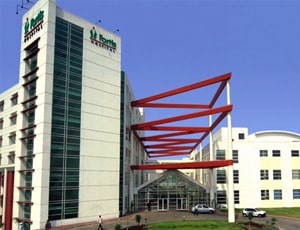
Kidney cancer treatments include surgery, chemotherapy, and radiation therapy. As with all cancers, early detection is critical for successful treatment. The Department of Oncology at Fortis Hospital Shalimar Bagh is committed to providing comprehensive care in diagnosing and treating patients with kidney cancers of all types. To identify and curate the best treatment plan, the team reviews the patient's history, details of their condition, and medical tests. Many cancers are treated at Fortis Hospital using modern and minimally invasive treatment approaches such as chemotherapy, targeted therapy, hormonal therapy, and immunotherapy. The cancer care team is multidisciplinary with many experts on board along with modern medical equipment. The kidney cancer treatment is delivered under the care of a talented team of professionals comprising physicians from other sub-specialty areas, surgeons, radiologists, behavioral scientists, nutritionists, palliative care professionals, and physiotherapists.

BGS Gleneagles Global Hospitals, Bangalore is one of the best hospitals in Bangalore for treating kidney cancer. More than 10,000 successful kidney disease surgeries have been performed at the hospital. BGS Gleneagles is home to the best doctors in Bangalore for kidney cancer treatment. Urine Analysis, Glomerular Filtration Rate (GFR), Ultrasound Scanning, MR Angiography, Imaging Studies of the Kidney such as Computed Tomography scan (CT scan) or Magnetic resonance imaging (MRI), Renal Biopsy, Intravenous Urography (IVU), Scintigraphy, Renal Arteriography, and other diagnostic techniques are available.
BGS Gleneagles Hospital has Cadaveric renal transplantation, Solitary Kidney transplant, Laparoscopic donor Nephrectomy, Combined Liver Kidney Transplant, and Combined Kidney Pancreas Transplant. In the case of advanced renal cell cancer, surgical options include partial/ radical nephrectomy, minimally invasive procedures such as radiofrequency (RF) ablation, cryoablation, microwave ablation, laser ablation, and high-intensity focused ultrasound ablation, chemotherapy, immunotherapy, or molecular therapy. Radical nephrectomy, Partial nephrectomy, and Radical nephroureterectomy are all laparoscopic and open surgery options for renal cell carcinoma (kidney cancer) at BGS Global. Dr. Anil Kumar BT, Dr. Narendra S, and Dr. Rajiv E N are some of the kidney cancer experts at the hospital.

Wockhardt hospitals have cutting-edge technologies and an innovative cancer care department. The hospital offers surgical approaches like minimal access surgery, microvascular reconstructions, and advanced immune-oncological methods in addition to chemotherapy. The common treatment modalities include radiation therapies like External-beam radiation therapy and Internal radiation therapy (brachytherapy). The diagnostic techniques include imaging tests like CT scans, X-rays, biopsy, etc.
The treatment options at Wockhardt Hospital also include standard chemotherapy, traditional chemotherapy, or cytotoxic chemotherapy. Intravenous (IV) chemotherapy or arterial, Oral chemotherapy, Injected chemotherapy, topical chemotherapy, and Surgical Oncology. Other treatment protocols available in the hospital include hormone therapy, targeted gene therapy, and immunotherapy. Dr. Tirathram Kaushik, Dr. Atul Naraynkar, Dr. ChandraVeer Singh are some of the known doctors working in the oncology department at Wockhardt Hospital.


Ask your healthcare adviser for the best multiple options and choose the one that meets your expectations

| Speciality | Oncology |
| Procedure | Kidney Cancer Treatment |
| Success Rate | Varies as per stage, grade and type of cancer |
| Recovery Time | Few weeks to several months |
| Treatment Time | 2 and 3 hours |
| Chances of Recurrence | Varies as per stage, grade, type and location of cancer |
Kidney cancer treatment involves approaches like surgery, targeted therapy, immunotherapy, or a combination of these treatments. Radiation therapy and chemotherapy are also occasionally applied. Patients suffering from metastatic kidney cancer often receive multiple lines of therapy. Surgery is the most common form of kidney cancer treatment. Various types of surgeries include radical nephrectomy, partial nephrectomy, and laparoscopic and robotic nephrectomy.
Kidney cancer treatment is primarily focused on addressing renal cell carcinoma, which is the most common type of kidney cancer. Other medical conditions that can be treated through kidney cancer treatment include Wilms' tumor (a type of kidney cancer that primarily affects children), transitional cell carcinoma, and rare types of kidney tumors.
The recovery process after kidney cancer treatment varies depending on the treatment received and the individual patient. After surgery, patients may need weeks or months to heal and recover, and they may experience temporary discomfort or pain. Follow-up appointments and monitoring are important to detect any recurrence or new developments in the kidneys. In some cases, additional treatments or medications may be required to prevent or manage any potential complications.
.png)
Kidney cancer is a multifaceted disease that requires innovative medical skills, accurate diagnostic tools, and state-of-the-art treatment modalities. International patients must consider factors such as the quality of care
Most hospitals in India have modern medical equipment for treating kidney cancer. The latest technologies, such as CT, MRI, and PET scanning, are used to diagnose and monitor kidney cancer.
The top hospitals that provide Kidney Cancer Treatment in India have the following features:
In India, kidney cancer treatment success rate varies according to the cancer stage, the type of treatment, and the patient's general health.
The success rate of early-stage kidney cancer is usually high, with localised cases often having survival rates above 80%, especially when treated with surgery or targeted therapy. To improve results, individualised care and routine follow-ups are essential.
You can explore the list of trustworthy, accredited hospitals in India that provide kidney cancer treatment on the MediGence platform. It also shows the profiles of oncologists by their experience, success rates, and reviews to help you find the best ones to connect with. This results in a seamless and informed journey to find the most personalised medical solutions for cancer treatment.
Few hospitals in India offer Kidney Cancer Treatment:
The cost of Kidney Cancer Treatment in India typically ranges from (USD 8000 - 10000), depending on the hospital, location, and the complexity of the procedure.
Many hospitals in India offering Kidney Cancer Treatment specialise in treating international patients. They arrange travel and accommodation and plan treatment. Even Top-Notch Hospitals like Apollo, Fortis, and Medanta provide excellent treatment and care for their global patients.
Depending on the therapy type, kidney cancer treatment in India poses risks that are similar to those reported worldwide. Risks of surgery include bleeding, infection, and damage to organs. Some of the side effects of radiation and chemotherapy include weakened immune function, nausea, and exhaustion.
Recovery time after Kidney Cancer Treatment depends on the type of cancer and the patient's condition. Generally, patients may suffer some side effects for a few days to weeks, but recovery can take several weeks to months. Patients need regular follow-up and monitoring with their oncologist to better manage side effects.
You can consult with an oncologist before travelling to India for Kidney Cancer Treatment through the MediGence platform. MediGence offers tele consultations with top oncologists, allowing you to discuss your medical condition, treatment options, and expert advice.
Post-operative treatment in India after Kidney Cancer Treatment generally includes monitoring for adverse effects, such as gastrointestinal problems, skin rashes, or exhaustion. Patients are given supportive care to control symptoms and regularly monitored for immune-related responses. Oncologists may suggest lifestyle changes, nutritional support, and follow-up therapy to promote recovery and enhance treatment efficacy.
India is one of the most sought-after destinations for Kidney Cancer Treatment due to advanced healthcare facilities, well-qualified doctors, and cost-effective treatment. The country has world-class medical technology and internationally accredited hospitals. MediGence ensures a hassle-free experience with personalised assistance from selecting the hospital, travel, and post-treatment care.
MediGence will contact you to arrange an appointment for Kidney Cancer Treatment in India. Our case manager will connect you with the top hospitals, schedule consultations with the specialists, and guide you throughout the process, including travel and treatment planning.
In India, the time spent on Kidney Cancer Treatment depends on the type of cancer stage and the patient's health. Generally, it may take 4- 5 weeks with follow-up visits. Your doctor may suggest personalised treatment.
Treatment can be expected in kidney cancer treatment to boost your immune system and attack cancer cells. The therapy could be administered as infusions, injections, or oral medications. Side effects like fatigue or skin reactions may appear, but these are usually well-tolerated. Monitoring is done regularly to ensure that the treatment is safe and effective.
Yes. In addition to Kidney Cancer Treatment, there are some alternative treatments, such as chemotherapy, radiation therapy, targeted therapy, and Radiofrequency Ablation (RFA) available in India.
MediGence will assist you in preparing for Kidney Cancer Treatment in India by providing end-to-end assistance for a hassle-free experience. We connect you with the best hospitals and experienced oncologists for an initial consultation, make necessary diagnostic tests, and provide a treatment plan tailored to your needs.
Our Case Manager will help you coordinate travel, visas, and accommodation and provide personalised support during your stay. MediGence offers the best and safest care in state-of-the-art medical facilities.