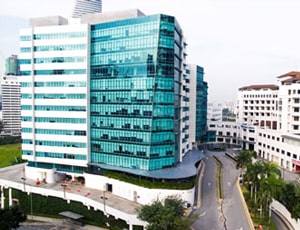
Kuala Lumpur, Malaysia
Number of Beds: 277
Year of Establishment: 2007
Medical Tourism Hospital of the Year 2024
Clinical Service Initiative of the Year 2024
Best in Community Involvement of the Year 2023
Brand of the Year in Healthcare of the Year 2023
Orthopaedic Service Provider of the Year 2023
Clinical Service Initiative of the Year 2023
Medical Tourism Hospital of the Year of the Year 2023
Top Children’s Hospital of the Year 2022
MRO Service Star of the Year 2022


Awarded by: Confederation of Indian Industry (CII)
Awarded by: Quality Council of India, in association with the Ministry of Health & Family Welfare
Awarded by: Federation of Indian Chambers of Commerce & Industry (FICCI)
Awarded by: Indian Excellence Awards
Awarded by: World Health Organization (WHO)

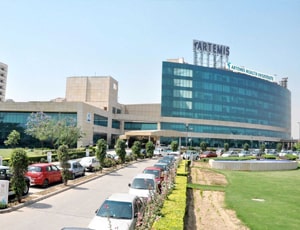
Kuala Lumpur, Malaysia
Number of Beds: 724
Year of Establishment: 1999
Frost & Sullivan: 2024 Malaysian Hospital Market Leadership Award
College of American Pathologists (CAP) Accreditation
Healthcare Asia Awards 2024: Hospital of the Year (Malaysia)
Healthcare Asia Awards 2024: Health Promotion Initiative of the Year
Reader’s Digest Trusted Brand 2024
Newsweek World’s Best Hospitals 2024
World Stroke Organisation (WSO) Angels Awards 2023 - Gold Award (Q4)
World Stroke Organisation (WSO) Angels Awards 2023 - Gold Award (Q3)


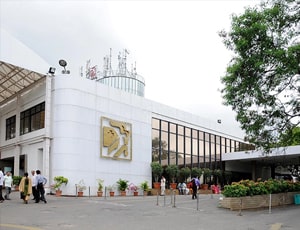
Istanbul, Turkey
Number of Beds: 441
Year of Establishment: 2022


2023, Best Specialized Hospital Asia Pacific – Endocrinology
2023, Best Specialized Hospital Asia Pacific – Cardiology
2022, GlobalHealth Asia Pacific Child Development and Paediatric Service Provider of the Year in Asia Pacific
2022, Frost & Sullivan – Malaysia Emerging Hospital Company of the year award
2022, Malaysian Healthcare Tourism Corporation (MHTC) Elite member (Jan 2022 - Dec 2022)
2022, Malaysian Society for Quality in Health (MSQH) - (2020-2024)
2019, Healthcare Infection Control Management Resources (HICMR)
2018, The Brand Laureate Best Brand – Brand leadership Award (2018-2019)


Kuala Lumpur, Malaysia
Number of Beds: 442
Year of Establishment: 1985
Healthcare Asia Awards 2024, Subang Jaya Medical Centre wins ESG Program of the Year
Frost & Sullivan, Subang Jaya Medical Centre wins Best Practices Award, Malaysian Best Hospital Company of the Year
GlobalHealth Asia-Pacific Awards, Subang Jaya Medical Centre wins Hospital of the Year in Asia-Pacific
GlobalHealth Asia-Pacific Awards, Subang Jaya Medical Centre wins Advanced Genetic Centre Provider of the Year in Asia-Pacific
GlobalHealth Asia-Pacific Awards, Subang Jaya Medical Centre wins Diabetes Service Provider of the Year in Asia-Pacific
GlobalHealth Asia-Pacific Awards, Subang Jaya Medical Centre wins Multi-Disciplinary Oncology Service Provider of the Year in Asia-Pacific
GlobalHealth Asia-Pacific Awards, Subang Jaya Medical Centre wins CSR Service of the Year in Asia-Pacific
GlobalHealth MedTech Awards, Subang Jaya Medical Centre wins the Excellence in Digital Health Innovation of the Year


Ask your healthcare adviser for the best multiple options and choose the one that meets your expectations

| Speciality | Neurology |
| Procedure | Surgery for Spina Bifida |
| Success Rate | Varies by condition |
| Recovery Time | Varies by condition |
| Treatment Time | Varies by condition |
| Chances of Recurrence | Varies by condition |
Spina Bifida is a congenital condition that can be rectified with spinal column surgery. During the procedure, the surgeons close the spinal opening, which is not fully closed during the development of the fetus. An expert neurosurgeon works on the patient to close the opening and protect the exposed tissues and nerves.
Surgery for Spina Bifida can be suggested to rectify the following spinal conditions:
After undergoing Spina Bifida surgery, a hospital stay of a few days is a must to observe the healing and check for sensory functions. After a few days, the patient is discharged from the hospital and recommended to resume only light activities and avoid putting any pressure on the surgical site. Physical therapy is an important part of the recovery process for Spina Bifida patients, as it improves mobility and strengthens muscles. Regular follow-up appointments with the surgical team are a must to check on the healing progress. The long-term management of Spina Bifida may involve ongoing medical care, rehabilitation, and support to optimize the individual's quality of life.