Explore trusted hospitals and care options, or get personalised support to find a suitable option based on your treatment needs, preferences, and budget.

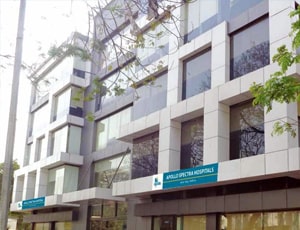
At Apollo Spectra Hospital, Lumbar Discectomy is performed using advanced lumbar spine techniques and individualized surgical planning. Established in 2012, the NABH, NABL accredited hospital in Pune, India has 30 beds and provides comprehensive spine surgery and rehabilitation services.
Lumbar Discectomy may be considered when a herniated lumbar disc compresses a nerve root and causes radiating leg pain, tingling, numbness, or weakness. The surgeon removes the displaced disc fragment responsible for the compression, creating additional space around the affected nerve. The procedure can be performed through conventional or minimally invasive techniques, depending on the patient's condition and surgeon's assessment. MRI is commonly used before surgery to confirm the disc herniation and affected spinal level.
Tel Aviv, Israel
Tel Aviv Sourasky Medical Center -Ichilov Hospital offers dedicated Lumbar Discectomy supported by experienced spine surgeons, advanced imaging, and modern minimally invasive surgical facilities. Established in 1963, the JCI accredited hospital is situated in Tel Aviv, Israel and has 1500 beds supporting specialized lumbar spine care.
Lumbar Discectomy is designed to relieve pressure on a spinal nerve caused by a herniated disc in the lower back. Through a carefully planned surgical approach, the surgeon reaches the affected disc and removes the portion that has moved out of its normal position and is compressing the nerve. Only the problematic disc material is generally removed when possible. Postoperative care may include early mobilization, activity modification, and physiotherapy to support recovery.
Delhi, India
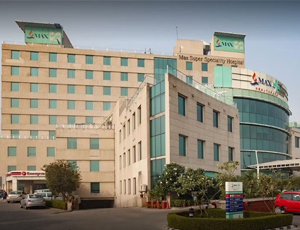
Max Smart Super Speciality Hospital provides specialized Lumbar Discectomy with a focus on relieving nerve compression, removing problematic disc material, and supporting recovery of lower-back and leg function. Established in 2012, the JCI, NABH accredited hospital is located in Delhi, India and operates 250 beds with modern neurosurgical and orthopedic spine facilities.
Lumbar Discectomy is a surgical procedure used to remove the portion of a herniated or damaged disc that is pressing on a spinal nerve in the lower back. It may be recommended for patients with persistent sciatica, leg pain, numbness, or weakness when symptoms do not improve adequately with conservative treatment. During surgery, the surgeon accesses the affected disc and removes the compressive fragment while preserving as much of the healthy disc as possible.
Abu Dhabi, United Arab Emirates
Lifecare Hospital, Musaffah offers dedicated Lumbar Discectomy supported by experienced spine surgeons, advanced imaging, and modern minimally invasive surgical facilities. Established in 2007, the JCI accredited hospital is situated in Abu Dhabi, United Arab Emirates and has 200 beds supporting specialized lumbar spine care.
Lumbar Discectomy is designed to relieve pressure on a spinal nerve caused by a herniated disc in the lower back. Through a carefully planned surgical approach, the surgeon reaches the affected disc and removes the portion that has moved out of its normal position and is compressing the nerve. Only the problematic disc material is generally removed when possible. Postoperative care may include early mobilization, activity modification, and physiotherapy to support recovery.
Acibadem Kadikoy Hospital provides specialized Lumbar Discectomy with an emphasis on precise disc fragment removal, effective nerve decompression, and personalized rehabilitation. Established in 1991, the JCI accredited hospital is based in Istanbul, Turkey and has 138 beds supported by modern neurosurgical and orthopedic facilities.
Lumbar Discectomy involves removing herniated disc material that is irritating or compressing a nerve root in the lower spine. It is primarily used when symptoms such as sciatica, leg pain, numbness, or weakness are severe or persistent and do not respond sufficiently to conservative care. Before surgery, neurological examination and imaging help identify the affected disc and nerve. During the procedure, the surgeon removes the compressive fragment while limiting disruption to surrounding spinal structures.
Ajman, United Arab Emirates
Thumbay University Hospital, Ajman offers dedicated Lumbar Discectomy supported by experienced spine surgeons, advanced imaging, and modern minimally invasive surgical facilities. Established in 2002, the JCI accredited hospital is situated in Ajman, United Arab Emirates and has 350 beds supporting specialized lumbar spine care.
Lumbar Discectomy is designed to relieve pressure on a spinal nerve caused by a herniated disc in the lower back. Through a carefully planned surgical approach, the surgeon reaches the affected disc and removes the portion that has moved out of its normal position and is compressing the nerve. Only the problematic disc material is generally removed when possible. Postoperative care may include early mobilization, activity modification, and physiotherapy to support recovery.
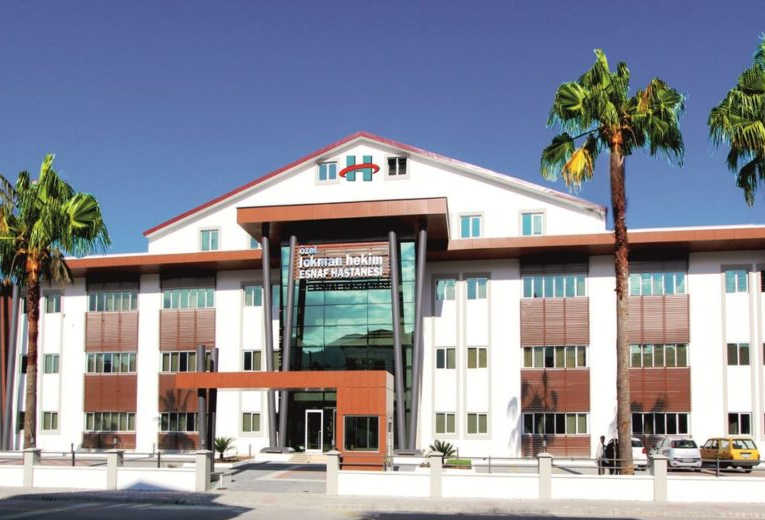
At Lokman Hekim Esnaf Hospital, Lumbar Discectomy is performed using advanced lumbar spine techniques and individualized surgical planning. Established in 1997, the JCI accredited hospital in Fethiye, Turkey has 75 beds and provides comprehensive spine surgery and rehabilitation services.
Lumbar Discectomy may be considered when a herniated lumbar disc compresses a nerve root and causes radiating leg pain, tingling, numbness, or weakness. The surgeon removes the displaced disc fragment responsible for the compression, creating additional space around the affected nerve. The procedure can be performed through conventional or minimally invasive techniques, depending on the patient's condition and surgeon's assessment. MRI is commonly used before surgery to confirm the disc herniation and affected spinal level.
Trabzon, Turkey
Medical Park Karadeniz Hospital provides specialized Lumbar Discectomy with an emphasis on precise disc fragment removal, effective nerve decompression, and personalized rehabilitation. Established in 2007, the JCI accredited hospital is based in Trabzon, Turkey and has 112 beds supported by modern neurosurgical and orthopedic facilities.
Lumbar Discectomy involves removing herniated disc material that is irritating or compressing a nerve root in the lower spine. It is primarily used when symptoms such as sciatica, leg pain, numbness, or weakness are severe or persistent and do not respond sufficiently to conservative care. Before surgery, neurological examination and imaging help identify the affected disc and nerve. During the procedure, the surgeon removes the compressive fragment while limiting disruption to surrounding spinal structures.
Kaunas, Lithuania
At Meliva Kardiolita Hospital, Kaunas, Lumbar Discectomy is performed using advanced lumbar spine techniques and individualized surgical planning. Established in 1998, the JCI accredited hospital in Kaunas, Lithuania has 8 beds and provides comprehensive spine surgery and rehabilitation services.
Lumbar Discectomy may be considered when a herniated lumbar disc compresses a nerve root and causes radiating leg pain, tingling, numbness, or weakness. The surgeon removes the displaced disc fragment responsible for the compression, creating additional space around the affected nerve. The procedure can be performed through conventional or minimally invasive techniques, depending on the patient's condition and surgeon's assessment. MRI is commonly used before surgery to confirm the disc herniation and affected spinal level.
Sagrat Cor University Hospital provides specialized Lumbar Discectomy with a focus on relieving nerve compression, removing problematic disc material, and supporting recovery of lower-back and leg function. Established in 1970, the accredited hospital is located in Barcelona, Spain and operates 323 beds with modern neurosurgical and orthopedic spine facilities.
Lumbar Discectomy is a surgical procedure used to remove the portion of a herniated or damaged disc that is pressing on a spinal nerve in the lower back. It may be recommended for patients with persistent sciatica, leg pain, numbness, or weakness when symptoms do not improve adequately with conservative treatment. During surgery, the surgeon accesses the affected disc and removes the compressive fragment while preserving as much of the healthy disc as possible.
Bishops Wood Hospital provides specialized Lumbar Discectomy with an emphasis on precise disc fragment removal, effective nerve decompression, and personalized rehabilitation. Established in 1979, the accredited hospital is based in Northwood, United Kingdom and has 42 beds supported by modern neurosurgical and orthopedic facilities.
Lumbar Discectomy involves removing herniated disc material that is irritating or compressing a nerve root in the lower spine. It is primarily used when symptoms such as sciatica, leg pain, numbness, or weakness are severe or persistent and do not respond sufficiently to conservative care. Before surgery, neurological examination and imaging help identify the affected disc and nerve. During the procedure, the surgeon removes the compressive fragment while limiting disruption to surrounding spinal structures.
The Alexandra Hospital provides specialized Lumbar Discectomy with an emphasis on precise disc fragment removal, effective nerve decompression, and personalized rehabilitation. Established in 1981, the NABH accredited hospital is based in Cheadle, United Kingdom and it has adequate bed capacity supported by modern neurosurgical and orthopedic facilities.
Lumbar Discectomy involves removing herniated disc material that is irritating or compressing a nerve root in the lower spine. It is primarily used when symptoms such as sciatica, leg pain, numbness, or weakness are severe or persistent and do not respond sufficiently to conservative care. Before surgery, neurological examination and imaging help identify the affected disc and nerve. During the procedure, the surgeon removes the compressive fragment while limiting disruption to surrounding spinal structures.
Delhi, India
At Max Super Specialty Hospital, Shalimar Bagh, Lumbar Discectomy is performed using advanced lumbar spine techniques and individualized surgical planning. Established in 2011, the NABH, NABL accredited hospital in Delhi, India has 402 beds and provides comprehensive spine surgery and rehabilitation services.
Lumbar Discectomy may be considered when a herniated lumbar disc compresses a nerve root and causes radiating leg pain, tingling, numbness, or weakness. The surgeon removes the displaced disc fragment responsible for the compression, creating additional space around the affected nerve. The procedure can be performed through conventional or minimally invasive techniques, depending on the patient's condition and surgeon's assessment. MRI is commonly used before surgery to confirm the disc herniation and affected spinal level.
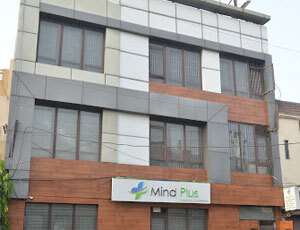
MindPlus Hospital Ludhiana offers dedicated Lumbar Discectomy supported by experienced spine surgeons, advanced imaging, and modern minimally invasive surgical facilities. Established in 1986, the NABH accredited hospital is situated in Ludhiana, India and it has adequate bed capacity supporting specialized lumbar spine care.
Lumbar Discectomy is designed to relieve pressure on a spinal nerve caused by a herniated disc in the lower back. Through a carefully planned surgical approach, the surgeon reaches the affected disc and removes the portion that has moved out of its normal position and is compressing the nerve. Only the problematic disc material is generally removed when possible. Postoperative care may include early mobilization, activity modification, and physiotherapy to support recovery.
Amrita Hospital offers dedicated Lumbar Discectomy supported by experienced spine surgeons, advanced imaging, and modern minimally invasive surgical facilities. Established in 2022, the NABH accredited hospital is situated in Faridabad, India and has 2600 beds supporting specialized lumbar spine care.
Lumbar Discectomy is designed to relieve pressure on a spinal nerve caused by a herniated disc in the lower back. Through a carefully planned surgical approach, the surgeon reaches the affected disc and removes the portion that has moved out of its normal position and is compressing the nerve. Only the problematic disc material is generally removed when possible. Postoperative care may include early mobilization, activity modification, and physiotherapy to support recovery.