Browse verified doctors or let our care team help you find the doctor best suited to your condition, treatment goals, and budget.

Delhi, India
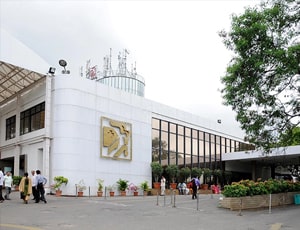
BLK-Max Super Speciality Hospital is a trusted healthcare provider for External Ventricular Drainage, offering advanced cerebrospinal fluid drainage and intracranial pressure management supported by experienced neurosurgeons, neurointensivists, neurologists, and specialized critical-care teams. Established in 1959, the JCI, NABH- accredited hospital is situated in Delhi, India and has 650 beds.
External Ventricular Drainage helps temporarily divert cerebrospinal fluid from the ventricles when normal CSF circulation or absorption is impaired. The catheter can also provide a means of monitoring intracranial pressure in selected patients. The drainage system is carefully adjusted according to the patient's neurological condition and prescribed pressure settings, while imaging and clinical monitoring help assess ventricular size and overall response to treatment.
At Artemis Health Institute, External Ventricular Drainage is performed using specialised neurosurgical techniques and comprehensive neurological and imaging assessment. Established in 2007, this JCI, NABH accredited hospital in Gurgaon, India has 750 beds and offers advanced neurocritical care and neurosurgical services.
External Ventricular Drainage may be considered when excess cerebrospinal fluid needs to be temporarily diverted or intracranial pressure requires close monitoring. During the procedure, a catheter is carefully placed into one of the brain's ventricles through a small opening in the skull and connected to a sterile external drainage system. Brain imaging, neurological assessment, and intracranial pressure monitoring may be used to guide treatment and evaluate the patient's response.
Medanta - The Medicity is a trusted healthcare provider for External Ventricular Drainage, offering advanced cerebrospinal fluid drainage and intracranial pressure management supported by experienced neurosurgeons, neurointensivists, neurologists, and specialized critical-care teams. Established in 2009, the JCI, NABH- accredited hospital is situated in Gurgaon, India and has 1250 beds.
External Ventricular Drainage helps temporarily divert cerebrospinal fluid from the ventricles when normal CSF circulation or absorption is impaired. The catheter can also provide a means of monitoring intracranial pressure in selected patients. The drainage system is carefully adjusted according to the patient's neurological condition and prescribed pressure settings, while imaging and clinical monitoring help assess ventricular size and overall response to treatment.
At Gleneagles Hospital Mumbai, External Ventricular Drainage is performed using specialised neurosurgical techniques and comprehensive neurological and imaging assessment. Established in 1996, this JCI accredited hospital in Mumbai, India has 450 beds and offers advanced neurocritical care and neurosurgical services.
External Ventricular Drainage may be considered when excess cerebrospinal fluid needs to be temporarily diverted or intracranial pressure requires close monitoring. During the procedure, a catheter is carefully placed into one of the brain's ventricles through a small opening in the skull and connected to a sterile external drainage system. Brain imaging, neurological assessment, and intracranial pressure monitoring may be used to guide treatment and evaluate the patient's response.
Ghaziabad, India
Max Super Specialty Hospital, Vaishali provides specialised External Ventricular Drainage with a focus on controlled cerebrospinal fluid drainage, accurate intracranial pressure management, advanced neurosurgical technology, and individualized critical care. Established in 2008, the NABL, NABH accredited hospital is located in Ghaziabad, India and operates 370 beds, with modern neurosurgical, neuroimaging, intensive-care, and monitoring infrastructure.
External Ventricular Drainage can provide temporary relief from elevated intracranial pressure and facilitate CSF diversion in patients with acute hydrocephalus or other neurological conditions affecting cerebrospinal fluid circulation. Treatment planning considers the underlying cause, ventricular anatomy, intracranial pressure, neurological status, imaging findings, and overall clinical condition. A detailed assessment helps the neurosurgical team determine the appropriate catheter placement, drainage strategy, monitoring requirements, and timing for weaning or removal of the ventricular drain.
Max Hospital, Gurgaon is a trusted healthcare provider for External Ventricular Drainage, offering advanced cerebrospinal fluid drainage and intracranial pressure management supported by experienced neurosurgeons, neurointensivists, neurologists, and specialized critical-care teams. Established in 2007, the ISO, NABH, NABL- accredited hospital is situated in Gurgaon, India and has 104 beds.
External Ventricular Drainage helps temporarily divert cerebrospinal fluid from the ventricles when normal CSF circulation or absorption is impaired. The catheter can also provide a means of monitoring intracranial pressure in selected patients. The drainage system is carefully adjusted according to the patient's neurological condition and prescribed pressure settings, while imaging and clinical monitoring help assess ventricular size and overall response to treatment.
Indraprastha Apollo Hospital offers advanced External Ventricular Drainage using modern neurosurgical techniques and individualized neurocritical care plans. Established in 1996, the JCI accredited hospital is located in Delhi, India and has 710 beds, providing comprehensive neurological and neurosurgical care for local and international patients.
External Ventricular Drainage is a temporary neurosurgical procedure used to drain cerebrospinal fluid (CSF) from the brain's ventricles when fluid accumulation or increased intracranial pressure requires urgent management. A small catheter is inserted into a cerebral ventricle and connected to an external drainage and monitoring system. The procedure may be used in conditions such as hydrocephalus, intracranial hemorrhage, traumatic brain injury, or other situations involving elevated intracranial pressure.
Choosing Apollo Hospitals for External Ventricular Drainage gives patients access to experienced neurosurgeons, advanced neuroimaging, specialized intensive-care facilities, intracranial pressure monitoring, and structured postoperative management. Established in 1988, the JCI accredited hospital in Hyderabad, India has 550 beds and provides specialised neurosurgical and neurocritical care services.
External Ventricular Drainage is typically performed under sterile conditions with appropriate anaesthesia or sedation depending on the patient's clinical status. A catheter is inserted into a selected cerebral ventricle and connected to an external collection system that allows controlled CSF drainage. Patients require close monitoring because complications may include infection, bleeding, catheter blockage, excessive drainage, or changes in intracranial pressure. The drain is generally removed once it is no longer clinically required and adequate CSF circulation has been established.
Star Hospitals offers advanced External Ventricular Drainage using modern neurosurgical techniques and individualized neurocritical care plans. Established in 2008, the NABH, NABL accredited hospital is located in Hyderabad, India and has 435 beds, providing comprehensive neurological and neurosurgical care for local and international patients.
External Ventricular Drainage is a temporary neurosurgical procedure used to drain cerebrospinal fluid (CSF) from the brain's ventricles when fluid accumulation or increased intracranial pressure requires urgent management. A small catheter is inserted into a cerebral ventricle and connected to an external drainage and monitoring system. The procedure may be used in conditions such as hydrocephalus, intracranial hemorrhage, traumatic brain injury, or other situations involving elevated intracranial pressure.
Sterling Wockhardt Hospital is a trusted healthcare provider for External Ventricular Drainage, offering advanced cerebrospinal fluid drainage and intracranial pressure management supported by experienced neurosurgeons, neurointensivists, neurologists, and specialized critical-care teams. Established in 2001, the NABL- accredited hospital is situated in Mumbai, India and has 225 beds.
External Ventricular Drainage helps temporarily divert cerebrospinal fluid from the ventricles when normal CSF circulation or absorption is impaired. The catheter can also provide a means of monitoring intracranial pressure in selected patients. The drainage system is carefully adjusted according to the patient's neurological condition and prescribed pressure settings, while imaging and clinical monitoring help assess ventricular size and overall response to treatment.
nanavati Super Speciality Hospital provides specialised External Ventricular Drainage with a focus on controlled cerebrospinal fluid drainage, accurate intracranial pressure management, advanced neurosurgical technology, and individualized critical care. Established in 1950, the NABH accredited hospital is located in Mumbai, India and operates 350 beds, with modern neurosurgical, neuroimaging, intensive-care, and monitoring infrastructure.
External Ventricular Drainage can provide temporary relief from elevated intracranial pressure and facilitate CSF diversion in patients with acute hydrocephalus or other neurological conditions affecting cerebrospinal fluid circulation. Treatment planning considers the underlying cause, ventricular anatomy, intracranial pressure, neurological status, imaging findings, and overall clinical condition. A detailed assessment helps the neurosurgical team determine the appropriate catheter placement, drainage strategy, monitoring requirements, and timing for weaning or removal of the ventricular drain.
Venkateshwar Hospital offers advanced External Ventricular Drainage using modern neurosurgical techniques and individualized neurocritical care plans. Established in 2016, the NABL, NABH accredited hospital is located in Delhi, India and has 325 beds, providing comprehensive neurological and neurosurgical care for local and international patients.
External Ventricular Drainage is a temporary neurosurgical procedure used to drain cerebrospinal fluid (CSF) from the brain's ventricles when fluid accumulation or increased intracranial pressure requires urgent management. A small catheter is inserted into a cerebral ventricle and connected to an external drainage and monitoring system. The procedure may be used in conditions such as hydrocephalus, intracranial hemorrhage, traumatic brain injury, or other situations involving elevated intracranial pressure.
Primus Super Speciality Hospital is a trusted healthcare provider for External Ventricular Drainage, offering advanced cerebrospinal fluid drainage and intracranial pressure management supported by experienced neurosurgeons, neurointensivists, neurologists, and specialized critical-care teams. Established in 2001, the NABH- accredited hospital is situated in Delhi, India and has 250 beds.
External Ventricular Drainage helps temporarily divert cerebrospinal fluid from the ventricles when normal CSF circulation or absorption is impaired. The catheter can also provide a means of monitoring intracranial pressure in selected patients. The drainage system is carefully adjusted according to the patient's neurological condition and prescribed pressure settings, while imaging and clinical monitoring help assess ventricular size and overall response to treatment.
Choosing Fortis Hospital for External Ventricular Drainage gives patients access to experienced neurosurgeons, advanced neuroimaging, specialized intensive-care facilities, intracranial pressure monitoring, and structured postoperative management. Established in 2006, the JCI, NABH accredited hospital in Mohali, India has 276 beds and provides specialised neurosurgical and neurocritical care services.
External Ventricular Drainage is typically performed under sterile conditions with appropriate anaesthesia or sedation depending on the patient's clinical status. A catheter is inserted into a selected cerebral ventricle and connected to an external collection system that allows controlled CSF drainage. Patients require close monitoring because complications may include infection, bleeding, catheter blockage, excessive drainage, or changes in intracranial pressure. The drain is generally removed once it is no longer clinically required and adequate CSF circulation has been established.
Fortis Hospital, Mulund offers advanced External Ventricular Drainage using modern neurosurgical techniques and individualized neurocritical care plans. Established in 2002, the JCI, NABH accredited hospital is located in Mumbai, India and has 315 beds, providing comprehensive neurological and neurosurgical care for local and international patients.
External Ventricular Drainage is a temporary neurosurgical procedure used to drain cerebrospinal fluid (CSF) from the brain's ventricles when fluid accumulation or increased intracranial pressure requires urgent management. A small catheter is inserted into a cerebral ventricle and connected to an external drainage and monitoring system. The procedure may be used in conditions such as hydrocephalus, intracranial hemorrhage, traumatic brain injury, or other situations involving elevated intracranial pressure.

Ms Patience from Uganda travelled to India for cosmetic surgery in May 2017. She got her treatment done in Asian Institute of Medical Sciences in…

Lobna (from Sudan) was diagnosed with meningioma, a form of non-cancerous brain tumor. Her family members decided to take her to one of the most…
| Speciality | Neurology |
| Procedure | External Ventricular Drainage |
| Success Rate | Varies by condition |
| Recovery Time | Varies by condition |
| Treatment Time | Varies by condition |
| Chances of Recurrence | Varies by condition |
External Ventricular Drainage (EVD) is a medical procedure used to relieve intracranial pressure and drain excess cerebrospinal fluid from the brain's ventricles. During the procedure, a catheter is inserted into the ventricles through a small hole in the skull. The excess fluid is drained into a collection bag, helping to reduce pressure and prevent further complications.
EVD is commonly used to treat conditions such as hydrocephalus, traumatic brain injury, and intracranial hemorrhage.
The recovery process after EVD involves close monitoring of intracranial pressure and neurological status. The drainage may continue until the pressure stabilizes, and the catheter is removed once the underlying condition is treated. Patients are observed for potential complications and may require physical therapy or rehabilitation, depending on their specific medical condition. Overall the recovery may take 3-4 weeks.
Yes, hospitals in India renowned for performing External Ventricular Drainage (EVD) are equipped with the latest medical technology.
These hospitals use advanced diagnostic technologies like CT, MRI, and PET scans for accurate diagnosis and treatment planning.
Modern monitoring systems are in place in hospitals to handle any possible adverse effects during treatment.
You can easily access these top hospitals with the latest technology through MediGence, which helps you connect with the best healthcare providers for your treatment in India.
The best hospitals for External Ventricular Drainage in India are characterised by:
In India, external venous drainage (EVD) usually has a success rate of 85% to 95%, depending on the patient's health and the team's experience level.
You can consult with leading hospitals and neurologists for the best outcomes through MediGence, which offers personalised guidance and support throughout your treatment path.
To find a hospital with the best neurologists for External Ventricular Drainage (EVD) in India, you can use the MediGence platform.
Through MediGence, users can connect with leading medical establishments that host seasoned neurologists who perform external ventricular drainage (EVD) procedures.
Through the platform, users can view complete doctor profiles, including patient reviews, to receive care recommendations that match their distinct requirements.
The MediGence platform facilitates hospital visit appointments and accommodation arrangements while offering complete assistance, ensuring a smooth medical experience.
Some of the best hospitals listed for External Ventricular Drainagein India are:
The cost of External Ventricular Drainage in India typically ranges from (USD 3000 - 4200), depending on the hospital, location, and the complexity of the procedure.
Yes, External Ventricular Drainage in India is available for international patients. With modern medical technology, skilled neurologists, and a wide range of treatment options, top hospitals in India offer specialised care to patients from overseas.
For patients seeking treatment in India, MediGence provides comprehensive support with travel planning, visa assistance, accommodations, and seamless medical coordination, guaranteeing a stress-free and easy experience.
The risks associated with External Ventricular Drainage (EVD) in India are similar to those in other countries and may include:
Yes, you can speak with a neurologist before going to India to receive treatment for External Ventricular Drainage.
You can have virtual consultations with a skilled doctor via the MediGence platform, who can evaluate your condition, review treatment choices, and assist you in getting ready for your journey.
This guarantees you are informed and prepared for treatment before arriving in India.
Post-operative care after External Ventricular Drainage (EVD) in India focuses on monitoring and ensuring proper healing. Here's what you can expect:
MediGence ensures seamless coordination for follow-up visits and post-operative care during your recovery in India.
India is a popular destination for External Ventricular Drainage due to several key factors:
These factors make India attractive for those seeking high-quality, cost-effective treatment options.
The MediGence website makes scheduling an appointment to treat External Ventricular Drainage in India simple.
From your initial consultation to post-treatment care, we will help you make appointments at top hospitals, contact skilled neurosurgeons, and offer comprehensive support.
MediGence also ensures that your medical needs, travel plans, and treatment are smoothly organised.
The length of stay in India for External Ventricular Drainage (EVD) is based on the procedure and the recovery process:
Yes, there are alternative treatments to External Ventricular Drainage (EVD) in India, depending on the underlying condition and severity:
To investigate all of your treatment options depending on your illness, MediGence assists you in connecting with leading hospitals in India.
To prepare for External Ventricular Drainage in India, it's essential to follow a few key steps for a smooth process:
MediGence ensures smooth coordination of your treatment and travel plans in India.