Browse verified doctors or let our care team help you find the doctor best suited to your condition, treatment goals, and budget.
Apollo Hospital provides specialized Cervical Decompression with a focus on relieving spinal cord or nerve compression, restoring neurological function, and improving patient mobility. Established in 1983, the JCI accredited hospital is located in Chennai, India and operates 550 beds with advanced neurosurgical and orthopedic spine facilities.
Cervical Decompression is performed to relieve pressure on the spinal cord or nerve roots in the neck. Compression may result from conditions such as cervical disc herniation, spinal stenosis, bone spurs, or degenerative changes. Depending on the cause and location of compression, surgery may involve removing a portion of a disc, bone, or other tissue that is pressing on the nerves or spinal cord. The specific technique is selected after neurological assessment and spinal imaging.
Manipal Hospital, Yeshwantpur provides specialized Cervical Decompression with a focus on relieving spinal cord or nerve compression, restoring neurological function, and improving patient mobility. Established in 2022, the JCI, NABH, NABL accredited hospital is located in Bangalore, India and operates 250 beds with advanced neurosurgical and orthopedic spine facilities.
Cervical Decompression is performed to relieve pressure on the spinal cord or nerve roots in the neck. Compression may result from conditions such as cervical disc herniation, spinal stenosis, bone spurs, or degenerative changes. Depending on the cause and location of compression, surgery may involve removing a portion of a disc, bone, or other tissue that is pressing on the nerves or spinal cord. The specific technique is selected after neurological assessment and spinal imaging.
Wockhardt Hospital, Umrao provides specialized Cervical Decompression with an emphasis on accurate spinal assessment, careful neural decompression, and comprehensive rehabilitation. Established in 2014, the NABH accredited hospital is based in Mumbai, India and has 350 beds supported by advanced neurosurgical and orthopedic facilities.
Cervical Decompression can help relieve symptoms caused by compression of the spinal cord or cervical nerve roots. Conditions such as degenerative disc disease, cervical spinal stenosis, herniated discs, and osteophytes may contribute to this pressure. Before surgery, specialists assess neurological symptoms and review imaging to identify the precise source of compression. Following treatment, patients are monitored for neurological recovery, wound healing, neck discomfort, and mobility, with rehabilitation provided when appropriate.
nM Virani Wockhardt offers dedicated Cervical Decompression with experienced spine specialists, advanced imaging support, and modern operating facilities. Established in 1998, the NABH accredited hospital is situated in Rajkot, India and has 280 beds supporting comprehensive spinal care.
Cervical Decompression aims to reduce pressure on nerves or the spinal cord caused by narrowing or structural abnormalities in the cervical spine. Surgical approaches may include procedures such as cervical discectomy, laminectomy, or other decompressive techniques depending on the source of compression. In some cases, decompression may be combined with spinal fusion to provide stability. Postoperative physiotherapy and gradual activity progression can support recovery and functional improvement.
Jimenez Diaz Foundation University Hospital offers dedicated Cervical Decompression with experienced spine specialists, advanced imaging support, and modern operating facilities. Established in 1935, the ISO, JCI accredited hospital is situated in Madrid, Spain and has 686 beds supporting comprehensive spinal care.
Cervical Decompression aims to reduce pressure on nerves or the spinal cord caused by narrowing or structural abnormalities in the cervical spine. Surgical approaches may include procedures such as cervical discectomy, laminectomy, or other decompressive techniques depending on the source of compression. In some cases, decompression may be combined with spinal fusion to provide stability. Postoperative physiotherapy and gradual activity progression can support recovery and functional improvement.
At Medical Park Gebze Hospital, Cervical Decompression is performed using modern spinal surgical techniques and individualized treatment planning. Established in 2015, the JCI accredited hospital in Kocaeli, Turkey has 120 beds and provides comprehensive neurosurgical and spine care.
Cervical Decompression may be recommended when pressure within the cervical spine causes persistent neck pain, arm symptoms, numbness, weakness, or signs of spinal cord dysfunction. The procedure aims to create additional space around compressed neural structures. Depending on the patient's condition, the surgeon may remove a damaged disc, part of a vertebra, or thickened tissue contributing to the compression. Imaging studies such as MRI or CT help determine the affected spinal levels and guide surgical planning.
Parkside Private Hospital provides specialized Cervical Decompression with an emphasis on accurate spinal assessment, careful neural decompression, and comprehensive rehabilitation. Established in 1983, the accredited hospital is based in London, United Kingdom and has 82 beds supported by advanced neurosurgical and orthopedic facilities.
Cervical Decompression can help relieve symptoms caused by compression of the spinal cord or cervical nerve roots. Conditions such as degenerative disc disease, cervical spinal stenosis, herniated discs, and osteophytes may contribute to this pressure. Before surgery, specialists assess neurological symptoms and review imaging to identify the precise source of compression. Following treatment, patients are monitored for neurological recovery, wound healing, neck discomfort, and mobility, with rehabilitation provided when appropriate.
At Quironsalud Marbella Hospital, Cervical Decompression is performed using modern spinal surgical techniques and individualized treatment planning. Established in 1979, the ISO accredited hospital in Marbella, Spain has 120 beds and provides comprehensive neurosurgical and spine care.
Cervical Decompression may be recommended when pressure within the cervical spine causes persistent neck pain, arm symptoms, numbness, weakness, or signs of spinal cord dysfunction. The procedure aims to create additional space around compressed neural structures. Depending on the patient's condition, the surgeon may remove a damaged disc, part of a vertebra, or thickened tissue contributing to the compression. Imaging studies such as MRI or CT help determine the affected spinal levels and guide surgical planning.
At Manipal Hospital, Dwarka, Cervical Decompression is performed using modern spinal surgical techniques and individualized treatment planning. Established in 2018, the NABH accredited hospital in Delhi, India has 380 beds and provides comprehensive neurosurgical and spine care.
Cervical Decompression may be recommended when pressure within the cervical spine causes persistent neck pain, arm symptoms, numbness, weakness, or signs of spinal cord dysfunction. The procedure aims to create additional space around compressed neural structures. Depending on the patient's condition, the surgeon may remove a damaged disc, part of a vertebra, or thickened tissue contributing to the compression. Imaging studies such as MRI or CT help determine the affected spinal levels and guide surgical planning.
At Guven Hospital, Cervical Decompression is performed using modern spinal surgical techniques and individualized treatment planning. Established in 1975, the GHA accredited hospital in Ankara, Turkey has 254 beds and provides comprehensive neurosurgical and spine care.
Cervical Decompression may be recommended when pressure within the cervical spine causes persistent neck pain, arm symptoms, numbness, weakness, or signs of spinal cord dysfunction. The procedure aims to create additional space around compressed neural structures. Depending on the patient's condition, the surgeon may remove a damaged disc, part of a vertebra, or thickened tissue contributing to the compression. Imaging studies such as MRI or CT help determine the affected spinal levels and guide surgical planning.
netcare Linksfield Hospital offers dedicated Cervical Decompression with experienced spine specialists, advanced imaging support, and modern operating facilities. Established in 1991, the COHSASA accredited hospital is situated in Johannesburg, South Africa and has 319 beds supporting comprehensive spinal care.
Cervical Decompression aims to reduce pressure on nerves or the spinal cord caused by narrowing or structural abnormalities in the cervical spine. Surgical approaches may include procedures such as cervical discectomy, laminectomy, or other decompressive techniques depending on the source of compression. In some cases, decompression may be combined with spinal fusion to provide stability. Postoperative physiotherapy and gradual activity progression can support recovery and functional improvement.
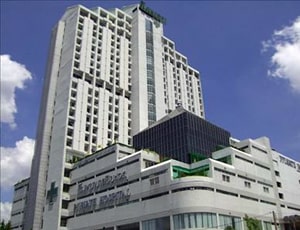
Piyavate Hospital offers dedicated Cervical Decompression with experienced spine specialists, advanced imaging support, and modern operating facilities. Established in 1993, the JCI, ISO accredited hospital is situated in Bangkok, Thailand and has 150 beds supporting comprehensive spinal care.
Cervical Decompression aims to reduce pressure on nerves or the spinal cord caused by narrowing or structural abnormalities in the cervical spine. Surgical approaches may include procedures such as cervical discectomy, laminectomy, or other decompressive techniques depending on the source of compression. In some cases, decompression may be combined with spinal fusion to provide stability. Postoperative physiotherapy and gradual activity progression can support recovery and functional improvement.
Dr. Rela Institute and Medical Centre provides specialized Cervical Decompression with an emphasis on accurate spinal assessment, careful neural decompression, and comprehensive rehabilitation. Established in 2018, the NABH, NABL accredited hospital is based in Chennai, India and has 450 beds supported by advanced neurosurgical and orthopedic facilities.
Cervical Decompression can help relieve symptoms caused by compression of the spinal cord or cervical nerve roots. Conditions such as degenerative disc disease, cervical spinal stenosis, herniated discs, and osteophytes may contribute to this pressure. Before surgery, specialists assess neurological symptoms and review imaging to identify the precise source of compression. Following treatment, patients are monitored for neurological recovery, wound healing, neck discomfort, and mobility, with rehabilitation provided when appropriate.
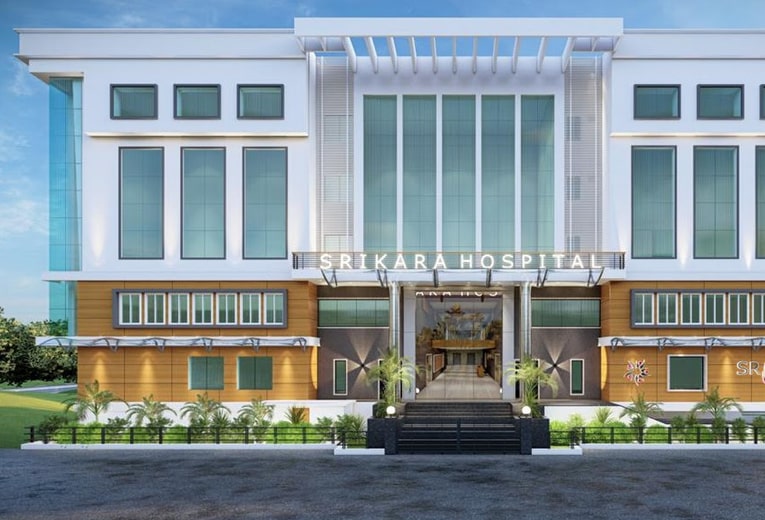
Srikara Hospital, RTC Cross Roads provides specialized Cervical Decompression with an emphasis on accurate spinal assessment, careful neural decompression, and comprehensive rehabilitation. Established in 2013, the NABH accredited hospital is based in Hyderabad, India and has 120 beds supported by advanced neurosurgical and orthopedic facilities.
Cervical Decompression can help relieve symptoms caused by compression of the spinal cord or cervical nerve roots. Conditions such as degenerative disc disease, cervical spinal stenosis, herniated discs, and osteophytes may contribute to this pressure. Before surgery, specialists assess neurological symptoms and review imaging to identify the precise source of compression. Following treatment, patients are monitored for neurological recovery, wound healing, neck discomfort, and mobility, with rehabilitation provided when appropriate.
Choosing Vinmec Phu Quoc Hospital for Cervical Decompression gives patients access to specialist-led spine surgery, advanced diagnostic technology, and coordinated postoperative care. Established in 2015, the JCI accredited hospital is located in Phu Quoc, Vietnam and operates 150 beds with modern spinal treatment infrastructure.
Cervical Decompression is used to address pressure affecting the spinal cord or nerve roots in the cervical region. Patients may be evaluated for surgery when symptoms persist despite appropriate non-surgical treatment or when significant neurological compression is identified. During the procedure, the surgeon removes or modifies structures responsible for narrowing, such as a herniated disc, bone growth, or part of the vertebral arch. The surgical approach depends on the affected level, underlying condition, and overall spinal stability.