Browse verified doctors or let our care team help you find the doctor best suited to your condition, treatment goals, and budget.

BK Plastic Surgery is a trusted healthcare provider for Subtotal Proctocolectomy, offering complex colorectal surgery supported by experienced colorectal surgeons, gastroenterologists, surgical oncologists, stoma therapists, anesthesiologists, and multidisciplinary gastrointestinal teams. Established in 1995, the accredited hospital is situated in Seoul, South Korea and it has adequate bed capacity.
Subtotal Proctocolectomy involves removing the majority or entirety of the colon while leaving the rectum in place. In selected patients, the remaining small intestine may be connected to the rectum to allow stool to pass through the natural route. When direct reconnection is not appropriate, an ileostomy may be created to divert intestinal contents. The exact surgical plan depends on the underlying disease, condition of the rectum, sphincter function, and overall health.
AFRICAN FERTILITY CENTRE (AFC) provides specialised Subtotal Proctocolectomy with a focus on extensive disease removal, preservation of the rectum when clinically appropriate, individualized bowel reconstruction, and comprehensive postoperative care. Established in 1999, the ISO accredited hospital is located in Casablanca, Morocco and operates beds, with modern colorectal surgery, gastrointestinal imaging, endoscopy, laparoscopic, robotic, stoma-care, and rehabilitation infrastructure.
Subtotal Proctocolectomy can provide an important surgical treatment option for appropriately selected patients with extensive colonic disease. Treatment planning considers the underlying diagnosis, severity and distribution of disease, condition of the rectum, anal sphincter function, nutritional status, previous abdominal surgery, and overall health. A multidisciplinary colorectal assessment helps determine whether rectal preservation, ileorectal reconstruction, ileostomy, or a subsequent restorative procedure is most appropriate.
Woodlands Hospital is a trusted healthcare provider for Subtotal Proctocolectomy, offering complex colorectal surgery supported by experienced colorectal surgeons, gastroenterologists, surgical oncologists, stoma therapists, anesthesiologists, and multidisciplinary gastrointestinal teams. Established in 2001, the accredited hospital is situated in Darlington, United Kingdom and has 38 beds.
Subtotal Proctocolectomy involves removing the majority or entirety of the colon while leaving the rectum in place. In selected patients, the remaining small intestine may be connected to the rectum to allow stool to pass through the natural route. When direct reconnection is not appropriate, an ileostomy may be created to divert intestinal contents. The exact surgical plan depends on the underlying disease, condition of the rectum, sphincter function, and overall health.
At Burjeel Specialty Hospital, Sharjah, Subtotal Proctocolectomy is performed using specialized colorectal surgical techniques and comprehensive diagnostic assessment. Established in 2019, this JCI accredited hospital in Sharjah, United Arab Emirates has 75 beds and offers advanced colorectal surgery, gastrointestinal care, surgical oncology, and minimally invasive procedures.
Subtotal Proctocolectomy may be considered when extensive disease affects the colon and removal of most of the colon is required while the rectum can be preserved temporarily or for future reconstruction. Before surgery, the colorectal specialist may review colonoscopy findings, imaging, laboratory results, nutritional status, and the underlying disease. During the procedure, the affected colon is removed while the rectum is retained, and intestinal continuity may be maintained through an ileorectal anastomosis or managed with an ileostomy depending on the clinical circumstances.
Choosing Fortis Hospital for Subtotal Proctocolectomy gives patients access to experienced colorectal surgeons, advanced abdominal imaging and endoscopy, laparoscopic and robotic surgical systems, specialized stoma care, and structured postoperative monitoring. Established in 2006, the JCI, NABH accredited hospital in Mohali, India has 276 beds and provides specialized care for complex inflammatory, hereditary, and colorectal conditions.
Subtotal Proctocolectomy is performed under general anaesthesia, with the surgical approach selected according to the patient's condition and extent of disease. The colon is removed while the rectum is generally preserved. Depending on the treatment plan, the surgeon may create an ileorectal anastomosis or a temporary or permanent ileostomy. After surgery, patients are monitored for bleeding, infection, bowel leakage, obstruction, dehydration, changes in bowel function, and other potential complications.
Manipal Hospital, Hebbal is a trusted healthcare provider for Subtotal Proctocolectomy, offering complex colorectal surgery supported by experienced colorectal surgeons, gastroenterologists, surgical oncologists, stoma therapists, anesthesiologists, and multidisciplinary gastrointestinal teams. Established in 1991, the NABL, NABH accredited hospital is situated in Bangalore, India and has 280 beds.
Subtotal Proctocolectomy involves removing the majority or entirety of the colon while leaving the rectum in place. In selected patients, the remaining small intestine may be connected to the rectum to allow stool to pass through the natural route. When direct reconnection is not appropriate, an ileostomy may be created to divert intestinal contents. The exact surgical plan depends on the underlying disease, condition of the rectum, sphincter function, and overall health.
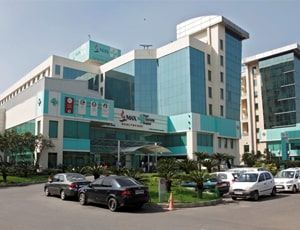
At Max Super Speciality Hospital, Saket, Subtotal Proctocolectomy is performed using specialized colorectal surgical techniques and comprehensive diagnostic assessment. Established in 2006, this JCI, NABH accredited hospital in Delhi, India has 539 beds and offers advanced colorectal surgery, gastrointestinal care, surgical oncology, and minimally invasive procedures.
Subtotal Proctocolectomy may be considered when extensive disease affects the colon and removal of most of the colon is required while the rectum can be preserved temporarily or for future reconstruction. Before surgery, the colorectal specialist may review colonoscopy findings, imaging, laboratory results, nutritional status, and the underlying disease. During the procedure, the affected colon is removed while the rectum is retained, and intestinal continuity may be maintained through an ileorectal anastomosis or managed with an ileostomy depending on the clinical circumstances.
Choosing Bayindir Healthcare Group for Subtotal Proctocolectomy gives patients access to experienced colorectal surgeons, advanced abdominal imaging and endoscopy, laparoscopic and robotic surgical systems, specialized stoma care, and structured postoperative monitoring. Established in 1992, the JCI accredited hospital in Ankara, Turkey has 153 beds and provides specialized care for complex inflammatory, hereditary, and colorectal conditions.
Subtotal Proctocolectomy is performed under general anaesthesia, with the surgical approach selected according to the patient's condition and extent of disease. The colon is removed while the rectum is generally preserved. Depending on the treatment plan, the surgeon may create an ileorectal anastomosis or a temporary or permanent ileostomy. After surgery, patients are monitored for bleeding, infection, bowel leakage, obstruction, dehydration, changes in bowel function, and other potential complications.
Gurgaon, India
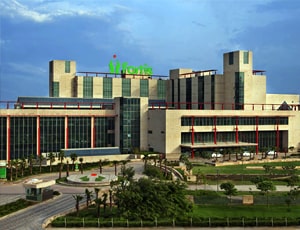
Fortis Memorial Research Institute provides specialised Subtotal Proctocolectomy with a focus on extensive disease removal, preservation of the rectum when clinically appropriate, individualized bowel reconstruction, and comprehensive postoperative care. Established in 2013, the JCI, NABH, NABL accredited hospital is located in Gurgaon, India and operates 311 beds, with modern colorectal surgery, gastrointestinal imaging, endoscopy, laparoscopic, robotic, stoma-care, and rehabilitation infrastructure.
Subtotal Proctocolectomy can provide an important surgical treatment option for appropriately selected patients with extensive colonic disease. Treatment planning considers the underlying diagnosis, severity and distribution of disease, condition of the rectum, anal sphincter function, nutritional status, previous abdominal surgery, and overall health. A multidisciplinary colorectal assessment helps determine whether rectal preservation, ileorectal reconstruction, ileostomy, or a subsequent restorative procedure is most appropriate.
At Medicana Avcilar, Subtotal Proctocolectomy is performed using specialized colorectal surgical techniques and comprehensive diagnostic assessment. Established in 1995, this JCI accredited hospital in Istanbul, Turkey has 63 beds and offers advanced colorectal surgery, gastrointestinal care, surgical oncology, and minimally invasive procedures.
Subtotal Proctocolectomy may be considered when extensive disease affects the colon and removal of most of the colon is required while the rectum can be preserved temporarily or for future reconstruction. Before surgery, the colorectal specialist may review colonoscopy findings, imaging, laboratory results, nutritional status, and the underlying disease. During the procedure, the affected colon is removed while the rectum is retained, and intestinal continuity may be maintained through an ileorectal anastomosis or managed with an ileostomy depending on the clinical circumstances.
Choosing Medicana Sivas Hospital for Subtotal Proctocolectomy gives patients access to experienced colorectal surgeons, advanced abdominal imaging and endoscopy, laparoscopic and robotic surgical systems, specialized stoma care, and structured postoperative monitoring. Established in 2015, the JCI accredited hospital in Sivas, Turkey has 105 beds and provides specialized care for complex inflammatory, hereditary, and colorectal conditions.
Subtotal Proctocolectomy is performed under general anaesthesia, with the surgical approach selected according to the patient's condition and extent of disease. The colon is removed while the rectum is generally preserved. Depending on the treatment plan, the surgeon may create an ileorectal anastomosis or a temporary or permanent ileostomy. After surgery, patients are monitored for bleeding, infection, bowel leakage, obstruction, dehydration, changes in bowel function, and other potential complications.
Acibadem University Hospital Atakent provides specialised Subtotal Proctocolectomy with a focus on extensive disease removal, preservation of the rectum when clinically appropriate, individualized bowel reconstruction, and comprehensive postoperative care. Established in 2014, the JCI accredited hospital is located in Istanbul, Turkey and operates 278 beds, with modern colorectal surgery, gastrointestinal imaging, endoscopy, laparoscopic, robotic, stoma-care, and rehabilitation infrastructure.
Subtotal Proctocolectomy can provide an important surgical treatment option for appropriately selected patients with extensive colonic disease. Treatment planning considers the underlying diagnosis, severity and distribution of disease, condition of the rectum, anal sphincter function, nutritional status, previous abdominal surgery, and overall health. A multidisciplinary colorectal assessment helps determine whether rectal preservation, ileorectal reconstruction, ileostomy, or a subsequent restorative procedure is most appropriate.
At Iranian Hospital, Subtotal Proctocolectomy is performed using specialized colorectal surgical techniques and comprehensive diagnostic assessment. Established in 1970, this accredited hospital in Dubai, United Arab Emirates has 220 beds and offers advanced colorectal surgery, gastrointestinal care, surgical oncology, and minimally invasive procedures.
Subtotal Proctocolectomy may be considered when extensive disease affects the colon and removal of most of the colon is required while the rectum can be preserved temporarily or for future reconstruction. Before surgery, the colorectal specialist may review colonoscopy findings, imaging, laboratory results, nutritional status, and the underlying disease. During the procedure, the affected colon is removed while the rectum is retained, and intestinal continuity may be maintained through an ileorectal anastomosis or managed with an ileostomy depending on the clinical circumstances.
Choosing Istinye University Bahcesehir - LIV Hospital for Subtotal Proctocolectomy gives patients access to experienced colorectal surgeons, advanced abdominal imaging and endoscopy, laparoscopic and robotic surgical systems, specialized stoma care, and structured postoperative monitoring. Established in 2016, the ISO, JCI accredited hospital in Istanbul, Turkey has 394 beds and provides specialized care for complex inflammatory, hereditary, and colorectal conditions.
Subtotal Proctocolectomy is performed under general anaesthesia, with the surgical approach selected according to the patient's condition and extent of disease. The colon is removed while the rectum is generally preserved. Depending on the treatment plan, the surgeon may create an ileorectal anastomosis or a temporary or permanent ileostomy. After surgery, patients are monitored for bleeding, infection, bowel leakage, obstruction, dehydration, changes in bowel function, and other potential complications.
Choosing KCM Clinic for Subtotal Proctocolectomy gives patients access to experienced colorectal surgeons, advanced abdominal imaging and endoscopy, laparoscopic and robotic surgical systems, specialized stoma care, and structured postoperative monitoring. Established in 2006, the ISO accredited hospital in Jelenia Gora, Poland has 85 beds and provides specialized care for complex inflammatory, hereditary, and colorectal conditions.
Subtotal Proctocolectomy is performed under general anaesthesia, with the surgical approach selected according to the patient's condition and extent of disease. The colon is removed while the rectum is generally preserved. Depending on the treatment plan, the surgeon may create an ileorectal anastomosis or a temporary or permanent ileostomy. After surgery, patients are monitored for bleeding, infection, bowel leakage, obstruction, dehydration, changes in bowel function, and other potential complications.