Life After Balloon Valvuloplasty: Recovery Timeline and What to Expect
Published: Nov 03, 2026
Updated: Nov 03, 2026
Published: Nov 03, 2026
Updated: Nov 03, 2026
Balloon valvuloplasty is a non-invasive technique that widens narrowed heart valves, allowing blood to flow normally. Although balloon valvuloplasty is quicker and more comfortable than surgical treatment, it doesn't treat the root cause of the disease, so follow-ups are necessary.
If you or a loved one is preparing for balloon valvuloplasty, understanding what happens after the procedure can help you feel more confident and recognise when medical attention may be needed.
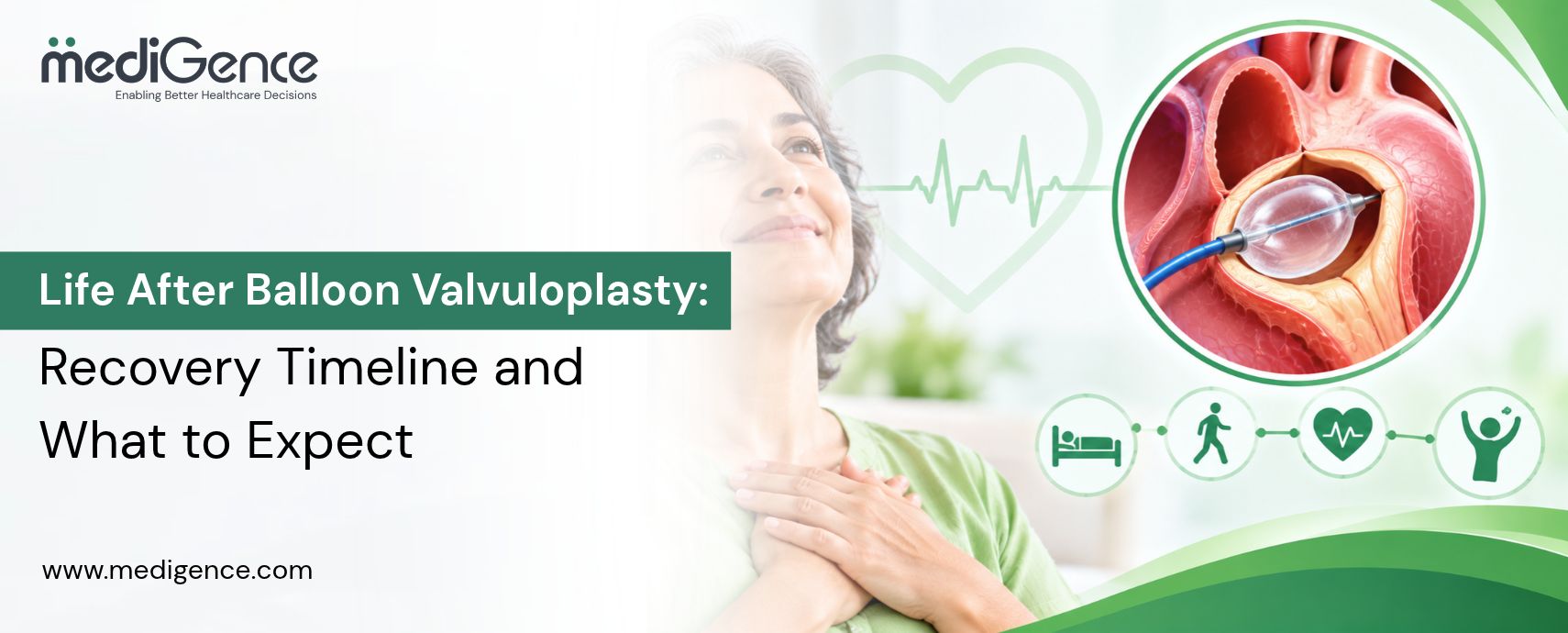
Balloon valvuloplasty, also called balloon valvotomy, involves guiding a catheter with a deflated balloon through a blood vessel to the narrowed heart valve. The balloon is inflated briefly to widen the valve opening, then deflated and removed.
After the procedure, medical professionals will move the patient to the recovery room or cardiac care unit for monitoring. They check blood pressure, heart rate, heart rhythm, oxygen levels, and the catheter insertion site.
Patients are required to remain flat for a couple of hours after the moment when the catheter is put into the vessel in the groin to minimise the risk of bleeding. Medical specialists monitor the circulation and feeling in the leg where the procedure was performed. Most patients are discharged right after this, but hospital stay varies depending on the patient, the type of valve procedure performed, and possible complications.
Connect with experienced cardiologists and leading heart hospitals to understand your treatment options, evaluate your recovery needs, and receive personalised medical guidance. Trusted by 100000+ patients and leading medical experts. Looking for the Right Cardiologist for Balloon Valvuloplasty?

Balloon valvuloplasty is conducted with the intention to improve blood flow through the heart and relieve it from some of its obligations. The improvements depend on which valve is treated and the patient's condition. This includes:
Recovery timing and degree vary between individuals. While some people experience the effects of balloon valvuloplasty early on, others may experience such effects gradually. The results of the balloon valvuloplasty procedure do not ensure complete symptom relief, and some patients still need to take additional medications or undergo other types of treatment.
The durability of the results depends on the valve type and the nature of the disease. For example, while balloon therapy may have similar effects across various mitral or pulmonary valve diseases, balloon treatment for aortic stenosis can have different long-term effects.

Planning Balloon Valvuloplasty?
Explore balloon valvuloplasty treatment, compare leading hospitals, and connect with qualified cardiac specialists to make informed decisions about your heart care.
Balloon valvuloplasty widens the valve, but it does not always eliminate the underlying disease. Over time, the valve may narrow again, or leakage may develop or worsen. Some patients may also have other heart conditions that require ongoing treatment.
Follow-up appointments allow the cardiologist to review symptoms, evaluate the patient, determine medication needs, and order diagnostic tests like echocardiograms when needed. The frequency of these appointments depends on the type of valve involved and the patient's condition.
It is important to inquire from the cardiologist about the results of the procedure, whether any obstruction or leakage is present, what signs to watch for, and when the next imaging study should be performed.
Life after balloon valvuloplasty often involves a short recovery period followed by a gradual return to daily activities. Protecting the catheter insertion site, following medication instructions, increasing activity carefully, and attending follow-up appointments all contribute to safer recovery.
Most importantly, balloon valvuloplasty is one part of managing heart valve disease. The long-term outlook depends on the valve treated, the underlying cause, and how well the heart responds. Work closely with your cardiologist to understand your results, recognise warning signs, and plan the next steps in your care.
Many patients can start light activities shortly after the procedure, and almost all can return to full activities after 1 to 2 weeks if things go well. However, patients may still need to avoid strenuous activities for a longer period. The recovery timeline depends on the valve treated, the patient's health condition, and the cardiologist’s recommendations.
Some fatigue may happen during the recovery period, especially in patients who suffered from serious heart diseases before the operation. Those who had a heart condition before treatment may see their energy levels rise gradually.
Indeed. The valve can narrow again over time; however, whether this happens depends on the valve type and the underlying disease. Specialist monitoring and appropriate imaging are needed to detect any changes.
Gentle walking may be appropriate soon after the procedure once your medical team approves it. Avoid heavy lifting and strenuous exercise until your cardiologist confirms it is safe to resume them. Follow individual instructions rather than a general timetable.

Tanya Bose is a medical content specialist with a strong medical background. She has completed her Bachelor's and Master’s in Biotechnology from Amity University. With a deep understanding of biomedical sciences and research, she develops authoritative and patient-focused medical content covering treatments, surgical procedures, and healthcare innovations. Her writing emphasizes accuracy, clarity, and evidence-based information to help readers better understand complex medical topics. She is dedicated to improving patient awareness and supporting informed healthcare decisions by delivering trustworthy medical insights in a clear and accessible format.

Dr. Naresh Kumar Goyal is highly trained as a cardiologist with exposure in virtually all aspects of cardiology. He qualified with an MD in internal medicine in 1999 from SMS Medical College, Jaipur, and served in the Cardiology Department as an honorary resident. From this stage, he also started with training in the temporary pacing of the pacemaker as well as interventional services.

Delhi, India

Istanbul, Turkey

Istanbul, Turkey

Istanbul, Turkey
 Active

.jpg)

.jpg)
.jpg)
.jpg)


 Surgery.jpg)
