Why People with Diabetes in Mauritius Are More Likely to Develop Heart Disease
Published: Jul 22, 2026
Updated: Jul 22, 2026

Published: Jul 22, 2026
Updated: Jul 22, 2026
The two main health issues impacting Mauritius are heart disease and diabetes. Many people think of them as separate health issues, but they are really the same. Heart disease is a key risk factor in developing heart problems for patients who have diabetes.
Over the last few decades in Mauritius, there has been an increasing burden on the population from non-communicable diseases. This is due to changes in lifestyle, diet, environment, and genetic predisposition. Understanding the relationship between heart problems and diabetes will enable early intervention and prevention, helping maintain health over the long term.
Diabetes is becoming increasingly common in Mauritius, and it is estimated that over half of the adult population of Mauritius is either diagnosed with diabetes or pre-diabetes. Because these people are pre-diabetic, they are at high risk for numerous other complications.
The most common form of diabetes is Type 2 Diabetes, which is caused when the body's tissues can no longer make enough insulin or become resistant to insulin; therefore, blood sugar glucose levels rise, and over time these consistently elevated blood glucose levels result in damage to blood vessels, nerves and all major organs, including the heart.
According to a study, "Over a median 15.1-year follow-up, 1,557 participants died. Compared with those with normal glucose tolerance, the all-cause mortality hazard ratios (HR) for known diabetes, newly diagnosed diabetes, and impaired glucose tolerance were 3.35 (95% CI 2.77-4.04), 2.11 (1.73-2.57), and 1.53 (1.26-1.87) in South Asians and 2.14 (1.65-2.79), 1.41 (1.06-1.88), and 1.08 (0.83-1.40) in Africans, respectively. Those with impaired fasting glucose were not at increased risk in either ethnicity."
It takes many years of uncontrolled blood sugar levels for many people to be diagnosed with diabetes, and while they are living with undiagnosed diabetes, they could have silent damage being done to their cardiovascular systems.
Need Help Choosing the Right Cardiac Surgery Package? Compare procedure-wise packages and shortlists of internationally accredited cardiac hospitals. Get guidance from experienced cardiac surgeons to match the best option to your condition and budget.
Heart disease does not happen quickly; however, it may happen as a result of prolonged, gradual injury to the blood vessels and the heart. Diabetes accelerates this process at a number of different levels.
High blood sugar damages the inner lining of blood vessels. When blood vessels are injured, fatty deposits and cholesterol can more easily stick to or become embedded in the walls of the arteries than when they’re healthy.
Over time, fatty deposits form plaques that narrow and harden the arteries (a condition known as atherosclerosis). Reduced blood flow increases the risk of heart attacks, strokes and peripheral artery disease.
Diabetes causes chronic low-grade inflammation throughout the entire body. Chronic low-grade inflammation plays a major role in the development of cardiovascular disease: it promotes plaque formation and destabilises already formed plaques.
When plaques rupture, blood clots may form and block blood flow to the heart or brain, leading to cardiovascular disease or stroke.
Hypertension is common in people with diabetes. Due to hypertension, the heart must pump harder, and there is increased strain on the walls of blood vessels. Diabetes and hypertension together cause a greater chance of cardiovascular problems developing.
Diabetes may affect one's ability to regulate blood lipids. Some common problems associated with having diabetes include the following:
These issues lead to plaque deposits in the arteries, thereby increasing the risk of heart disease.
Real Patient story: https://medigence.com/blog/redo-cabg-surgery-in-india/
When it comes to diabetes and heart disease, it is clear that someone's lifestyle choices can have a significant effect on their overall health.
The modern diet includes an excess consumption of:
Although these foods are very convenient, their regular intake can contribute to obesity, insulin resistance, high cholesterol levels, and heart disease.
Due to the prevalence of office-based work, increased time spent in front of screens, and decreased physical activity, sedentary lifestyles are becoming increasingly common.
Regular moderate exercise will help you control your blood glucose levels, lower your blood pressure, maintain a healthy bodyweight, and strengthen your cardiovascular system. Sedentary lifestyles greatly increase your chances of developing both diabetes and heart disease.
Excess body weight, especially around the belly, is closely linked to insulin resistance and heart disease. Carrying extra weight around your waist may raise inflammation levels, affect your hormones, and increase the workload on your heart.
Mauritius has many different cultures, including a significant South Asian population. Studies have shown that people from South Asia have an increased risk of developing type 2 diabetes and heart disease based on their genes.
This group can develop metabolic disorders at a younger age and with a lower BMI than many other ethnicities.
Coronary Artery Disease: It is the most common type of heart disease associated with diabetes. Narrowing of your coronary arteries decreases the amount of blood that reaches your heart, which could lead to a heart attack.
Heart Failure: People with diabetes are also at a higher risk for developing heart failure, where the heart weakens and cannot effectively pump blood to the rest of the body.
Stroke: Like the arteries supplying blood to the heart, strokes occur in blood vessels inside the brain, which can also be affected by a similar process.
Peripheral Artery Disease: Many diabetics have decreased blood flow in their legs and feet. This causes pain, slows wound healing, and puts one at risk of developing serious infections.
Many people with diabetes have fewer obvious symptoms of heart disease. Nerve damage caused by diabetes may decrease the ability to feel pain, which could result in someone having a "silent" heart attack.
Some of the warning signs that require immediate attention to the hospital are:
Routine health screenings will help detect cardiovascular problems before they become serious complications.
There is good news regarding cardiovascular problems: by properly managing your diabetes, many complications can be prevented.
If you keep your blood glucose within the acceptable range of 70-180 mg/dl (or your physician's recommended level), you will reduce the risk of damaging blood vessels and the long-term risk of developing cardiovascular problems.
Regular monitoring of your blood glucose level, taking your prescribed medication, and making necessary dietary changes will all play an essential part in controlling your blood glucose.
Maintaining blood pressure within target levels is paramount to decreasing stress on the heart and vascular system. Patients must, therefore, work in collaboration with their doctors to achieve the recommended targets.
Healthy cholesterol levels help reduce plaque buildup and improve overall cardiovascular health. Lifestyle modifications and prescribed medications may be recommended when necessary.
Regular exercise improves insulin sensitivity, helps maintain a healthy weight, and strengthens the cardiovascular system. Moderate exercise, such as brisk walking, offers great protection against many chronic diseases.
Smoking substantially amplifies the risk for heart disease while exacerbating diabetic complications. Quitting smoking is one of the best things you can do to improve long-term health outcomes.
Get country-wise cost estimates, compare leading hospitals, and receive a personalized treatment plan based on your procedure type and medical reports.

Trusted by 100000+ patients and leading medical experts.
Most of the time, people don't learn of their cardiovascular risk until the damage is irreparable. Therefore, regular health assessments are vital for early identification of problems.
Screen for:
Early action can help reduce the risk of serious complications.
Diabetes and heart disease are two major public health issues in Mauritius. Diabetes causes cardiovascular disease by damaging blood vessels, triggering inflammation, leading to hypertension (high blood pressure), and disrupting cholesterol metabolism. Consequently, diabetics have a greater chance of suffering from heart attacks, strokes, or heart failure than those without.
Many diabetics will not develop these serious complications if they engage in early diagnosis, effective medical treatment, make healthy lifestyle choices through physical activity, and routine cardiovascular screening. In Mauritius, understanding how diabetes affects the heart will be the first step toward preventing complications and promoting healthy lives for both individuals and communities.
Reference
Diabetes can damage blood vessels and nerves that control the heart. High blood sugar levels over time also contribute to plaque buildup in the arteries, increasing the risk of heart attacks and strokes.
Common signs include chest pain, shortness of breath, fatigue, dizziness, irregular heartbeat, and swelling in the legs. Some diabetic patients may experience fewer symptoms due to nerve damage.
Factors such as sedentary lifestyles, unhealthy dietary habits, obesity, smoking, and a high prevalence of diabetes contribute to increased rates of heart disease in Mauritius.
Research suggests that people of South Asian ancestry, including many Indo-Mauritians, may have a higher genetic predisposition to insulin resistance, type 2 diabetes, and cardiovascular disease, making regular screening and preventive care especially important.
Adopting a healthier lifestyle is key. Regular physical activity, a balanced diet rich in fruits and vegetables, maintaining a healthy weight, avoiding smoking, limiting alcohol consumption, and attending routine health screenings can help reduce the risk of both conditions.

Tanya Bose is a medical content specialist with a strong medical background. She has completed her Bachelor's and Master’s in Biotechnology from Amity University. With a deep understanding of biomedical sciences and research, she develops authoritative and patient-focused medical content covering treatments, surgical procedures, and healthcare innovations. Her writing emphasizes accuracy, clarity, and evidence-based information to help readers better understand complex medical topics. She is dedicated to improving patient awareness and supporting informed healthcare decisions by delivering trustworthy medical insights in a clear and accessible format.

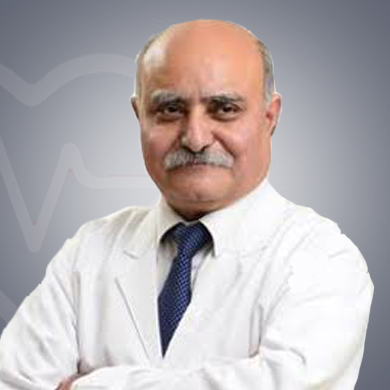
Dr. Naresh Kumar Goyal is highly trained as a cardiologist with exposure in virtually all aspects of cardiology. He qualified with an MD in internal medicine in 1999 from SMS Medical College, Jaipur, and served in the Cardiology Department as an honorary resident. From this stage, he also started with training in the temporary pacing of the pacemaker as well as interventional services.



Delhi, India

Istanbul, Turkey

Istanbul, Turkey

Istanbul, Turkey
 Active


 Surgery.jpg)

.jpg)


.jpg)