Life After Cardiac Valve Replacement: A Patient’s Guide to Healing
Published: Oct 26, 2026
Updated: Oct 26, 2026
Published: Oct 26, 2026
Updated: Oct 26, 2026
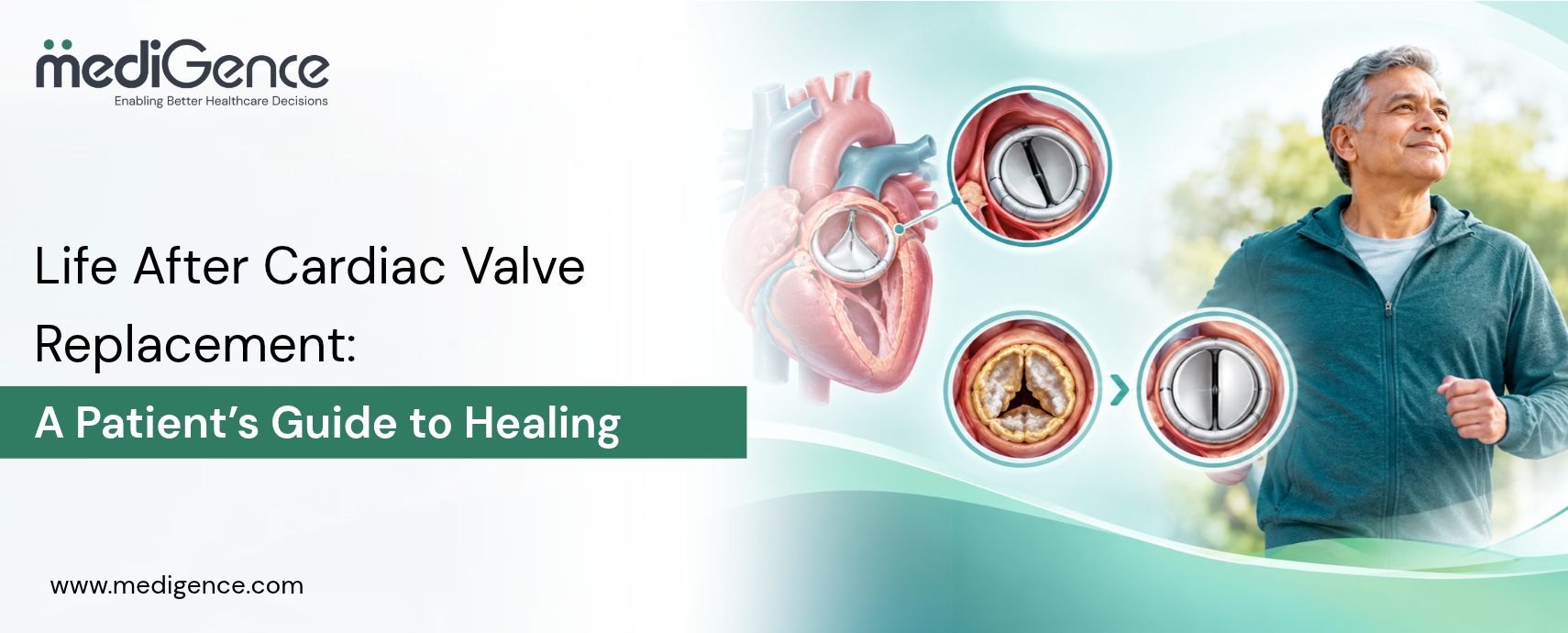
Cardiac valve replacement is an important step in managing heart valve disorders. A defective valve is replaced with either a mechanical or tissue valve, improving blood flow through the heart. After the procedure, most patients experience fewer symptoms, such as chest heaviness, dyspnea, or fatigue, and recover, allowing them to resume their usual activities.
But recovery doesn't end with the operation. Healing means handling pain, getting stronger, using prescribed medications, and having follow-ups. Knowing what to expect during recovery can help patients and their families with the healing process.
Patients are closely monitored after surgery in the intensive care unit until they are moved to a regular hospital ward. Staff monitor heart rhythm, blood pressure, breathing, and wound healing. Staff remove temporary pacing wires and drainage tubes when the patient's condition allows.
Patients in the ICU often start getting out of bed and walking short distances with help from nurses and physiotherapists. Some patients undergo minimally invasive valve surgery, while others receive a replacement through a catheter, such as transcatheter aortic valve replacement (TAVR/TAVI). Recovery differs between these ways.
Recovery depends on several factors, including the type of procedure, the valve replaced, and the patient's health status. However, most patients still follow a similar recovery timeline for this procedure.
During the first few days, medical staff will focus on stabilising the patient and monitoring heart function. They will also manage pain and encourage gentle exercise as soon as possible.
Generally, following the surgery, patients can expect some pain around the chest area where the incision was made; they might also feel some pain in the shoulders and back, as well as feel fatigued and lose their appetite.
Before discharge, hospital staff give patients instructions on wound care, medications, activity restrictions, and follow-up appointments. Some patients may stay in the hospital several days, while others can go home much earlier after a TAVI/TAVR procedure.
Looking for Expert Care After Cardiac Valve Replacement? Connect with experienced cardiac surgeons and cardiologists to understand your treatment options, recovery plan, and long-term heart health needs. Find the right specialist for personalized medical guidance.
At first, the person must stay in bed and care for the wound until they can use their legs sufficiently. Running errands, cooking, doing the washing, etc. invariably require help from outside.
Short walks around the home may help rebuild stamina. Increase activity gradually and rest when tired rather than attempting to resume a full routine immediately.
Keep the surgical incision clean and follow the hospital's bathing instructions. Do not apply creams or other products to the wound unless your healthcare team recommends them.
The purpose of this rehabilitation was to make the patients strong enough to be active, healthy, and able to perform their daily duties. Nonetheless, even though patients felt more active and much stronger than before, they might still experience fatigue, and recovery could still take considerable time.
Walking duration can increase based on tolerance, as confirmed by the medical team. Patients whose breastbone was cut during the operation have to adhere to certain recommendations concerning lifting, pushing, pulling, and stress on their upper body after surgery.
At this stage, some individuals can go back to their daily routines. However, full recovery after open-heart surgery takes approximately 2-3 months.
At this stage, most patients who have had simple open-heart valve replacements show great improvement. Some may still experience fatigue or require more time to regain their previous fitness level.
Long-term management depends on three key factors: monitoring the valve, checking for other heart disorders, and living a healthy lifestyle. The doctor may recommend regular checkups and echocardiograms to monitor the valve and heart.
Replacing a diseased valve can improve blood flow and reduce the strain on the heart. Depending on the original condition and the patient's recovery, potential benefits include:
Some patients notice changes relatively early, while others improve gradually over several weeks or months. Symptoms may persist if other heart or lung conditions are present. Valve replacement also does not eliminate the need for long-term medical care. Regular monitoring helps identify changes in valve function and other health concerns.
Medication is an important part of recovery, but the treatment plan depends on the type of valve implanted and the patient's other medical conditions.
Never discontinue, alter, or substitute taking prescription medications without consulting a physician. Tell your doctor and dentist about your replacement heart valve, especially before procedures that can increase the risk of bleeding and infection.
Valve replacement generally improves heart function, but complications can occur during recovery. Make sure to call your doctor right away if you notice any of these signs:
Seek emergency medical attention for:
New or worsening swelling in the legs or abdomen, sudden weight gain, or increasing breathlessness when lying down may indicate fluid retention or worsening heart function and should be reported promptly.
Explore hospitals offering cardiac valve replacement surgery and review available care options to make an informed decision about your treatment journey. Trusted by 100000+ patients and leading medical experts. Planning Cardiac Valve Replacement?

Follow-up appointments help the cardiologist assess healing, review medications, monitor symptoms, and determine whether additional tests are needed. Echocardiography may assess how well the replacement valve is functioning.
The team can also guide patients on progressing physical activity, rehabilitation after heart surgery, monitoring anticoagulation therapy, dental treatment, and future appointment dates. Patients must keep their medication records and report any new or worsening symptoms.
Life after cardiac valve replacement involves gradual healing, rebuilding strength, and learning how to care for the replacement valve. Many patients experience improvements in symptoms and daily functioning, but the recovery timeline depends on the procedure and individual health.
By following medication instructions, exercising safely, practising good oral hygiene, attending cardiac rehabilitation when advised, and keeping up with follow-ups, you can support your recovery. To understand your valve type, medication needs, activity restrictions, and long-term care plan, consult your cardiologist. With adequate assistance and supervision, most patients can return to productive everyday routines and stay healthy.

Tanya Bose is a medical content specialist with a strong medical background. She has completed her Bachelor's and Master’s in Biotechnology from Amity University. With a deep understanding of biomedical sciences and research, she develops authoritative and patient-focused medical content covering treatments, surgical procedures, and healthcare innovations. Her writing emphasizes accuracy, clarity, and evidence-based information to help readers better understand complex medical topics. She is dedicated to improving patient awareness and supporting informed healthcare decisions by delivering trustworthy medical insights in a clear and accessible format.

Dr. Naresh Kumar Goyal is highly trained as a cardiologist with exposure in virtually all aspects of cardiology. He qualified with an MD in internal medicine in 1999 from SMS Medical College, Jaipur, and served in the Cardiology Department as an honorary resident. From this stage, he also started with training in the temporary pacing of the pacemaker as well as interventional services.

Delhi, India

Istanbul, Turkey

Istanbul, Turkey

Istanbul, Turkey
 Active


 Surgery.jpg)

.jpg)


