Our Platform Features
100,000+
Consultations Completed
HIPAA
Compliant Secure & Encrypted
24-48 Hours
Expert Medical Opinion
End-to-End Support
Dedicated Care Manager
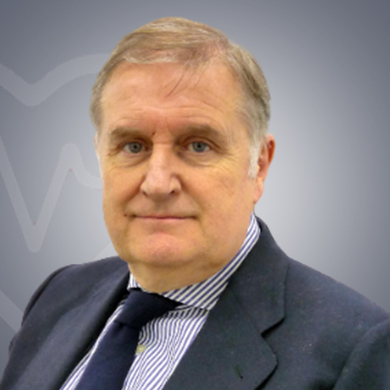
Dr. Luis Madero
University Hospital Quironsalud Madrid, Spain, Madrid
Hematologist • 37 years experience
Spanish EnglishDr. Luis Madero is a specialized Hematologist in Spain. And one of the most sought after medical specialists in Madrid, Spain. The doctor has over 37 Years of experience and is associated with University Hospital Quironsalud Madrid.
Association and Memberships Dr. Luis Madero is part of:
- Spanish Paediatric Association (AEP) (1992-present).
- Spanish Association of Paediatric Haematology.
- Spanish Association of Paediatric Oncology.
- SIOP (International Society of Paediatric Oncology).
- EBMT (European Bone Marrow Transplantation).
- Spanish Association of Haematology and Haemotherapy (AEHH).
Qualifications :
- Resident Medical Intern in Paediatrics at Ramon y Cajal Hospital, 1979-1982.
Hospital Address :
University Hospital Quironsalud Madrid, Calle Diego de Vel
Medical Expertise of Dr. Luis Madero
- Medical expertise of Dr. Luis Madero is Paediatric Haemato-Oncology, Haemato-Oncology and Haematopoietic Transplantation.
- Sickle Cell Disease, Various Autoimmune Diseases, Neuromuscular Disorders, Hematological Disorders, Acute Myelogenous Leukemia (AMI), Aplastic Anemia, Acute Lymphocytic Leukemia, and Thalassemia are some of the conditions for which the specialist provides treatment.
- He has been active in the field of Pediatric Hematology & Oncology for over 37 years.
- Dr. Luis Madero has a rich academic and teaching background, he is a full professor at Pediatrics Department, Autonoma University of Madrid.
- He is involved in development of Research projects as lead investigator at Childrenâs University Hospital Nino Jesus and Research Institute La Princesa.
- Membership in scientific societies as AEP (1992-present),Spanish Association of Paediatric Haematology., Spanish Association of Paediatric Oncology, SIOP, EBMT, AEHH, and SEHOP.
- He holds positions as Patron, Secretary, President of various reputed Foundations and Commissions.