Your Notifications
All done, no notifications

4 Specialists

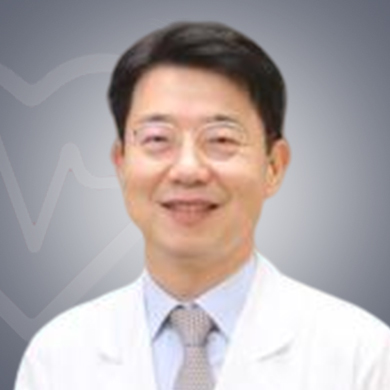
Dr. Young Hak Kim

Cardiologist

, Seoul, South Korea

25 Years of experience

Speaks: Korean , English


Dr. Young Hak Kim is a specialized Interventional Cardiologist in South Korea. And one of the most sought after medical specialists in Seoul, South Korea. The doctor has over 25 Years of experience and is associated with Asan Medical Centre.

Certifications :

  • Fellowship Training at Asan Medical Center
  • Fellowship Cardiovascular Research Foundation, Columbia University, NY.

Qualifications :

  • Medical Degree, Kyungpook National University
  • Masters from University of Ulsan
  • PhD from Kyungpook National University

Hospital Address :

Asan Medical Center, Olympic-ro 43-gil, Pungnap 2(i)-dong, Songpa-gu, Seoul, South Korea

What is the medical expertise of Dr Young Hak Kim

  • Dr Young Hak Kim is a renowned interventional cardiologist with more than 25 years of experience in treating conditions such as coronary artery disease, hyperlipidemia, cardiac infarction, angina, and myocardial infarction. He specializes in conventional PCI, angiography and stenting.
  • He completed a Fellowship in Cardiology at UUCM, AMC and Cardiovascular Research Foundation, Columbia University, New York.
  • Throughout his career, Dr Kim has published his research in many prestigious scientific journals. Some of his publications include:
    1. Mortality after coronary artery bypass grafting versus percutaneous coronary intervention with stenting for coronary artery disease: a pooled analysis of individual patient data.
    2. Randomized Trial Evaluating Percutaneous Coronary Intervention for the Treatment of Chronic Total Occlusion.
    3. Fractional Flow Reserve and Cardiac Events in Coronary Artery Disease: Data From a Prospective IRIS-FFR Registry (Interventional Cardiology Research Incorporation Society Fractional Flow Reserve).
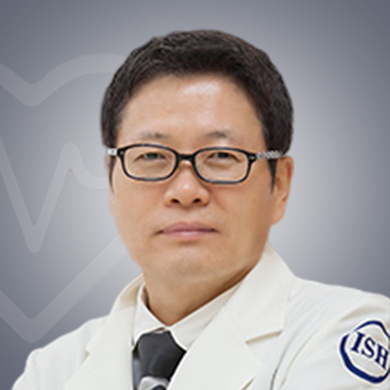
Dr. Kim Myeong Kon

Cardiologist

, Seoul, South Korea

20 Years of experience

Speaks: Korean , English


Dr. Kim Myeong Kon is a specialized Interventional Cardiologist in South Korea. And one of the most sought after medical specialists in Seoul, South Korea. The doctor has over 20 Years of experience and is associated with International St. Mary's Hospital.

Qualifications :

  • M.S., Hanyang University Graduate School of Medicine
  • Ph.D., Hanyang University Graduate School of Medicine

Hospital Address :

International St. Mary's Hospital, Simgok-ro 100beon-gil, Yeonhui-dong, Seo-gu, Incheon, South Korea
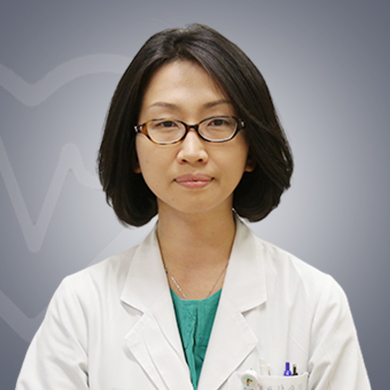
Dr. Soojin Kang

Cardiologist

, Seoul, South Korea

20 Years of experience

Speaks: Korean , English


Dr. Soojin Kang is a specialized Interventional Cardiologist in South Korea. And one of the most sought after medical specialists in Seoul, South Korea. The doctor has over 20 Years of experience and is associated with Asan Medical Centre.

Qualifications :

  • 2003-2006, Ulsan University Doctor of Medicine
  • 2001-2003, Ulsan University Master of Medicine
  • 1991-1997, Bachelor of Medicine, Hanyang University

Hospital Address :

Asan Medical Center, Olympic-ro 43-gil, Pungnap 2(i)-dong, Songpa-gu, Seoul, South Korea

Do you know?

Using MediGence’s Telemedicine Platform, you can book a personalized video consultation with renowned doctors around the world

Explore Telemedicine Platform

Featured Telemedicine Doctors

Dr. Kang Duk Hyun

Cardiologist

, Seoul, South Korea

30 Years of experience

Speaks: Korean , English


Dr. Kang Duk Hyun is a specialized Interventional Cardiologist in South Korea. And one of the most sought after medical specialists in Seoul, South Korea. The doctor has over 30 Years of experience and is associated with Asan Medical Centre.

Qualifications :

  • 1994-1999, Seoul National University Doctor of Medicine
  • 1991-1993, Seoul National University Master of Medicine
  • 1981-1987, Seoul National University, Bachelor of Medicine

Hospital Address :

Asan Medical Center, Olympic-ro 43-gil, Pungnap 2(i)-dong, Songpa-gu, Seoul, South Korea

Online Interventional Cardiologist Consultations in the South Korea

About Interventional Cardiologist

An interventional cardiologist is a cardiologist specialized in diagnosing and treating cardiovascular diseases, congenital (present at birth) and structural heart conditions through catheter based procedures, such as angioplasty and stenting.

If your cardiologist advises you to undergo an angiogram test to understand in more detail about the blockages in your arteries, then you will have to visit an interventional cardiologist for the same.

Interventional Cardiology is the branch of medicine within the subspecialty of cardiology that uses diagnostic techniques to evaluate the blood pressure and flow in the coronary arteries and chambers of the heart. It also covers the technical procedures and medications to treat abnormalities that impair the function of the cardiovascular system.

An interventional cardiology provides treatment options for various heart and vascular conditions, such as:

  • Coronary artery disease (CAD)
  • Valvular heart disease
  • Structural and non-valvular heart disease
  • Hypertrophic cardiomyopathy (HCM)
  • Resistant hypertension
  • Atrial septal defect
  • Patent foramen ovale

Procedures Performed

  • Heart valve repair or replacement
  • Balloon aortic valvuloplasty
  • Balloon mitral valvuloplasty
  • Transcatheter aortic valve replacement (TAVR)
  • Transcatheter mitral valve repair (TMVR)
  • Treatments for arteries
  • Percutaneous coronary intervention (angioplasty and stenting)
  • Hybrid coronary revascularization
  • Complex coronary intervention for chronic total occlusions
  • Heart defect repair
  • Atrial septal defect closure
  • Patent foramen ovale (PFO) closure
  • Reduction of stroke risk
  • Left atrial appendage closure
  • Lifestyle changes and medication

Top Interventional Cardiologists in South Korea

DoctorAssociated Hospital
Dr. Soojin KangAsan Medical Centre, Seoul
Dr. Young Hak KimAsan Medical Centre, Seoul
Dr. Kim Myeong KonInternational St. Mary's Hospital, Seoul
Dr. Kang Duk HyunAsan Medical Centre, Seoul

Reasons to avail Online Consultation with Interventional Cardiologist in South Korea

Online consultations are revolutionizing the healthcare space and bringing it to the homes of people. Any condition or illness can be treated or managed using this medium of connecting with the most skilled healthcare providers across the globe. This is true of even Cardiac conditions that require constant monitoring and long term care at times and emergency management at others. There is a growing need for technology application as virtual consultations with specialists and even so Interventional Cardiologists. We bring to you the many important reasons why you should get an online consultation with a Interventional Cardiologist in South Korea.

  • South Korea's high-quality health-care system provides a model for how a country can achieve and maintain universal health-care coverage.
  • The country has modern and efficient healthcare institutions because of a wide investment source both private as well as public and institutional support by the government.
  • After being granted permission to draw foreign patients in 2009, the influx of overseas patients in South Korea has increased dramatically, surpassing two million in 2018.
  • In 2020, South Korea consisted of roughly 96.7 thousand health care practitioners, an increase over 2019, continuing the upward trend. The quantity of health care providers (active) also increased by 57 percent between 2000 and 2020.
  • Interventional Cardiologists in South Korea have co-authored various research publications based on their own study and case results.
  • They have also received recognition for their outstanding contributions to the field of cardiac surgery and its subdomains.
  • Interventional Cardiologists in South Korea are highly skilled and experienced surgeons who have performed surgical procedures and treated cardiac illnesses for many years.
  • Members of prestigious organizations like the Korean Society of Critical Care Medicine, the Korean Society of Coronary Artery Disease, The Korean Society for Thoracic & Cardiovascular Surgery, and Korean Medical Association.
  • Many path breaking and innovative surgeries have been performed by Interventional Cardiologists in South Korea owing to their expertise and their technology driven approach.
  • Cardiac treatment, particularly cardiac surgery, continues to progress in South Korea, inclusive of not just adult but paediatric cardiac surgeries.

About Interventional Cardiologist South Korea

Which are the countries where we can find Heart Specialist?

Popular Heart Specialist in Top Countries are :

Type of Heart Specialist available in South Korea?

Top Speciality Doctors in South Korea:

Top Rated Hospitals Where We Can Find Heart Specialist in South Korea?

List of Top Rated Hospitals where we can find Heart Specialist in South Korea are as followed:

Can we get the list of Heart Specialist in South Korea in any other language?

Yes, we provide the list of Heart Specialist in South Korea in the following languages:

Frequently Asked Questions
Who are some of the top Interventional Cardiologists from other countries?
Which are some of the procedures performed by Interventional Cardiologists in South Korea?

Most common procedures performed by interventional cardiologists in South Korea are:

Which are some of the best hospitals in South Korea, Interventional Cardiologist are associated with?

Given below are some of the most popular hospitals in South Korea where interventional cardiologists work:

Which are some of the conditions treated by Interventional Cardiologist in South Korea?

Listed below are some of the most common conditions performed by interventional cardiologists in South Korea are:

  • Tachycardia
  • Coronary Artery Disease
  • Atherosclerosis
  • Bradycardia
  • Blocked Arteries
  • Angina
  • Patent Foramen Ovale
  • Cardiac Arrhythmias
  • Atrial Septal Defect
What are the qualifications of an Interventional Cardiologist?

Board certification should be one of the first priorities when choosing an interventional cardiologist. A doctor might practice interventional cardiology without being board certified in the specialty. But, training, education, experience, and certification establish the doctor’s level of competence. A board certification reflects that a doctor has completed a training program and cleared an exam demonstrating their expertise in interventional cardiology.

The general steps for interventional cardiologists include:

  • Graduation from medical school to obtain MBBS degree followed by post graduation in (MD) or osteopathic medicine (DO)
  • Certification exam and residency training in internal medicine
  • Additional certification exams and training in both interventional cardiology and cardiology.
What conditions does an Interventional Cardiologist treat?

Interventional cardiologists diagnose and treat conditions of the heart and blood vessels, including:

  • Angina (chest pain)
  • Arrhythmia (abnormal heart rhythm)
  • Cardiomyopathy (weakening or enlargement of the heart muscle)
  • Congenital heart defects including patent foramen ovale and atrial septal defect
  • Heart attack (myocardial infarction)
  • Heart failure
  • Abnormalities of the valves, heart valve disorders
  • Myocarditis or heart inflammation
What diagnostic tests are required by an Interventional Cardiologist?

An interventional cardiologist can order a wide variety of diagnostic and screening tests, such as:

  • General health tests like complete blood count (CBC), chest X-ray, urinalysis, blood glucose test, liver and kidney function tests, thyroid hormone tests, cholesterol panel, and blood pressure screening
  • EKG (ECG or electrocardiogram) to record your heart rhythm
  • Echocardiogram (or ultrasound) to assess the heart structure and function
  • Cardiac stress tests to check if the heart has a decreased blood supply because of coronary heart disease
  • Cardiac enzyme tests to find out if the heart is damaged
When should you visit an Interventional Cardiologist?

Interventional cardiologists take care of patients experiencing the following symptoms:

  • Chest pain, which can move into the arms, shoulders, neck, or jaw
  • Dizziness
  • Palpitations or feeling like the heart is racing
  • Shortness of breath
  • Passing out
  • High blood pressure
What can you expect from your first visit with an Interventional Cardiologist?

Your first visit to an interventional cardiologist will involve a check of your vitals, which is a non-invasive method to measure your heart’s electrical activity. Also, the clinical staff will note all details about your family and health history that a cardiologist or heart specialist should know.

The cardiologist will examine your heart health and might suggest some tests that can include urine or blood tests, an electrocardiogram (EKG), an PET, MRI, or CT scan, or a stress test. An interventional cardiologist can diagnose any existing condition and determine future risks. They will also help create a routine that benefits your overall heart health and reduces your risk of developing heart conditions.

Which are the most common procedures performed by an Interventional Cardiologist?
  • Treatments for arteries (angioplasty and stenting)
  • Hybrid coronary revascularization
  • Balloon aortic valvuloplasty
  • Balloon mitral valvuloplasty
  • Percutaneous coronary intervention
  • Transcatheter aortic valve replacement
  • Transcatheter mitral valve repair
  • Complex coronary intervention
  • Heart defect repair
  • Atrial septal defect closure
  • Patent foramen ovale closure
  • Left atrial appendage closure
  • Reduction of stroke risk
  • Heart valve repair or replacement
  • EPS & RFA
  • Heart Port Surgery

FAQs related to South Korea

How to avail online consultation with some of the top doctors in South Korea?

Telemedicine by MediGence makes virtual care for critical conditions easily accessible for you. You can talk to a specialist on a video call from your distant location, real-time screening of reports will be done and you will get the diagnosis, right then and there. You can also record the conversation to use later. We value your privacy, hence all the Healthcare records and teleconsultation are stored securely on HIPAA compliant servers on Cloud.

Follow the simple steps at our Telemedicine platform to book an appointment with a doctor

  • Simply search for the Doctor by a specialty/name
  • Select the best-suited Doctor for you
  • Choose your day for consultation
  • Fill in the details- Name, Mail id, Contact, Describe your symptoms, upload your reports
  • At last, Pay online via Paypal to Book an Appointment for a video consultation with the top renowned doctors/specialists in Thailand

Benefits of Telemedicine :

  • Patient Engagement Increases
  • Reduced Admission Rates and Better Mental Health
  • Cost and Time Saving
  • Optimizing Medications Intake and Reducing Outpatient Visits
  • Keeping medical records and reports up to date
How to choose some of the best rated doctors in South Korea?

Once you have consulted people in your network and researched through various sources the credentials of the doctors, their reviews and referrals, the next step is to zero in further on the basis of their specific skills. The best rated and reviewed doctors in South Korea can be chosen based on the below mentioned and outlined criteria via MediGence.com.

  • Communication skills - A doctor's communication skills are crucial in a variety of situations, including patient contact, staff collaboration, and talking with family members. They must be able to explain what is happening to their patients in a clear and simple manner, ensuring that they comprehend what is going on while staying professional and pleasant. They will also be part of a multi-disciplinary team, and it is vital that they communicate accurately with the other team members.
  • Capable of working in a team - There is no doctor who works on their own. Interdisciplinary teams are common in medical environments, and they will have to collaborate with other doctors, nurses, healthcare assistants, physiotherapists, social workers, and a variety of other professionals. They will be dealing with these employees on a daily basis, therefore it is critical that they are able to interact effectively with others in order to provide the greatest care for their patients. This necessitates them contributing ideas and assisting when possible, as well as delegating any tasks they require and according to any orders given.
  • Work ethics and compassion - A doctor's scientific brilliance may enable them to cure their patients, but without compassion, they will not be the greatest doctor they can be. They must be concerned about their patients' well-being. A doctor helps other people, and they can't do it regularly if they don't care about their patients' well-being. A strong work ethic is also important, but compassion is the attribute that will motivate a doctor to move out of bed at 2 a.m. when they are on call to assist someone who is in need.
  • Organizational Skills - As a doctor, you must juggle a large number of patients, sometimes across numerous wards and even at opposite ends of a hospital. It's easy to become overloaded with patient contact, paperwork, as well as meetings. This is where having good organizational abilities comes in handy. Knowing which activities are critical and which can wait will make one's job much easier, ensuring that patients receive the best possible care while also meeting their specific deadlines.
  • Professionalism - Even as it is a noble profession, being a doctor is a job, and as such, professionalism is essential. This entails remaining courteous, attentive, and well-dressed. One can receive complaints and be disciplined for being disrespectful to both various staff members and patients, just like in any other employment, so it's critical that one maintains a good standard of conduct while at work.

References:

Which are the most common Medical Specialities available in South Korea