Browse verified doctors or let our care team help you find the doctor best suited to your condition, treatment goals, and budget.

Manipal Hospital, Hebbal is a trusted healthcare provider for Radical Cystectomy, offering complex bladder cancer surgery supported by experienced urologists, uro-oncologists, reconstructive surgeons, medical oncologists, radiologists, anesthesiologists, and multidisciplinary cancer teams. Established in 1991, the NABL, NABH accredited hospital is situated in Bangalore, India and has 280 beds.
Radical Cystectomy aims to achieve comprehensive removal of bladder cancer while allowing restoration of urinary drainage through an appropriate diversion. In men, the operation may include removal of the prostate and seminal vesicles when clinically required. In women, removal of the uterus, ovaries, or part of the vaginal wall may be considered depending on tumor location and extent. Pelvic lymph-node dissection is commonly performed as part of the oncological procedure.
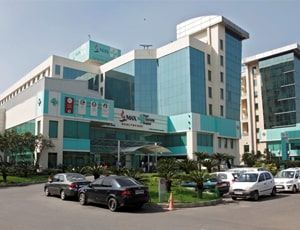
Max Super Speciality Hospital, Saket offers advanced Radical Cystectomy using modern uro-oncological and reconstructive surgical techniques with individualized cancer care plans. Established in 2006, the JCI, NABH accredited hospital is located in Delhi, India and has 539 beds, providing comprehensive urology, uro-oncology, and multidisciplinary cancer care for local and international patients.
Radical Cystectomy is a major surgical procedure primarily used to treat muscle-invasive bladder cancer and selected high-risk or recurrent bladder tumors. The procedure involves removal of the entire urinary bladder along with nearby structures as clinically appropriate. Because the bladder is removed, a urinary diversion is created to provide an alternative pathway for urine to leave the body. The type of diversion may include an ileal conduit, continent urinary reservoir, or neobladder depending on the patient's condition and suitability.
Bayindir Healthcare Group provides specialised Radical Cystectomy with a focus on comprehensive tumor removal, appropriate lymph-node management, preservation of relevant anatomical structures where possible, and individualized urinary reconstruction. Established in 1992, the JCI accredited hospital is located in Ankara, Turkey and operates 153 beds, with modern uro-oncology, robotic surgery, pathology, imaging, intensive-care, and rehabilitation infrastructure.
Radical Cystectomy can provide an important treatment option for appropriately selected patients with advanced or high-risk bladder cancer. Treatment planning considers the tumor stage and location, lymph-node involvement, previous treatments, kidney function, overall health, and suitability for urinary reconstruction. A multidisciplinary oncology assessment may also determine whether chemotherapy, immunotherapy, or other cancer treatments are appropriate before or after surgery.
Gurgaon, India
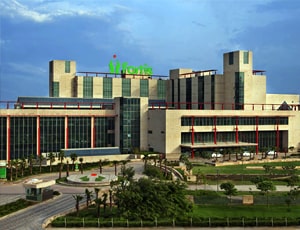
At Fortis Memorial Research Institute, Radical Cystectomy is performed using specialized uro-oncological and reconstructive techniques with comprehensive cancer staging and preoperative assessment. Established in 2013, this JCI, NABH, NABL accredited hospital in Gurgaon, India has 311 beds and offers advanced urology, surgical oncology, minimally invasive surgery, and urinary reconstruction services.
Radical Cystectomy may be recommended for appropriately selected patients with muscle-invasive bladder cancer or certain high-risk non-muscle-invasive tumors that have not responded adequately to other treatments. Before surgery, patients may undergo cystoscopy, biopsy, CT or MRI imaging, laboratory testing, and other staging investigations. During the procedure, the bladder is removed along with selected surrounding tissues and pelvic lymph nodes when indicated, followed by reconstruction of the urinary pathway.
Choosing Medicana Avcilar for Radical Cystectomy gives patients access to experienced uro-oncologists, advanced cancer imaging, robotic and laparoscopic surgical systems, specialized reconstructive facilities, pathology services, and structured postoperative monitoring. Established in 1995, the JCI accredited hospital in Istanbul, Turkey has 63 beds and provides specialized treatment for complex bladder cancer.
Radical Cystectomy is performed under general anaesthesia, with the surgical approach determined by tumor characteristics, anatomy, previous treatment, and overall health. After bladder removal, the surgeon creates a urinary diversion, such as an ileal conduit or neobladder, to allow urine to drain from the kidneys. Patients are closely monitored after surgery for bleeding, infection, blood clots, bowel complications, urinary leakage, electrolyte disturbances, and other potential complications.
Medicana Sivas Hospital offers advanced Radical Cystectomy using modern uro-oncological and reconstructive surgical techniques with individualized cancer care plans. Established in 2015, the JCI accredited hospital is located in Sivas, Turkey and has 105 beds, providing comprehensive urology, uro-oncology, and multidisciplinary cancer care for local and international patients.
Radical Cystectomy is a major surgical procedure primarily used to treat muscle-invasive bladder cancer and selected high-risk or recurrent bladder tumors. The procedure involves removal of the entire urinary bladder along with nearby structures as clinically appropriate. Because the bladder is removed, a urinary diversion is created to provide an alternative pathway for urine to leave the body. The type of diversion may include an ileal conduit, continent urinary reservoir, or neobladder depending on the patient's condition and suitability.
At Asian Institute of Medical Sciences, Radical Cystectomy is performed using specialized uro-oncological and reconstructive techniques with comprehensive cancer staging and preoperative assessment. Established in 2010, this NABL, NABH accredited hospital in Faridabad, India has 425 beds and offers advanced urology, surgical oncology, minimally invasive surgery, and urinary reconstruction services.
Radical Cystectomy may be recommended for appropriately selected patients with muscle-invasive bladder cancer or certain high-risk non-muscle-invasive tumors that have not responded adequately to other treatments. Before surgery, patients may undergo cystoscopy, biopsy, CT or MRI imaging, laboratory testing, and other staging investigations. During the procedure, the bladder is removed along with selected surrounding tissues and pelvic lymph nodes when indicated, followed by reconstruction of the urinary pathway.
Apollo Hospital International Limited provides specialised Radical Cystectomy with a focus on comprehensive tumor removal, appropriate lymph-node management, preservation of relevant anatomical structures where possible, and individualized urinary reconstruction. Established in 2003, the NABH, JCI accredited hospital is located in Ahmedabad, India and operates 300 beds, with modern uro-oncology, robotic surgery, pathology, imaging, intensive-care, and rehabilitation infrastructure.
Radical Cystectomy can provide an important treatment option for appropriately selected patients with advanced or high-risk bladder cancer. Treatment planning considers the tumor stage and location, lymph-node involvement, previous treatments, kidney function, overall health, and suitability for urinary reconstruction. A multidisciplinary oncology assessment may also determine whether chemotherapy, immunotherapy, or other cancer treatments are appropriate before or after surgery.
Manipal Hospital, Gurugram provides specialised Radical Cystectomy with a focus on comprehensive tumor removal, appropriate lymph-node management, preservation of relevant anatomical structures where possible, and individualized urinary reconstruction. Established in 2008, the NABL, NABH accredited hospital is located in Gurgaon, India and operates 380 beds, with modern uro-oncology, robotic surgery, pathology, imaging, intensive-care, and rehabilitation infrastructure.
Radical Cystectomy can provide an important treatment option for appropriately selected patients with advanced or high-risk bladder cancer. Treatment planning considers the tumor stage and location, lymph-node involvement, previous treatments, kidney function, overall health, and suitability for urinary reconstruction. A multidisciplinary oncology assessment may also determine whether chemotherapy, immunotherapy, or other cancer treatments are appropriate before or after surgery.
At Manipal Hospitals Goa, Dona Paula, Radical Cystectomy is performed using specialized uro-oncological and reconstructive techniques with comprehensive cancer staging and preoperative assessment. Established in 1994, this NABH accredited hospital in Panjim, India has 235 beds and offers advanced urology, surgical oncology, minimally invasive surgery, and urinary reconstruction services.
Radical Cystectomy may be recommended for appropriately selected patients with muscle-invasive bladder cancer or certain high-risk non-muscle-invasive tumors that have not responded adequately to other treatments. Before surgery, patients may undergo cystoscopy, biopsy, CT or MRI imaging, laboratory testing, and other staging investigations. During the procedure, the bladder is removed along with selected surrounding tissues and pelvic lymph nodes when indicated, followed by reconstruction of the urinary pathway.
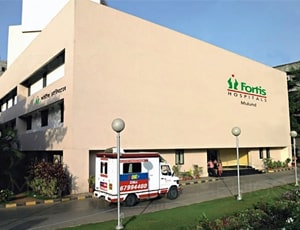
Fortis Hospital provides specialised Radical Cystectomy with a focus on comprehensive tumor removal, appropriate lymph-node management, preservation of relevant anatomical structures where possible, and individualized urinary reconstruction. Established in 2006, the JCI, NABH accredited hospital is located in Mohali, India and operates 276 beds, with modern uro-oncology, robotic surgery, pathology, imaging, intensive-care, and rehabilitation infrastructure.
Radical Cystectomy can provide an important treatment option for appropriately selected patients with advanced or high-risk bladder cancer. Treatment planning considers the tumor stage and location, lymph-node involvement, previous treatments, kidney function, overall health, and suitability for urinary reconstruction. A multidisciplinary oncology assessment may also determine whether chemotherapy, immunotherapy, or other cancer treatments are appropriate before or after surgery.
Metro Hospital offers advanced Radical Cystectomy using modern uro-oncological and reconstructive surgical techniques with individualized cancer care plans. Established in 1997, the NABL, NABH, ISO accredited hospital is located in Noida, India and has 289 beds, providing comprehensive urology, uro-oncology, and multidisciplinary cancer care for local and international patients.
Radical Cystectomy is a major surgical procedure primarily used to treat muscle-invasive bladder cancer and selected high-risk or recurrent bladder tumors. The procedure involves removal of the entire urinary bladder along with nearby structures as clinically appropriate. Because the bladder is removed, a urinary diversion is created to provide an alternative pathway for urine to leave the body. The type of diversion may include an ileal conduit, continent urinary reservoir, or neobladder depending on the patient's condition and suitability.
Sharda Hospital provides specialised Radical Cystectomy with a focus on comprehensive tumor removal, appropriate lymph-node management, preservation of relevant anatomical structures where possible, and individualized urinary reconstruction. Established in 2005, the NABH accredited hospital is located in Noida, India and operates 1200 beds, with modern uro-oncology, robotic surgery, pathology, imaging, intensive-care, and rehabilitation infrastructure.
Radical Cystectomy can provide an important treatment option for appropriately selected patients with advanced or high-risk bladder cancer. Treatment planning considers the tumor stage and location, lymph-node involvement, previous treatments, kidney function, overall health, and suitability for urinary reconstruction. A multidisciplinary oncology assessment may also determine whether chemotherapy, immunotherapy, or other cancer treatments are appropriate before or after surgery.
Delhi, India
Fortis Flt. Lt. Rajan Dhall Hospital is a trusted healthcare provider for Radical Cystectomy, offering complex bladder cancer surgery supported by experienced urologists, uro-oncologists, reconstructive surgeons, medical oncologists, radiologists, anesthesiologists, and multidisciplinary cancer teams. Established in 2006, the NABH accredited hospital is situated in Delhi, India and has 162 beds.
Radical Cystectomy aims to achieve comprehensive removal of bladder cancer while allowing restoration of urinary drainage through an appropriate diversion. In men, the operation may include removal of the prostate and seminal vesicles when clinically required. In women, removal of the uterus, ovaries, or part of the vaginal wall may be considered depending on tumor location and extent. Pelvic lymph-node dissection is commonly performed as part of the oncological procedure.
Acibadem Altunizade Hospital offers advanced Radical Cystectomy using modern uro-oncological and reconstructive surgical techniques with individualized cancer care plans. Established in 2017, the JCI, ISO accredited hospital is located in Istanbul, Turkey and has 350 beds, providing comprehensive urology, uro-oncology, and multidisciplinary cancer care for local and international patients.
Radical Cystectomy is a major surgical procedure primarily used to treat muscle-invasive bladder cancer and selected high-risk or recurrent bladder tumors. The procedure involves removal of the entire urinary bladder along with nearby structures as clinically appropriate. Because the bladder is removed, a urinary diversion is created to provide an alternative pathway for urine to leave the body. The type of diversion may include an ileal conduit, continent urinary reservoir, or neobladder depending on the patient's condition and suitability.