Browse verified doctors or let our care team help you find the doctor best suited to your condition, treatment goals, and budget.

Choosing Medical Park Tokat Hospital for Genitourinary Reconstruction gives patients access to experienced reconstructive urologists, advanced urinary imaging and endoscopy, specialized microsurgical and tissue-reconstruction facilities, modern operating systems, and structured postoperative care. Established in 2015, the JCI accredited hospital in Tokat, Turkey has 157 beds and provides specialized care for complex genitourinary conditions.
Genitourinary Reconstruction is performed under appropriate anaesthesia, with the surgical approach determined by the specific anatomical defect and functional requirements. The surgeon repairs or reconstructs the affected urinary or genital structures using appropriate tissue and surgical techniques. Depending on the procedure, a catheter or temporary urinary drainage system may be required during healing. Postoperative monitoring may include assessment for infection, bleeding, urinary leakage, obstruction, wound-healing problems, and recurrence of the original defect.
Choosing VM Medical Park Samsun Hospital for Genitourinary Reconstruction gives patients access to experienced reconstructive urologists, advanced urinary imaging and endoscopy, specialized microsurgical and tissue-reconstruction facilities, modern operating systems, and structured postoperative care. Established in 2017, the JCI accredited hospital in Samsun, Turkey has 300 beds and provides specialized care for complex genitourinary conditions.
Genitourinary Reconstruction is performed under appropriate anaesthesia, with the surgical approach determined by the specific anatomical defect and functional requirements. The surgeon repairs or reconstructs the affected urinary or genital structures using appropriate tissue and surgical techniques. Depending on the procedure, a catheter or temporary urinary drainage system may be required during healing. Postoperative monitoring may include assessment for infection, bleeding, urinary leakage, obstruction, wound-healing problems, and recurrence of the original defect.
Choosing VM Medical Park Ankara for Genitourinary Reconstruction gives patients access to experienced reconstructive urologists, advanced urinary imaging and endoscopy, specialized microsurgical and tissue-reconstruction facilities, modern operating systems, and structured postoperative care. Established in 2014, the JCI accredited hospital in Ankara, Turkey has 327 beds and provides specialized care for complex genitourinary conditions.
Genitourinary Reconstruction is performed under appropriate anaesthesia, with the surgical approach determined by the specific anatomical defect and functional requirements. The surgeon repairs or reconstructs the affected urinary or genital structures using appropriate tissue and surgical techniques. Depending on the procedure, a catheter or temporary urinary drainage system may be required during healing. Postoperative monitoring may include assessment for infection, bleeding, urinary leakage, obstruction, wound-healing problems, and recurrence of the original defect.
At Avcilar Anadolu Hospital, Genitourinary Reconstruction is performed using specialized reconstructive urological techniques and comprehensive anatomical and functional assessment. Established in 1998, this JCI accredited hospital in Istanbul, Turkey has 120 beds and offers advanced urology, reconstructive surgery, minimally invasive procedures, and specialized urinary care.
Genitourinary Reconstruction may be considered for patients with urethral strictures, urinary fistulas, traumatic injuries, congenital abnormalities, urinary tract defects, or tissue loss following previous procedures. Before reconstruction, specialists may use imaging, endoscopy, urodynamic testing, laboratory investigations, and physical examination to define the affected structures and plan the repair. The procedure may involve tissue grafts, local or distant flaps, tissue rearrangement, or reconstruction using other suitable techniques.
Carolina Medical Center provides specialised Genitourinary Reconstruction with a focus on anatomical restoration, preservation or improvement of urinary function, precise tissue reconstruction, and individualized postoperative management. Established in 1998, the ISO accredited hospital is located in Warsaw, Poland and operates 60 beds, with modern reconstructive urology, endoscopy, diagnostic imaging, microsurgical, surgical, and rehabilitation infrastructure.
Genitourinary Reconstruction can provide an important treatment option for appropriately selected patients with complex urinary or genital abnormalities. Treatment planning considers the underlying condition, location and extent of tissue damage, previous surgeries, urinary function, presence of scarring or infection, and overall health. A detailed multidisciplinary assessment helps determine the most suitable reconstructive technique and whether staged surgery, temporary urinary diversion, or additional postoperative rehabilitation may be required.
BK Plastic Surgery offers advanced Genitourinary Reconstruction using modern reconstructive urological techniques and individualized urinary care plans. Established in 1995, the accredited hospital is located in Seoul, South Korea and it has adequate bed capacity, providing comprehensive urological, reconstructive, and multidisciplinary care for local and international patients.
Genitourinary Reconstruction refers to a group of surgical procedures used to restore the structure and function of the urinary and genital systems after congenital abnormalities, trauma, cancer treatment, strictures, previous surgery, or other conditions. Depending on the patient's needs, reconstruction may involve the urethra, bladder, ureters, genital structures, or a combination of these areas. Surgical techniques are selected according to the location and complexity of the defect.
Woodlands Hospital provides specialised Genitourinary Reconstruction with a focus on anatomical restoration, preservation or improvement of urinary function, precise tissue reconstruction, and individualized postoperative management. Established in 2001, the accredited hospital is located in Darlington, United Kingdom and operates 38 beds, with modern reconstructive urology, endoscopy, diagnostic imaging, microsurgical, surgical, and rehabilitation infrastructure.
Genitourinary Reconstruction can provide an important treatment option for appropriately selected patients with complex urinary or genital abnormalities. Treatment planning considers the underlying condition, location and extent of tissue damage, previous surgeries, urinary function, presence of scarring or infection, and overall health. A detailed multidisciplinary assessment helps determine the most suitable reconstructive technique and whether staged surgery, temporary urinary diversion, or additional postoperative rehabilitation may be required.
At Burjeel Specialty Hospital, Sharjah, Genitourinary Reconstruction is performed using specialized reconstructive urological techniques and comprehensive anatomical and functional assessment. Established in 2019, this JCI accredited hospital in Sharjah, United Arab Emirates has 75 beds and offers advanced urology, reconstructive surgery, minimally invasive procedures, and specialized urinary care.
Genitourinary Reconstruction may be considered for patients with urethral strictures, urinary fistulas, traumatic injuries, congenital abnormalities, urinary tract defects, or tissue loss following previous procedures. Before reconstruction, specialists may use imaging, endoscopy, urodynamic testing, laboratory investigations, and physical examination to define the affected structures and plan the repair. The procedure may involve tissue grafts, local or distant flaps, tissue rearrangement, or reconstruction using other suitable techniques.
Manipal Hospital, Hebbal provides specialised Genitourinary Reconstruction with a focus on anatomical restoration, preservation or improvement of urinary function, precise tissue reconstruction, and individualized postoperative management. Established in 1991, the NABL, NABH accredited hospital is located in Bangalore, India and operates 280 beds, with modern reconstructive urology, endoscopy, diagnostic imaging, microsurgical, surgical, and rehabilitation infrastructure.
Genitourinary Reconstruction can provide an important treatment option for appropriately selected patients with complex urinary or genital abnormalities. Treatment planning considers the underlying condition, location and extent of tissue damage, previous surgeries, urinary function, presence of scarring or infection, and overall health. A detailed multidisciplinary assessment helps determine the most suitable reconstructive technique and whether staged surgery, temporary urinary diversion, or additional postoperative rehabilitation may be required.
Max Super Speciality Hospital, Saket is a trusted healthcare provider for Genitourinary Reconstruction, offering complex urinary and genital reconstruction supported by experienced reconstructive urologists, urologic surgeons, plastic surgeons when required, radiologists, anesthesiologists, and multidisciplinary teams. Established in 2006, the JCI, NABH accredited hospital is situated in Delhi, India and has 539 beds.
Genitourinary Reconstruction aims to restore urinary function, anatomical integrity, and, when applicable, sexual or reproductive function. Depending on the condition, reconstruction may include urethroplasty, ureteral reconstruction, bladder repair, urinary diversion, or repair of genital structures. The surgical plan is individualized according to the extent of tissue damage, previous operations, blood supply, infection status, and overall health.
Bayindir Healthcare Group provides specialised Genitourinary Reconstruction with a focus on anatomical restoration, preservation or improvement of urinary function, precise tissue reconstruction, and individualized postoperative management. Established in 1992, the JCI accredited hospital is located in Ankara, Turkey and operates 153 beds, with modern reconstructive urology, endoscopy, diagnostic imaging, microsurgical, surgical, and rehabilitation infrastructure.
Genitourinary Reconstruction can provide an important treatment option for appropriately selected patients with complex urinary or genital abnormalities. Treatment planning considers the underlying condition, location and extent of tissue damage, previous surgeries, urinary function, presence of scarring or infection, and overall health. A detailed multidisciplinary assessment helps determine the most suitable reconstructive technique and whether staged surgery, temporary urinary diversion, or additional postoperative rehabilitation may be required.
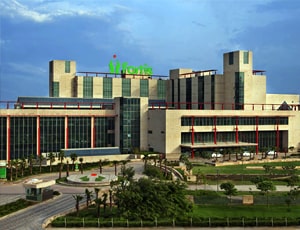
Gurgaon, India
Fortis Memorial Research Institute is a trusted healthcare provider for Genitourinary Reconstruction, offering complex urinary and genital reconstruction supported by experienced reconstructive urologists, urologic surgeons, plastic surgeons when required, radiologists, anesthesiologists, and multidisciplinary teams. Established in 2013, the JCI, NABH, NABL accredited hospital is situated in Gurgaon, India and has 311 beds.
Genitourinary Reconstruction aims to restore urinary function, anatomical integrity, and, when applicable, sexual or reproductive function. Depending on the condition, reconstruction may include urethroplasty, ureteral reconstruction, bladder repair, urinary diversion, or repair of genital structures. The surgical plan is individualized according to the extent of tissue damage, previous operations, blood supply, infection status, and overall health.
Medicana Avcilar provides specialised Genitourinary Reconstruction with a focus on anatomical restoration, preservation or improvement of urinary function, precise tissue reconstruction, and individualized postoperative management. Established in 1995, the JCI accredited hospital is located in Istanbul, Turkey and operates 63 beds, with modern reconstructive urology, endoscopy, diagnostic imaging, microsurgical, surgical, and rehabilitation infrastructure.
Genitourinary Reconstruction can provide an important treatment option for appropriately selected patients with complex urinary or genital abnormalities. Treatment planning considers the underlying condition, location and extent of tissue damage, previous surgeries, urinary function, presence of scarring or infection, and overall health. A detailed multidisciplinary assessment helps determine the most suitable reconstructive technique and whether staged surgery, temporary urinary diversion, or additional postoperative rehabilitation may be required.
Choosing Medicana Sivas Hospital for Genitourinary Reconstruction gives patients access to experienced reconstructive urologists, advanced urinary imaging and endoscopy, specialized microsurgical and tissue-reconstruction facilities, modern operating systems, and structured postoperative care. Established in 2015, the JCI accredited hospital in Sivas, Turkey has 105 beds and provides specialized care for complex genitourinary conditions.
Genitourinary Reconstruction is performed under appropriate anaesthesia, with the surgical approach determined by the specific anatomical defect and functional requirements. The surgeon repairs or reconstructs the affected urinary or genital structures using appropriate tissue and surgical techniques. Depending on the procedure, a catheter or temporary urinary drainage system may be required during healing. Postoperative monitoring may include assessment for infection, bleeding, urinary leakage, obstruction, wound-healing problems, and recurrence of the original defect.
At Acibadem University Hospital Atakent, Genitourinary Reconstruction is performed using specialized reconstructive urological techniques and comprehensive anatomical and functional assessment. Established in 2014, this JCI accredited hospital in Istanbul, Turkey has 278 beds and offers advanced urology, reconstructive surgery, minimally invasive procedures, and specialized urinary care.
Genitourinary Reconstruction may be considered for patients with urethral strictures, urinary fistulas, traumatic injuries, congenital abnormalities, urinary tract defects, or tissue loss following previous procedures. Before reconstruction, specialists may use imaging, endoscopy, urodynamic testing, laboratory investigations, and physical examination to define the affected structures and plan the repair. The procedure may involve tissue grafts, local or distant flaps, tissue rearrangement, or reconstruction using other suitable techniques.