
Please Enquire

The Transplant Services at Arab Medical Centre in Jordan provide specialised care designed to support thorough evaluation, safe surgical procedures, and long-term post-transplant recovery.
The department follows evidence-based transplant protocols tailored to each patient’s medical condition, donor compatibility, and long-term health needs. Services include pre-transplant assessment, surgical coordination, post-transplant monitoring, and lifelong immunosuppressive management. Patients receive individualised care from experienced transplant specialists who collaborate closely with multidisciplinary teams to ensure structured, well-coordinated treatment pathways.
Advanced surgical facilities, modern technology, and continuous monitoring support high standards of safety and clinical outcomes. Known for its patient-centred approach and clinical excellence, Arab Medical Centre is a trusted destination for specialised transplant care in Jordan.

Apollo Hospital Ahmedabad offers a comprehensive transplant program covering liver, heart, kidney, bone marrow, and corneal transplants in India. The hospital features committed transplant operating rooms and ICUS, which are equipped with advanced technology to ensure optimal care. With a team of experienced surgeons and specialists, including haematologists for bone marrow transplants, the hospital provides expert care for complex cases. Apollo Hospitals Ahmedabad has performed over 150 solid organ transplants, including kidney and liver procedures. Additionally, the hospital has completed at least 20 stem cell transplants.
Apollo Hospitals Ahmedabad is accredited by JCI, NABH, and NABL, reflecting its adherence to international healthcare and laboratory standards. These accreditations ensure high-quality patient care and reliable diagnostic services.
.

The Transplant Department at Manipal Hospital, Gurugram, in India, offer organ transplant operations, including kidney, liver, heart, lung, pancreas, and intestine transplants. It involves evaluating recipients, cross-matching possible donors (living or cadaveric), and performing complex surgeries followed by lifelong immunosuppressive therapy to prevent rejection. Continuous care is facilitated through a multidisciplinary approach that includes transplant surgeons, hepatologists, nephrologists, immunologists, and coordinators in India.
Every type of transplant has particular eligibility criteria, which include intensive pre-surgical investigations, counselling, and nutrition. Post-transplant monitoring is necessary to detect complications like organ rejection, infection, and drug side effects. Technologies like robotic surgery, desensitisation plans, and organ preservation have improved success rates.

Transplant teams at Manipal Hospitals Goa in India are skilled in replacing failing or damaged organs with donor organs. The most common organ transplants are kidney, liver, heart, lung, pancreas, and bone marrow transplants. These intricate procedures require extensive evaluation, matching, and extended post-op care. Multidisciplinary teams of surgeons, physicians, immunologists, and support staff coordinate the surgical procedure and the lifetime care afterwards.
Immunosuppressants are used to forestall rejection, and routine monitoring is continued to diagnose complications early. Pre-transplant evaluation tests the organ's function, infection, and match. Transplant procedures provide life-saving therapy for patients with end-stage organ dysfunction, with improved survival and quality of life.
Please Enquire

Metro Hospital in Noida offers advanced transplant services, including kidney, liver, heart, and bone marrow transplants. The hospital’s Nephrology and Renal Transplant department boasts a success rate exceeding 95%, supported by a skilled multidisciplinary team. It also has a specialised Heart Transplant Clinic, with over 300 successful heart and lung transplants, including India’s first post-COVID dual lung transplant. Liver transplant services are among the region's best, and bone marrow transplants are also available. With cutting-edge technology and experienced specialists, Metro Hospital is a leading center for organ transplants, delivering high-quality, comprehensive care to patients across India.
Metro Hospital in Noida is accredited by NABH and NABL, ensuring the delivery of high-quality healthcare and laboratory services.

Sharda Hospital offers an extensive transplant program covering liver, heart, kidney, bone marrow, and corneal transplants in India. The hospital features dedicated transplant operating rooms and ICUS, equipped with advanced technology to ensure optimal care. With a team of experienced surgeons and specialists, including haematologists for bone marrow transplants, the hospital provides expert care for complex cases. Highlighting patient-centric and affordable care, Sharda Hospital delivers high-quality treatment outcomes.
Sharda Hospital in Greater Noida is accredited by NABH and NABL, ensuring high-quality hospital services and laboratory standards.

Transplant teams at Fortis Hospital Mohali in India are skilled in replacing failing or damaged organs with donor organs. The most common organ transplants are kidney, liver, heart, lung, pancreas, and bone marrow transplants. These intricate procedures require extensive evaluation, matching, and extended post-op care. Multidisciplinary teams of surgeons, physicians, immunologists, and support staff coordinate the surgical procedure and the lifetime care afterwards.
Immunosuppressants are used to forestall rejection, and routine monitoring is continued to diagnose complications early. Pre-transplant evaluation tests the organ's function, infection, and match. Transplant procedures provide life-saving therapy for patients with end-stage organ dysfunction, with improved survival and quality of life.

Fortis Flt. Lt. Rajan Dhall Hospital
Delhi, India
Please Enquire

The Transplant Department at Medeor Hospital in India coordinates organ transplant operations, including kidney, liver, heart, lung, pancreas, and intestine transplants. It involves evaluating recipients, cross-matching possible donors (living or cadaveric), and performing complex surgeries followed by lifelong immunosuppressive therapy to prevent rejection.
Continuous care is facilitated through a multidisciplinary approach that includes transplant surgeons, hepatologists, nephrologists, immunologists, and coordinators. Every type of transplant has particular eligibility criteria, which include intensive pre-surgical investigations, counselling, and nutrition in India. Post-transplant monitoring is necessary to detect complications like organ rejection, infection, and side effects.

The Transplant Department at the Asian Institute of Medical Sciences in India coordinates organ transplant operations, including kidney, liver, heart, lung, pancreas, and intestine transplants. It involves evaluating recipients, cross-matching possible donors (living or cadaveric), and performing complex surgeries followed by lifelong immunosuppressive therapy to prevent rejection.
Continuous care is facilitated through a multidisciplinary approach that includes transplant surgeons, hepatologists, nephrologists, immunologists, and coordinators. Every type of transplant has particular eligibility criteria, which include intensive pre-surgical investigations, counselling, and nutrition in India. Post-transplant monitoring is necessary to detect complications like organ rejection, infection, and side effects.

Fortis Hospital Mulund, located in Mumbai, India, stands out as a premier destination for multi-organ transplants and is recognised as the largest transplant facility in Maharashtra. The hospital offers a comprehensive range of services for kidney, liver, heart, and bone marrow transplants, providing top-notch care for both adults and children. With a skilled team of specialists and cutting-edge technology, Fortis Hospital Mulund crafts personalised treatment plans that cater to the unique needs of each patient. The hospital's dedication to excellence is evident in its numerous successful transplant surgeries and its significant contributions to the field of transplant medicine in India.
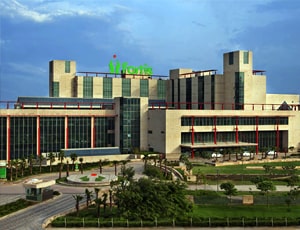
Fortis Memorial Research Institute
Gurgaon, India
Please Enquire


Bayindir HealthCare Group’s world-class ENT & Cochlear Implant Centre in Turkey offers all-around ENT (ear, nose, and throat) care. The unit provides a range of therapies like endoscopic sinus surgery, tympanoplasty, cochlear implantation, and septoplasty, among others, apart from diagnostic procedures like audiometry and endoscopy. The hospital is also well-versed in respiratory problems during sleep, voice disorders, and head and neck operations. Bayinder Healthcare Group promises excellent treatment of all types of ENT disorders in Turkey through advanced technology and a team of competent professionals.


