Browse verified doctors or let our care team help you find the doctor best suited to your condition, treatment goals, and budget.

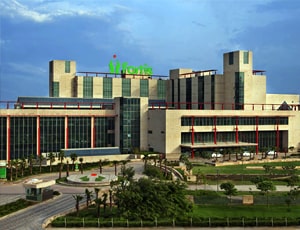
Fortis Hospital is a trusted healthcare provider for Congenital Limb Defects Surgery, offering specialized pediatric orthopedic care supported by experienced surgeons and modern medical infrastructure. Established in 2006, the JCI, NABH hospital is situated in Mohali, India and has 276 beds.
Congenital Limb Defects can affect the development, alignment, length, or function of a child's limbs and may vary considerably in severity. Surgical treatment is planned according to the specific defect, the child's age, growth potential, and functional needs. Depending on the condition, procedures may include limb reconstruction, deformity correction, bone lengthening, tendon or joint surgery, and other reconstructive approaches. Preoperative imaging and regular follow-up help guide treatment as the child grows.
Delhi, India
Choosing Fortis Flt. Lt. Rajan Dhall Hospital for Congenital Limb Defects Surgery gives patients access to experienced pediatric orthopedic surgeons, advanced imaging technology, and multidisciplinary rehabilitation services. Established in 2006, the NABH hospital in Delhi, India has 162 beds and provides specialised orthopedic care.
Congenital Limb Defects Surgery may be recommended when a limb abnormality significantly affects a child's mobility, balance, growth, or ability to perform daily activities. Depending on the nature of the defect, treatment may involve reconstructive surgery, correction of bone or joint deformities, limb lengthening, or soft-tissue reconstruction. Doctors generally perform a detailed physical assessment and imaging before surgery to develop an individualised treatment plan. Physiotherapy and rehabilitation help support functional recovery.
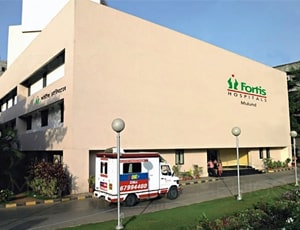
At Fortis Hospital, Mulund, Congenital Limb Defects Surgery is performed using advanced pediatric orthopedic and reconstructive techniques with treatment plans tailored to each child's condition. Established in 2002, this JCI, NABH hospital in Mumbai, India has 315 beds and provides comprehensive pediatric healthcare services.
Congenital Limb Defects Surgery may be considered for children with limb abnormalities present at birth, including differences in limb length, missing or underdeveloped bones, joint deformities, or abnormal positioning. Depending on the condition, surgery may involve bone reconstruction, limb lengthening, joint correction, or soft-tissue procedures. Detailed clinical assessment and imaging help doctors understand the anatomy and plan treatment. Rehabilitation following surgery can support improved movement and functional development.
Choosing Manipal Hospital, Hebbal for Congenital Limb Defects Surgery gives patients access to experienced pediatric orthopedic surgeons, advanced imaging technology, and multidisciplinary rehabilitation services. Established in 1991, the NABL, NABH hospital in Bangalore, India has 280 beds and provides specialised orthopedic care.
Congenital Limb Defects Surgery may be recommended when a limb abnormality significantly affects a child's mobility, balance, growth, or ability to perform daily activities. Depending on the nature of the defect, treatment may involve reconstructive surgery, correction of bone or joint deformities, limb lengthening, or soft-tissue reconstruction. Doctors generally perform a detailed physical assessment and imaging before surgery to develop an individualised treatment plan. Physiotherapy and rehabilitation help support functional recovery.
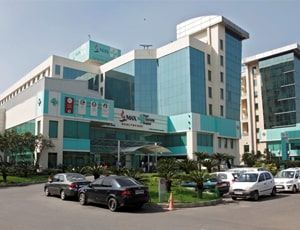
Max Super Speciality Hospital, Saket is a trusted healthcare provider for Congenital Limb Defects Surgery, offering specialized pediatric orthopedic care supported by experienced surgeons and modern medical infrastructure. Established in 2006, the JCI, NABH hospital is situated in Delhi, India and has 539 beds.
Congenital Limb Defects can affect the development, alignment, length, or function of a child's limbs and may vary considerably in severity. Surgical treatment is planned according to the specific defect, the child's age, growth potential, and functional needs. Depending on the condition, procedures may include limb reconstruction, deformity correction, bone lengthening, tendon or joint surgery, and other reconstructive approaches. Preoperative imaging and regular follow-up help guide treatment as the child grows.
At Bayindir Healthcare Group, Congenital Limb Defects Surgery is performed using advanced pediatric orthopedic and reconstructive techniques with treatment plans tailored to each child's condition. Established in 1992, this JCI hospital in Ankara, Turkey has 153 beds and provides comprehensive pediatric healthcare services.
Congenital Limb Defects Surgery may be considered for children with limb abnormalities present at birth, including differences in limb length, missing or underdeveloped bones, joint deformities, or abnormal positioning. Depending on the condition, surgery may involve bone reconstruction, limb lengthening, joint correction, or soft-tissue procedures. Detailed clinical assessment and imaging help doctors understand the anatomy and plan treatment. Rehabilitation following surgery can support improved movement and functional development.
Gurgaon, India
At Fortis Memorial Research Institute, Congenital Limb Defects Surgery is performed using advanced pediatric orthopedic and reconstructive techniques with treatment plans tailored to each child's condition. Established in 2013, this JCI, NABH, NABL hospital in Gurgaon, India has 311 beds and provides comprehensive pediatric healthcare services.
Congenital Limb Defects Surgery may be considered for children with limb abnormalities present at birth, including differences in limb length, missing or underdeveloped bones, joint deformities, or abnormal positioning. Depending on the condition, surgery may involve bone reconstruction, limb lengthening, joint correction, or soft-tissue procedures. Detailed clinical assessment and imaging help doctors understand the anatomy and plan treatment. Rehabilitation following surgery can support improved movement and functional development.
Choosing Medicana Avcilar for Congenital Limb Defects Surgery gives patients access to experienced pediatric orthopedic surgeons, advanced imaging technology, and multidisciplinary rehabilitation services. Established in 1995, the JCI hospital in Istanbul, Turkey has 63 beds and provides specialised orthopedic care.
Congenital Limb Defects Surgery may be recommended when a limb abnormality significantly affects a child's mobility, balance, growth, or ability to perform daily activities. Depending on the nature of the defect, treatment may involve reconstructive surgery, correction of bone or joint deformities, limb lengthening, or soft-tissue reconstruction. Doctors generally perform a detailed physical assessment and imaging before surgery to develop an individualised treatment plan. Physiotherapy and rehabilitation help support functional recovery.
At Acibadem University Hospital Atakent, Congenital Limb Defects Surgery is performed using advanced pediatric orthopedic and reconstructive techniques with treatment plans tailored to each child's condition. Established in 2014, this JCI hospital in Istanbul, Turkey has 278 beds and provides comprehensive pediatric healthcare services.
Congenital Limb Defects Surgery may be considered for children with limb abnormalities present at birth, including differences in limb length, missing or underdeveloped bones, joint deformities, or abnormal positioning. Depending on the condition, surgery may involve bone reconstruction, limb lengthening, joint correction, or soft-tissue procedures. Detailed clinical assessment and imaging help doctors understand the anatomy and plan treatment. Rehabilitation following surgery can support improved movement and functional development.
Choosing Iranian Hospital for Congenital Limb Defects Surgery gives patients access to experienced pediatric orthopedic surgeons, advanced imaging technology, and multidisciplinary rehabilitation services. Established in 1970, the hospital in Dubai, United Arab Emirates has 220 beds and provides specialised orthopedic care.
Congenital Limb Defects Surgery may be recommended when a limb abnormality significantly affects a child's mobility, balance, growth, or ability to perform daily activities. Depending on the nature of the defect, treatment may involve reconstructive surgery, correction of bone or joint deformities, limb lengthening, or soft-tissue reconstruction. Doctors generally perform a detailed physical assessment and imaging before surgery to develop an individualised treatment plan. Physiotherapy and rehabilitation help support functional recovery.
Istinye University Bahcesehir - LIV Hospital is a trusted healthcare provider for Congenital Limb Defects Surgery, offering specialized pediatric orthopedic care supported by experienced surgeons and modern medical infrastructure. Established in 2016, the ISO, JCI hospital is situated in Istanbul, Turkey and has 394 beds.
Congenital Limb Defects can affect the development, alignment, length, or function of a child's limbs and may vary considerably in severity. Surgical treatment is planned according to the specific defect, the child's age, growth potential, and functional needs. Depending on the condition, procedures may include limb reconstruction, deformity correction, bone lengthening, tendon or joint surgery, and other reconstructive approaches. Preoperative imaging and regular follow-up help guide treatment as the child grows.
KCM Clinic is a trusted healthcare provider for Congenital Limb Defects Surgery, offering specialized pediatric orthopedic care supported by experienced surgeons and modern medical infrastructure. Established in 2006, the ISO hospital is situated in Jelenia Gora, Poland and has 85 beds.
Congenital Limb Defects can affect the development, alignment, length, or function of a child's limbs and may vary considerably in severity. Surgical treatment is planned according to the specific defect, the child's age, growth potential, and functional needs. Depending on the condition, procedures may include limb reconstruction, deformity correction, bone lengthening, tendon or joint surgery, and other reconstructive approaches. Preoperative imaging and regular follow-up help guide treatment as the child grows.
VPS Rockland Hospital provides specialised Congenital Limb Defects Surgery with a focus on individualised treatment, surgical precision, and long-term functional development. Established in 2013, the NABH, NABL hospital is located in Gurgaon, India and operates 345 beds with modern pediatric orthopedic infrastructure.
Congenital Limb Defects Surgery aims to improve limb alignment, stability, length, and function while supporting the child's development and mobility. Depending on the specific congenital condition, treatment may include bone reconstruction, limb lengthening, joint stabilisation, deformity correction, tendon procedures, or other reconstructive surgery. Comprehensive evaluation, including physical examination and imaging, helps determine the appropriate surgical approach. Long-term follow-up and rehabilitation may be required to monitor growth and maintain functional outcomes.
Choosing Life Kingsbury Hospital for Congenital Limb Defects Surgery gives patients access to experienced pediatric orthopedic surgeons, advanced imaging technology, and multidisciplinary rehabilitation services. Established in 1918, the hospital in Cape Town, South Africa has 212 beds and provides specialised orthopedic care.
Congenital Limb Defects Surgery may be recommended when a limb abnormality significantly affects a child's mobility, balance, growth, or ability to perform daily activities. Depending on the nature of the defect, treatment may involve reconstructive surgery, correction of bone or joint deformities, limb lengthening, or soft-tissue reconstruction. Doctors generally perform a detailed physical assessment and imaging before surgery to develop an individualised treatment plan. Physiotherapy and rehabilitation help support functional recovery.
Johannesburg, South Africa
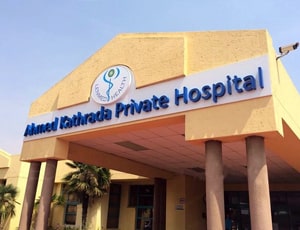
Choosing Lenmed Ahmed Kathrada Private Hospital for Congenital Limb Defects Surgery gives patients access to experienced pediatric orthopedic surgeons, advanced imaging technology, and multidisciplinary rehabilitation services. Established in 1984, the COHSASA, ISQua hospital in Johannesburg, South Africa has 254 beds and provides specialised orthopedic care.
Congenital Limb Defects Surgery may be recommended when a limb abnormality significantly affects a child's mobility, balance, growth, or ability to perform daily activities. Depending on the nature of the defect, treatment may involve reconstructive surgery, correction of bone or joint deformities, limb lengthening, or soft-tissue reconstruction. Doctors generally perform a detailed physical assessment and imaging before surgery to develop an individualised treatment plan. Physiotherapy and rehabilitation help support functional recovery.