237 Hospitals

Burjeel Medical City
Abu Dhabi, United Arab Emirates
Number of Beds: 350
Year of Establishment: 2017
Average
Average
Awards
- Best Medical Tourism Hospital, 2020, Haute Grandeur Global Excellence Awards: This award recognized Burjeel Medical City's exceptional medical tourism services and commitment to providing high-quality medical care to international patients.
- Best Hospital Building Design, 2020, Healthcare Asia Awards: Burjeel Medical City received this award for its innovative hospital building design.
- Best Medical Tourism Hospital, 2020, Arab Health Awards: This award recognized Burjeel Medical City's efforts in providing quality medical care to international patients.
- Best Neurology and Neurosurgery Hospital in UAE, 2019, Global Health & Pharma (GHP) Awards: This award recognized Burjeel Medical City as the best hospital in UAE for neurology and neurosurgery.
- Best Hospital Brand of the Year, 2019, Global Brands Magazine Awards: This award recognized Burjeel Medical City as the best hospital brand of the year for its commitment to providing high-quality medical care.
- Accreditation

Please Enquire

MALI Interdisciplinary Hospital
Bangkok, Thailand
Number of Beds: 100
Year of Establishment: 2021
Average
Average
Awards
- Best Private Hospital in Turkey for Cardiovascular Surgery, 2019, Stevie Awards: This award recognized Mali Interdisciplinary Hospital for its exceptional cardiovascular surgery services.
- Best Private Hospital in Turkey for Orthopedics, 2019, Stevie Awards: This award recognized Mali Interdisciplinary Hospital for its outstanding orthopedics services.
- Best Private Hospital in Turkey for Plastic Surgery, 2020, Stevie Awards: Mali Interdisciplinary Hospital received this award for its exceptional plastic surgery services.
- Best Private Hospital in Turkey for General Surgery, 2020, Stevie Awards: This award recognized Mali Interdisciplinary Hospital for its outstanding general surgery services.
- Best Private Hospital in Turkey for Obstetrics and Gynecology, 2020, Stevie Awards: This award recognized Mali Interdisciplinary Hospital for its exceptional obstetrics and gynecology services.
- Accreditation


Average
Awards
- Excellence in Multispecialty Care Award – Recognized for comprehensive services across disciplines
- Innovation in Healthcare Technology Award – Adoption of cutting-edge medical technology in diagnostics and treatment
- Patient Safety & Quality Care Award – Commitment to international standards in safety and quality
- Community Health Initiative Award – For outreach and preventive health programs in Delhi NCR
- Center of Excellence Recognition – In cardiology, oncology, and nephrology
- Accreditation

Average
Awards
- The hospital has received the Best Patient Safety Award for its strict adherence to international safety protocols and commitment to quality healthcare delivery.
- It has been honoured as the Best Multispecialty Hospital in Maharashtra, recognising its contribution to advanced medical services and multidisciplinary expertise.
- Fortis Hiranandani Hospital was awarded the Best Hospital in Navi Mumbai for delivering consistent patient satisfaction and clinical excellence in the region.
- The hospital has won multiple Fortis Sparkle Awards for maintaining high standards of hospital hygiene, 5S workplace organisation and low hospital-acquired infection rates.
- It has been conferred with the National Energy Conservation Award by the President of India for implementing energy-efficient infrastructure and sustainable healthcare practices.
- The hospital’s clinical and nursing teams have received recognition for excellence in emergency care and critical care management at various healthcare forums.
- Accreditation

Average
Awards
- Fortis Hospital, Shalimar Bagh, has been widely recognised for its excellence in healthcare and patient care across multiple specialities.
- In 2024, the hospital received the AHPI Excellence in Nursing Practice Award, honouring its superior nursing practices and significant contributions to patient care.
- It was ranked as the #1 Multi-Speciality Hospital in Delhi and as the #3 Hospital in North India by the Outlook Best Hospital Rankings 2024.
- Fortis Shalimar Bagh was also recognised as #1 in Cardiology and #2 in Oncology by the same rankings.
- Additionally, the hospital has been named a Top OBGYN Hospital in Delhi by ET Times and Radio City, reflecting its commitment to high-quality, patient-centred care across various medical.
- Accreditation
Please Enquire
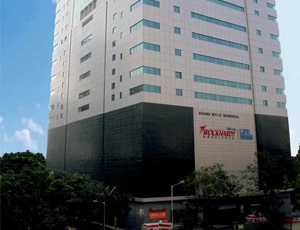
Wockhardt Hospital - A new Age Hospital
Mumbai, India
Number of Beds: 350
Year of Establishment: 2014
Average
Average
Awards
- The Economic Times Best Healthcare Brands 2021: The hospital was awarded in the category of Best Hospital, Multi-Specialty for its excellence in patient care and clinical outcomes.
- National Quality Excellence Award (2019): The hospital was recognized for its commitment to quality healthcare services and its focus on patient safety.
- Healthcare Excellence Award for Operational Excellence in Quality and Safety by Express Healthcare Awards (2017): The hospital was awarded for its commitment to excellence in quality and patient safety.
- Asia Healthcare Excellence Award for Best Patient Experience by CMO Asia Awards (2016): This award was presented to the hospital for its focus on enhancing the patient experience and providing exceptional healthcare services.
- Best Multispecialty Hospital in Maharashtra by Times Health Icons Award (2016): The hospital received this award for its exceptional services and advanced medical technologies.
- Accreditation


Average
Awards
- The Excellence in Patient Care Award: Exceptional patient care, including quality of care, patient satisfaction, and patient safety.
- The Innovations in Healthcare Award: Innovative approach to healthcare, including the use of advanced technologies and cutting-edge medical procedures.
- The Patient Safety Award: Unwavering commitment to patient safety, including the use of rigorous safety protocols and procedures.
- The Community Outreach Award: Dedication to improving the health and wellbeing of its local community through outreach programs and initiatives.
- The Center of Excellence Award: Leading center of excellence for specialized medical treatments and services.
- Accreditation

Sri Ramachandra Medical Centre
Chennai, India
Number of Beds: 1800
Year of Establishment: 1985
Average
Average
Awards
- Best Hospital in India for Medical Tourism Award (2020): This award recognizes Sri Ramachandra Medical Centre as the top hospital in India for medical tourism, based on patient satisfaction, clinical care, and advanced medical technology.
- NABH Accreditation Award (2019): This accreditation recognizes Sri Ramachandra Medical Centre's high standards of patient care, safety, and quality management.
- Best Multi-speciality Hospital in Tamil Nadu Award (2018): This award recognizes Sri Ramachandra Medical Centre as the best multi-speciality hospital in Tamil Nadu, India, based on patient satisfaction, clinical care, and advanced medical technology.
- Best Private Hospital in India Award (2017): This award acknowledges Sri Ramachandra Medical Centre's exceptional patient care and medical technology in India.
- Best Hospital in Chennai Award (2016): This award recognizes Sri Ramachandra Medical Centre as the top hospital in Chennai, India, based on patient satisfaction, clinical care, and advanced medical technology.
- Accreditation

Max Smart Super Speciality Hospital
Delhi, India
Number of Beds: 250
Year of Establishment: 2012
Average
Average
Awards
- Max Super Speciality Hospital, Saket, received the India Today Healthgiri Award for Best Private Hospital Combating COVID-19 for its exceptional pandemic response and patient care services.
- The hospital was honoured with the FICCI Healthcare Excellence Award for Excellence in Hospital Preparedness for COVID-19 for demonstrating strong medical readiness and safety measures during the crisis.
- Max Super Speciality Hospital, Saket, earned the FICCI Award for Operational Excellence in Healthcare Delivery (2015) for its efficient clinical operations and high-quality healthcare services.
- The hospital was also recognised by FICCI for its initiatives in enhancing customer experience and patient safety, reflecting its commitment to patient-centric care.
- The Surgical Review Corporation (SRC), USA, awarded the hospital Centre of Excellence for Bariatric Surgery (2016) for maintaining international standards in surgical outcomes and safety.
- The Max Institute of Minimal Access, Metabolic & Bariatric Surgery (MAMBS) at the hospital was recognised as a Centre of Excellence in Metabolic and Bariatric Surgery for clinical expertise and surgical innovation.
- The hospital received the India’s Most Trusted Healthcare Award (2019) for Pulmonary and Critical Care Specialist of the Year, recognising its expertise in treating complex respiratory and critical illnesses.
- Max Smart Super Speciality Hospital, Saket, was awarded Best Hospital for Mother & Child Care (North India) by ET Healthworld Hospital Awards for its excellence in maternity and neonatal services.
- Accreditation
Please Enquire

Average
Awards
- Joint Commission International (JCI) Accreditation - recognition for meeting international healthcare standards
- Best Hospital Award for Quality and Safety, 2017 - recognition for the hospital's excellence in patient safety and care
- Baby Friendly Hospital - recognition for its commitment to providing excellent maternity and newborn care
- European Foundation for Quality Management (EFQM) - recognized for its commitment to quality and continuous improvement
- The Most Awarded Healthcare Brand in Turkey 2021 - recognition for its excellence in healthcare services
- Accreditation

Apollo Hospital International Limited
Istanbul, Turkey
Number of Beds: 300
Year of Establishment: 2003
Average
Average
Awards
- Joint Commission International (JCI) Accreditation - recognition for meeting international healthcare standards
- ISO 9001:2015 Quality Management System Certificate - recognition for its adherence to international quality management standards
- American Heart Association Accreditation - recognition for its commitment to providing excellent cardiac care
- Baby Friendly Hospital - recognition for its commitment to providing excellent maternity and newborn care
- Medical Tourism Hospital of the Year 2018 - recognition for its excellence in medical tourism services
- Accreditation

Tel Aviv Sourasky Medical Center -Ichilov Hospital
Tel Aviv, Israel
Number of Beds: 1500
Year of Establishment: 1963
Average
Average
Awards
- JCI Accreditation - recognition for meeting international healthcare standards.
- Forbes Magazine 5-Star Hospital 2021 - recognized for its high-quality medical services.
- Newsweek's World's Best Hospitals 2021 - recognized as one of the best hospitals in the world.
- National Quality Indicator for Hospital Safety 2020 - recognition for the hospital's excellence in patient safety.
- Baby Friendly Hospital Initiative (BFHI) Accreditation - recognition for the hospital's support for breastfeeding and mother-baby bonding.
- Accreditation
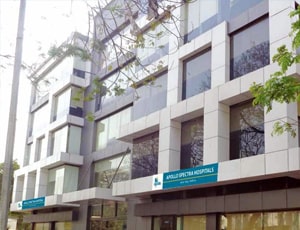
Average
Awards
- The Center of Excellence Award: Leading center of excellence for specialized medical treatments and services.
- The Patient Safety Award: Unwavering commitment to patient safety, including the use of rigorous safety protocols and procedures.
- The Clinical Excellence Award: Exceptional clinical care, including its skilled medical professionals and state-of-the-art medical facilities.
- Accreditation
Please Enquire

Average
Awards
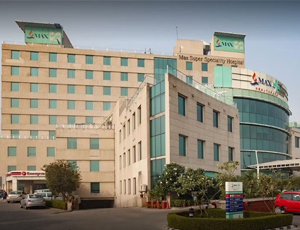
Max Super Specialty Hospital, Shalimar Bagh
Delhi, India
Number of Beds: 402
Year of Establishment: 2011
Average
Average
Awards
- NABH Accreditation - Recognized for meeting the highest standards of medical care and patient safety in India
- FICCI Healthcare Excellence Award 2015 - Awarded for the hospital's excellence in healthcare services and patient satisfaction
- Best Patient Safety Initiative Award 2018 - Recognized for the hospital's commitment to patient safety and quality of care
- Best Multispecialty Hospital in Delhi NCR - Global Healthcare Excellence Awards 2013 - Awarded for the hospital's exceptional performance in providing high-quality medical care and services
- Best Hospital Brand in North India - The Economic Times Best Hospital Brand Survey 2016 - Recognized for the hospital's exceptional performance in providing high-quality medical care and services
- Accreditation
Ask your healthcare adviser for the best multiple options and choose the one that meets your expectations
Request for an Expert Opinion
