Browse verified doctors or let our care team help you find the doctor best suited to your condition, treatment goals, and budget.

With advanced orthopaedic infrastructure, Fortis Hospital offers Arthroscopic (Minimally Invasive) Ankle Surgery for eligible patients with persistent ankle problems. Established in 2001, the NABH, NABL, JCI accredited hospital is located in Bangalore, India, and has 375 beds.
The procedure may be recommended for ankle impingement, cartilage injuries, loose bodies, synovitis, or selected ligament and joint conditions. Through small portals, the surgeon uses an arthroscope and specialised instruments to diagnose and treat the affected structures. Pre-operative imaging and assessment of ankle stability and function help determine the most suitable approach.
Faridabad, India
With advanced orthopaedic infrastructure, Sarvodaya Hospital and Research Centre offers Arthroscopic (Minimally Invasive) Ankle Surgery for eligible patients with persistent ankle problems. Established in 1997, the NABH, NABL accredited hospital is located in Faridabad, India, and has 500 beds.
The procedure may be recommended for ankle impingement, cartilage injuries, loose bodies, synovitis, or selected ligament and joint conditions. Through small portals, the surgeon uses an arthroscope and specialised instruments to diagnose and treat the affected structures. Pre-operative imaging and assessment of ankle stability and function help determine the most suitable approach.
Medipol Mega University Hospital provides Arthroscopic Ankle Surgery using contemporary minimally invasive technology and evidence-based orthopaedic care. Founded in 2012, the JCI accredited hospital is based in Istanbul, Turkey, with 810 beds and services for domestic and international patients.
During the procedure, a small arthroscope is inserted into the ankle joint to provide a clear view of the internal structures. Specialised instruments can then be used to remove damaged tissue, treat cartilage lesions, or address mechanical problems. Before surgery, the specialist reviews symptoms, physical findings, and imaging to determine whether arthroscopy is appropriate.
At Fortis Hospital, patients can access Minimally Invasive Ankle Arthroscopy supported by modern surgical facilities and experienced orthopaedic specialists. Established in 2011, the NABH, NABL accredited hospital is located in Kolkata, India, and has 400 beds.
Ankle arthroscopy allows surgeons to examine the joint through small incisions rather than a large surgical opening. Depending on the condition, the procedure may involve removing loose tissue, treating cartilage damage, addressing impingement, or repairing selected ligament problems. A detailed clinical and imaging assessment helps guide treatment planning.
Medicover Hungary offers advanced Arthroscopic (Minimally Invasive) Ankle Surgery using modern orthopaedic techniques and internationally accepted treatment protocols. Established in 2015, the ISO accredited hospital is located in Budapest, Hungary, with 30 beds, providing specialised ankle care for local and international patients.
Ankle arthroscopy uses a small camera and specialised instruments inserted through tiny incisions to diagnose and treat problems inside the ankle joint. It may be used for cartilage damage, ankle impingement, loose bodies, ligament injuries, or certain arthritis-related conditions. The surgeon evaluates imaging, symptoms, and joint function to determine the appropriate procedure.
Quironsalud Torrevieja Hospital offers advanced Arthroscopic (Minimally Invasive) Ankle Surgery using modern orthopaedic techniques and internationally accepted treatment protocols. Established in 2006, the ISO accredited hospital is located in Torrevieja, Spain, with 119 beds, providing specialised ankle care for local and international patients.
Ankle arthroscopy uses a small camera and specialised instruments inserted through tiny incisions to diagnose and treat problems inside the ankle joint. It may be used for cartilage damage, ankle impingement, loose bodies, ligament injuries, or certain arthritis-related conditions. The surgeon evaluates imaging, symptoms, and joint function to determine the appropriate procedure.
With advanced orthopaedic infrastructure, Medical Park Canakkale Hospital offers Arthroscopic (Minimally Invasive) Ankle Surgery for eligible patients with persistent ankle problems. Established in 2017, the ISO, JCI accredited hospital is located in Canakkale, Turkey, and has 92 beds.
The procedure may be recommended for ankle impingement, cartilage injuries, loose bodies, synovitis, or selected ligament and joint conditions. Through small portals, the surgeon uses an arthroscope and specialised instruments to diagnose and treat the affected structures. Pre-operative imaging and assessment of ankle stability and function help determine the most suitable approach.
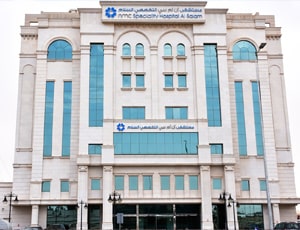
NMC Specialty Hospital Al Salam offers specialised Arthroscopic Ankle Surgery using modern minimally invasive surgical technology and established orthopaedic treatment protocols. Established in 1999, the CBAHI accredited hospital is situated in Riyadh, Saudi Arabia, with 100 beds, serving local and international patients.
Ankle arthroscopy can help diagnose and treat joint damage while limiting disruption to surrounding tissues. Depending on the patient's condition, the surgeon may remove loose fragments, treat damaged cartilage, clear inflamed tissue, or address impingement. Before treatment, the orthopaedic specialist evaluates the ankle through clinical examination and imaging to develop an individualised surgical plan.
Medical Park Fatih Hospital offers specialised Arthroscopic Ankle Surgery using modern minimally invasive surgical technology and established orthopaedic treatment protocols. Established in 2007, the JCI accredited hospital is situated in Istanbul, Turkey, with 246 beds, serving local and international patients.
Ankle arthroscopy can help diagnose and treat joint damage while limiting disruption to surrounding tissues. Depending on the patient's condition, the surgeon may remove loose fragments, treat damaged cartilage, clear inflamed tissue, or address impingement. Before treatment, the orthopaedic specialist evaluates the ankle through clinical examination and imaging to develop an individualised surgical plan.
University Hospital Quironsalud Madrid offers specialised Arthroscopic Ankle Surgery using modern minimally invasive surgical technology and established orthopaedic treatment protocols. Established in 2006, the ISO, JCI accredited hospital is situated in Madrid, Spain, with 575 beds, serving local and international patients.
Ankle arthroscopy can help diagnose and treat joint damage while limiting disruption to surrounding tissues. Depending on the patient's condition, the surgeon may remove loose fragments, treat damaged cartilage, clear inflamed tissue, or address impingement. Before treatment, the orthopaedic specialist evaluates the ankle through clinical examination and imaging to develop an individualised surgical plan.
Istanbul, Turkey
Medical Park Bahcelievler Hospital provides Arthroscopic Ankle Surgery using contemporary minimally invasive technology and evidence-based orthopaedic care. Founded in 2015, the JCI accredited hospital is based in Istanbul, Turkey, with 242 beds and services for domestic and international patients.
During the procedure, a small arthroscope is inserted into the ankle joint to provide a clear view of the internal structures. Specialised instruments can then be used to remove damaged tissue, treat cartilage lesions, or address mechanical problems. Before surgery, the specialist reviews symptoms, physical findings, and imaging to determine whether arthroscopy is appropriate.
With advanced orthopaedic infrastructure, Dexeus University Hospital offers Arthroscopic (Minimally Invasive) Ankle Surgery for eligible patients with persistent ankle problems. Established in 1973, the JCI accredited hospital is located in Barcelona, Spain, and has 200 beds.
The procedure may be recommended for ankle impingement, cartilage injuries, loose bodies, synovitis, or selected ligament and joint conditions. Through small portals, the surgeon uses an arthroscope and specialised instruments to diagnose and treat the affected structures. Pre-operative imaging and assessment of ankle stability and function help determine the most suitable approach.
Medstar Antalya Hospital offers specialised Arthroscopic Ankle Surgery using modern minimally invasive surgical technology and established orthopaedic treatment protocols. Established in 2009, the JCI accredited hospital is situated in Ankara, Turkey, with 124 beds, serving local and international patients.
Ankle arthroscopy can help diagnose and treat joint damage while limiting disruption to surrounding tissues. Depending on the patient's condition, the surgeon may remove loose fragments, treat damaged cartilage, clear inflamed tissue, or address impingement. Before treatment, the orthopaedic specialist evaluates the ankle through clinical examination and imaging to develop an individualised surgical plan.
Vinmec Can Tho Hospital offers specialised Arthroscopic Ankle Surgery using modern minimally invasive surgical technology and established orthopaedic treatment protocols. Established in 2016, the JCI accredited hospital is situated in Can Tho, Vietnam, with 155 beds, serving local and international patients.
Ankle arthroscopy can help diagnose and treat joint damage while limiting disruption to surrounding tissues. Depending on the patient's condition, the surgeon may remove loose fragments, treat damaged cartilage, clear inflamed tissue, or address impingement. Before treatment, the orthopaedic specialist evaluates the ankle through clinical examination and imaging to develop an individualised surgical plan.
At Batra Hospital, patients can access Minimally Invasive Ankle Arthroscopy supported by modern surgical facilities and experienced orthopaedic specialists. Established in 1987, the NABH accredited hospital is located in Delhi, India, and has 495 beds.
Ankle arthroscopy allows surgeons to examine the joint through small incisions rather than a large surgical opening. Depending on the condition, the procedure may involve removing loose tissue, treating cartilage damage, addressing impingement, or repairing selected ligament problems. A detailed clinical and imaging assessment helps guide treatment planning.