Browse verified doctors or let our care team help you find the doctor best suited to your condition, treatment goals, and budget.

Apollo Hospital provides specialised Intensity-modulated radiotherapy (IMRT) with a focus on precise radiation targeting, advanced treatment planning, and individualised oncology care. Established in 1983, the JCI accredited hospital is located in Chennai, India and operates 550 beds, with modern radiation oncology and cancer-care infrastructure.
Intensity-modulated Radiotherapy (IMRT) can deliver carefully shaped radiation doses to complex tumour sites while helping limit exposure to nearby organs at risk. Treatment planning involves detailed imaging, tumour delineation, dose calculations, and verification before radiation is delivered. Depending on the cancer type and treatment objective, IMRT may be used as a primary treatment or in combination with surgery, chemotherapy, hormone therapy, or other cancer treatments. A detailed assessment helps the radiation oncology team develop the most appropriate treatment plan for the individual patient.
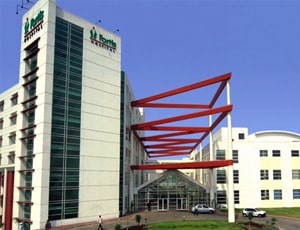
Fortis Hospital offers advanced Intensity-modulated Radiotherapy (IMRT) using modern radiation oncology techniques and individualized cancer treatment plans. Established in 2004, the NABH, NABL accredited hospital is located in Noida, India and has 400 beds, providing comprehensive cancer care for local and international patients.
Intensity-modulated Radiotherapy (IMRT) is an advanced external-beam radiation therapy technique that uses computer-controlled radiation beams of varying intensity to deliver precise doses to a tumour. The treatment is planned to maximize radiation exposure to the targeted area while limiting the dose received by nearby healthy tissues. IMRT may be used for various cancers, including tumours of the head and neck, prostate, brain, breast, and other anatomical regions.
Choosing Manipal Hospital, Yeshwantpur for Intensity-modulated radiotherapy (IMRT) gives patients access to experienced radiation oncologists, advanced treatment-planning systems, image-guided technologies, and structured supportive care. Established in 2022, the JCI, NABH, NABL accredited hospital in Bangalore, India has 250 beds and provides specialised radiation oncology services.
Intensity-modulated Radiotherapy (IMRT) is delivered over a planned course of treatment, with the number and frequency of sessions depending on the type, location, and stage of cancer, as well as the prescribed radiation dose. The patient is positioned using appropriate immobilisation or positioning aids to maintain accuracy during treatment. Each session is generally brief, although preparation and positioning may take additional time. Patients are monitored throughout treatment for side effects such as fatigue, skin changes, or effects specific to the treated area.
BGS Gleneagles Global Hospitals offers advanced Intensity-modulated Radiotherapy (IMRT) using modern radiation oncology techniques and individualized cancer treatment plans. Established in 2007, the NABH, NABL accredited hospital is located in Bangalore, India and has 500 beds, providing comprehensive cancer care for local and international patients.
Intensity-modulated Radiotherapy (IMRT) is an advanced external-beam radiation therapy technique that uses computer-controlled radiation beams of varying intensity to deliver precise doses to a tumour. The treatment is planned to maximize radiation exposure to the targeted area while limiting the dose received by nearby healthy tissues. IMRT may be used for various cancers, including tumours of the head and neck, prostate, brain, breast, and other anatomical regions.
Wockhardt Hospital, Umrao provides specialised Intensity-modulated radiotherapy (IMRT) with a focus on precise radiation targeting, advanced treatment planning, and individualised oncology care. Established in 2014, the NABH accredited hospital is located in Mumbai, India and operates 350 beds, with modern radiation oncology and cancer-care infrastructure.
Intensity-modulated Radiotherapy (IMRT) can deliver carefully shaped radiation doses to complex tumour sites while helping limit exposure to nearby organs at risk. Treatment planning involves detailed imaging, tumour delineation, dose calculations, and verification before radiation is delivered. Depending on the cancer type and treatment objective, IMRT may be used as a primary treatment or in combination with surgery, chemotherapy, hormone therapy, or other cancer treatments. A detailed assessment helps the radiation oncology team develop the most appropriate treatment plan for the individual patient.
Manipal Hospital, Dwarka provides specialised Intensity-modulated radiotherapy (IMRT) with a focus on precise radiation targeting, advanced treatment planning, and individualised oncology care. Established in 2018, the NABH accredited hospital is located in Delhi, India and operates 380 beds, with modern radiation oncology and cancer-care infrastructure.
Intensity-modulated Radiotherapy (IMRT) can deliver carefully shaped radiation doses to complex tumour sites while helping limit exposure to nearby organs at risk. Treatment planning involves detailed imaging, tumour delineation, dose calculations, and verification before radiation is delivered. Depending on the cancer type and treatment objective, IMRT may be used as a primary treatment or in combination with surgery, chemotherapy, hormone therapy, or other cancer treatments. A detailed assessment helps the radiation oncology team develop the most appropriate treatment plan for the individual patient.
Dr. Rela Institute and Medical Centre provides specialised Intensity-modulated radiotherapy (IMRT) with a focus on precise radiation targeting, advanced treatment planning, and individualised oncology care. Established in 2018, the NABH, NABL accredited hospital is located in Chennai, India and operates 450 beds, with modern radiation oncology and cancer-care infrastructure.
Intensity-modulated Radiotherapy (IMRT) can deliver carefully shaped radiation doses to complex tumour sites while helping limit exposure to nearby organs at risk. Treatment planning involves detailed imaging, tumour delineation, dose calculations, and verification before radiation is delivered. Depending on the cancer type and treatment objective, IMRT may be used as a primary treatment or in combination with surgery, chemotherapy, hormone therapy, or other cancer treatments. A detailed assessment helps the radiation oncology team develop the most appropriate treatment plan for the individual patient.
Ruby Hall Clinic provides specialised Intensity-modulated radiotherapy (IMRT) with a focus on precise radiation targeting, advanced treatment planning, and individualised oncology care. Established in 1959, the NABH, NABL accredited hospital is located in Pune, India and operates 600 beds, with modern radiation oncology and cancer-care infrastructure.
Intensity-modulated Radiotherapy (IMRT) can deliver carefully shaped radiation doses to complex tumour sites while helping limit exposure to nearby organs at risk. Treatment planning involves detailed imaging, tumour delineation, dose calculations, and verification before radiation is delivered. Depending on the cancer type and treatment objective, IMRT may be used as a primary treatment or in combination with surgery, chemotherapy, hormone therapy, or other cancer treatments. A detailed assessment helps the radiation oncology team develop the most appropriate treatment plan for the individual patient.
Yashoda Hospital, Malakpet provides specialised Intensity-modulated radiotherapy (IMRT) with a focus on precise radiation targeting, advanced treatment planning, and individualised oncology care. Established in 1989, the NABH, NABL accredited hospital is located in Hyderabad, India and operates 404 beds, with modern radiation oncology and cancer-care infrastructure.
Intensity-modulated Radiotherapy (IMRT) can deliver carefully shaped radiation doses to complex tumour sites while helping limit exposure to nearby organs at risk. Treatment planning involves detailed imaging, tumour delineation, dose calculations, and verification before radiation is delivered. Depending on the cancer type and treatment objective, IMRT may be used as a primary treatment or in combination with surgery, chemotherapy, hormone therapy, or other cancer treatments. A detailed assessment helps the radiation oncology team develop the most appropriate treatment plan for the individual patient.
Apollo Hospitals Bannerghatta provides specialised Intensity-modulated radiotherapy (IMRT) with a focus on precise radiation targeting, advanced treatment planning, and individualised oncology care. Established in 2007, the JCI accredited hospital is located in Bangalore, India and operates 350 beds, with modern radiation oncology and cancer-care infrastructure.
Intensity-modulated Radiotherapy (IMRT) can deliver carefully shaped radiation doses to complex tumour sites while helping limit exposure to nearby organs at risk. Treatment planning involves detailed imaging, tumour delineation, dose calculations, and verification before radiation is delivered. Depending on the cancer type and treatment objective, IMRT may be used as a primary treatment or in combination with surgery, chemotherapy, hormone therapy, or other cancer treatments. A detailed assessment helps the radiation oncology team develop the most appropriate treatment plan for the individual patient.
Choosing Fortis Hospital for Intensity-modulated radiotherapy (IMRT) gives patients access to experienced radiation oncologists, advanced treatment-planning systems, image-guided technologies, and structured supportive care. Established in 2001, the NABH, NABL, JCI accredited hospital in Bangalore, India has 375 beds and provides specialised radiation oncology services.
Intensity-modulated Radiotherapy (IMRT) is delivered over a planned course of treatment, with the number and frequency of sessions depending on the type, location, and stage of cancer, as well as the prescribed radiation dose. The patient is positioned using appropriate immobilisation or positioning aids to maintain accuracy during treatment. Each session is generally brief, although preparation and positioning may take additional time. Patients are monitored throughout treatment for side effects such as fatigue, skin changes, or effects specific to the treated area.
Faridabad, India
Choosing Sarvodaya Hospital and Research Centre for Intensity-modulated radiotherapy (IMRT) gives patients access to experienced radiation oncologists, advanced treatment-planning systems, image-guided technologies, and structured supportive care. Established in 1997, the NABH, NABL accredited hospital in Faridabad, India has 500 beds and provides specialised radiation oncology services.
Intensity-modulated Radiotherapy (IMRT) is delivered over a planned course of treatment, with the number and frequency of sessions depending on the type, location, and stage of cancer, as well as the prescribed radiation dose. The patient is positioned using appropriate immobilisation or positioning aids to maintain accuracy during treatment. Each session is generally brief, although preparation and positioning may take additional time. Patients are monitored throughout treatment for side effects such as fatigue, skin changes, or effects specific to the treated area.
HCG Kalinga Rao Road offers advanced Intensity-modulated Radiotherapy (IMRT) using modern radiation oncology techniques and individualized cancer treatment plans. Established in 1989, the ISO, NABH accredited hospital is located in Bangalore, India and has 250 beds, providing comprehensive cancer care for local and international patients.
Intensity-modulated Radiotherapy (IMRT) is an advanced external-beam radiation therapy technique that uses computer-controlled radiation beams of varying intensity to deliver precise doses to a tumour. The treatment is planned to maximize radiation exposure to the targeted area while limiting the dose received by nearby healthy tissues. IMRT may be used for various cancers, including tumours of the head and neck, prostate, brain, breast, and other anatomical regions.
OncoCare Cancer Centre offers advanced Intensity-modulated Radiotherapy (IMRT) using modern radiation oncology techniques and individualized cancer treatment plans. Established in 2020, the NABH accredited hospital is located in Amroha, India and it has adequate bed capacity, providing comprehensive cancer care for local and international patients.
Intensity-modulated Radiotherapy (IMRT) is an advanced external-beam radiation therapy technique that uses computer-controlled radiation beams of varying intensity to deliver precise doses to a tumour. The treatment is planned to maximize radiation exposure to the targeted area while limiting the dose received by nearby healthy tissues. IMRT may be used for various cancers, including tumours of the head and neck, prostate, brain, breast, and other anatomical regions.
At Batra Hospital, Intensity-modulated radiotherapy (IMRT) is performed using specialised radiation planning and delivery systems with comprehensive pre-treatment assessment. Established in 1987, this NABH accredited hospital in Delhi, India has 495 beds and offers advanced radiation oncology services.
Intensity-modulated Radiotherapy (IMRT) may be considered when precise radiation delivery is important because a tumour is located close to sensitive organs or structures. Before treatment, the radiation oncology team uses imaging, such as CT, MRI, or PET scans, as appropriate, to define the treatment area and create a personalised radiation plan. During each session, the patient is carefully positioned while the treatment system delivers radiation from multiple directions at controlled beam intensity.

Monica from Ghana suffered from AV malformation. She decided to look for options for medical treatment when she started experiencing episodes of unconsciousness. After a…

Nasrin (Sister of the patient ) explains the journey of how MediGence helped for the treatment of Silim Shabani for Ovarian Cancer Treatment in Turkey.
| Speciality | Oncology |
| Procedure | Intensity-modulated radiotherapy (IMRT) |
| Success Rate | Varies as per stage, grade and type of cancer |
| Recovery Time | 4 to 6 days |
| Treatment Time | five to eight weeks |
| Chances of Recurrence | Varies as per stage, grade, type and location of cancer |
Yes, most hospitals in India offering Intensity-modulated Radiotherapy (IMRT) are well-equipped with the latest medical technology. They utilise advanced IMRT systems like linear accelerators to precisely target tumours while reducing damage to surrounding healthy tissues.
The best hospitals that provide Intensity-modulated Radiotherapy (IMRT) in India have the following features:
The overall survival of head and neck cancer patients who received IMRT ranged from 67% to 92.1%, with locoregional progression-free survival rates between 64% and 87% and distant metastasis-free survival rates of 76.3% to 92.7%.
On the MediGence platform, you can search through trusted, accredited facilities to find the top hospitals in India offering Intensity-modulated Radiotherapy (IMRT). Oncologists' profiles include detailed information on their experience, success rates, and patient reviews. It helps connect patients with the best oncologists, ensuring a smooth and informed medical journey.
Few hospitals in India that offer Intensity-modulated Radiotherapy (IMRT):
The cost of Intensity-modulated Radiotherapy (IMRT) in India typically ranges from (USD 4000 - 5000), depending on the hospital, location, and the complexity of the procedure.
Many hospitals in India offering Intensity-modulated Radiotherapy (IMRT) specialise in treating international patients. They arrange travel and accommodation and plan treatment. Even Top-Notch Hospitals like Apollo, Fortis, and Medanta provide excellent treatment and care for their global patients.
In India, the risks associated with IMRT are the same as those experienced in other countries and include side effects such as fatigue, nausea, skin irritation, and damage to surrounding healthy tissues.
Recovery time after intensity-modulated radiotherapy (IMRT) depends on the type of cancer and the patient's condition. Generally, patients may experience side effects for a few days to weeks. Patients need regular follow-up and monitoring with their oncologist to better manage side effects.
You can consult an oncologist before travelling to India for intensity-modulated radiotherapy (IMRT) through the MediGence platform. MediGence offers tele consultations with top oncologists, allowing you to discuss your medical condition, treatment options, and expert advice.
In India, post-operative care following intensity-modulated radiation therapy (IMRT) typically consists of managing any adverse symptoms, including nausea, skin irritation, and fatigue. In addition to supportive treatment like pain management, hydration, and nutritional support, patients are continually monitored for radiation-related complications.
India is one of the popular destinations for Intensity-modulated Radiotherapy (IMRT), mainly because of its advanced healthcare facilities, well-qualified doctors, and cost-effective treatment. The country has world-class medical technology and internationally accredited hospitals. MediGence ensures a hassle-free experience with personalised assistance in selecting the hospital, travel, and post-treatment care.
MediGence will contact you to arrange an Intensity-modulated Radiotherapy (IMRT) appointment in India. We will connect you with the top hospitals, schedule consultations with the specialists, and guide you throughout the process, including travel and treatment planning.
In India, the time spent on Intensity-modulated Radiotherapy (IMRT) depends on the type of cancer stage and the patient's health. Generally, it may take 4- 5 weeks with follow-up visits. Your doctor may suggest personalised treatment.
Your radiation therapist will operate the LINAC machine from a different room. They can see you on a monitor from the adjacent room to ensure everything works smoothly. A two-way intercom will be available for you to use.
The equipment moves to transmit multiple energy beams to the treatment fields. It might create clicking and buzzing noises when it moves, which is typical.
Yes, there are some other alternative treatments of Intensity-modulated radiotherapy (IMRT):
MediGence will assist you in preparing for Intensity-modulated Radiotherapy (IMRT) in India by providing end-to-end assistance for a hassle-free experience. We connect you with the best hospitals and experienced oncologists for an initial consultation, make necessary diagnostic tests, and provide a treatment plan tailored to your needs.
Our Case Manager will help you coordinate travel, visas, and accommodation and provide personalised support during your stay. MediGence offers the best and safest care in state-of-the-art medical facilities.